
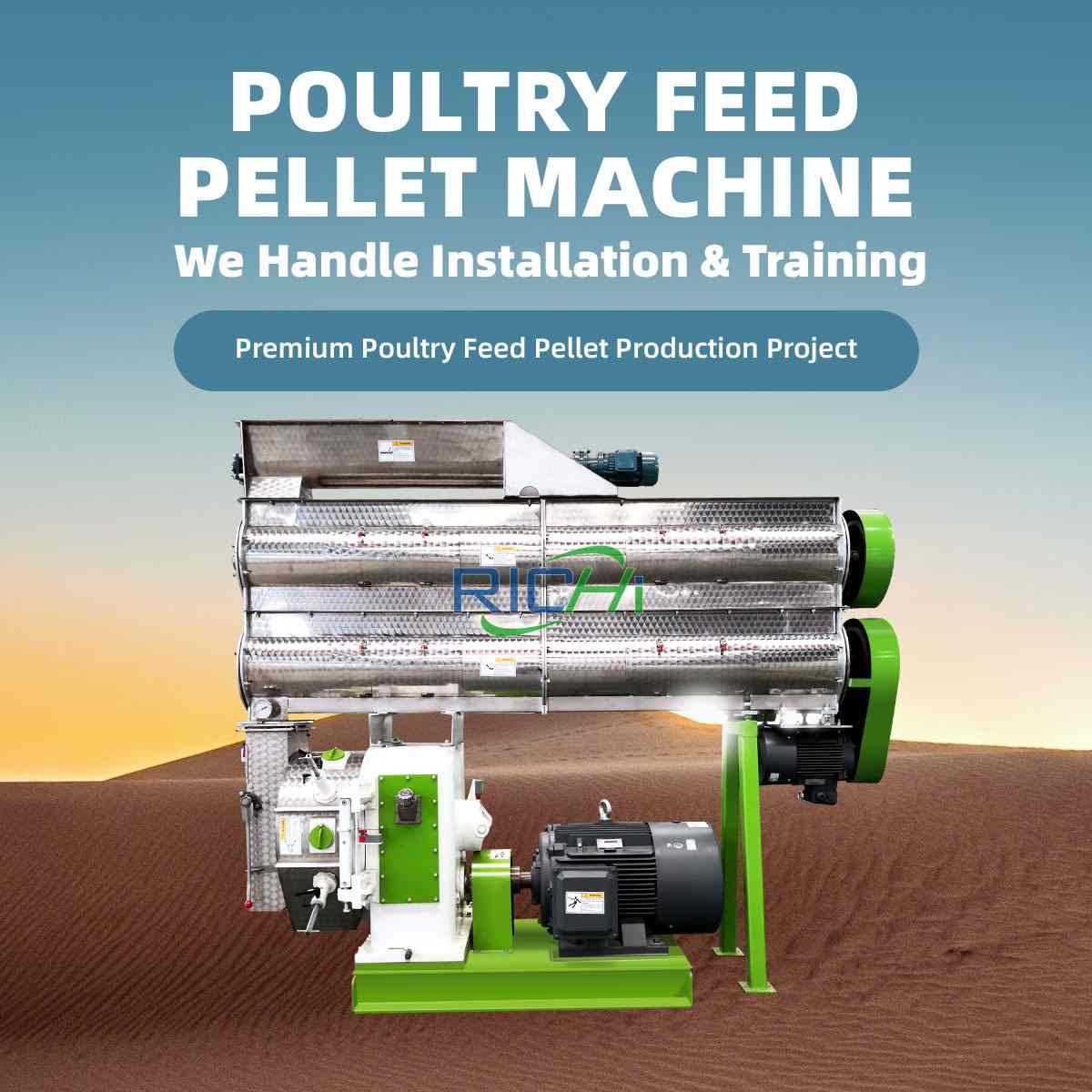
1. Introduction: The Role of Chicken Feed in Poultry Farming
Poultry farming is a crucial sector of global agriculture, providing affordable protein, employment, and economic growth worldwide. Proper nutrition is key to maximizing growth rates, egg production, and overall flock health. A chicken feed pellet mill plays an essential role in producing high-quality, uniform, and nutrient-rich feed pellets that meet the dietary needs of broilers, layers, and breeder chickens.
Traditional feeding methods, which relied on raw grains, leftovers, or unprocessed feed, often resulted in uneven growth and lower productivity. Mechanized pellet production ensures that chickens receive consistent nutrition, reduces feed waste, and supports sustainable and efficient farm operations.
2. Historical and Cultural Context of Poultry Feeding
Chickens have been domesticated for thousands of years, with origins in Southeast Asia. Historically, small-scale poultry farmers relied on foraging, grains, and household scraps to feed their flocks. While sufficient for subsistence farming, these methods often produced inconsistent growth and egg production.
The development of the chicken feed pellet maker represents a significant advancement in poultry husbandry. Pelletized feed allows for precise nutrition delivery, reduces selective feeding, and minimizes waste. In countries with extensive poultry industries, such as the United States, China, and Brazil, mechanized pellet production has become a standard practice, combining modern technology with traditional knowledge to improve efficiency and productivity.
3. Components and Function of a Chicken Feed Pellet Maker
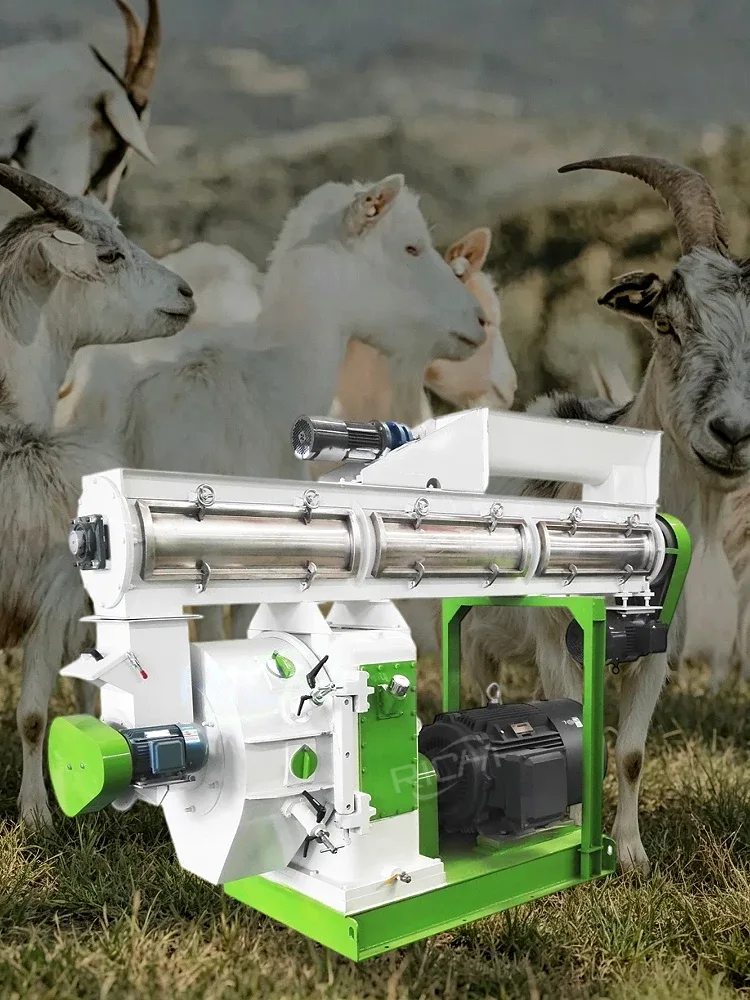
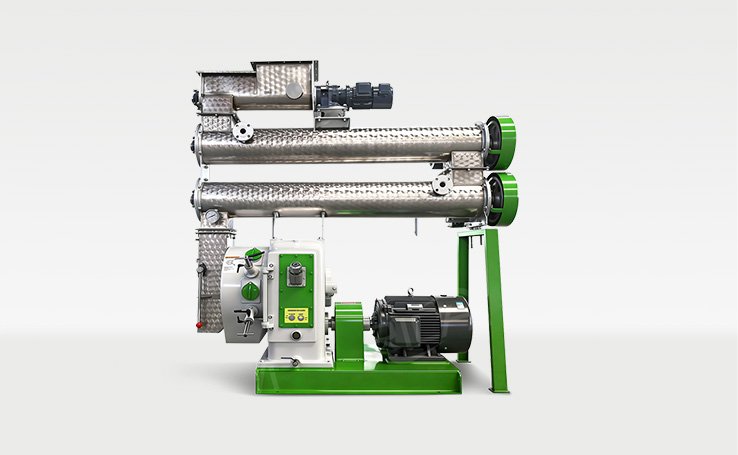
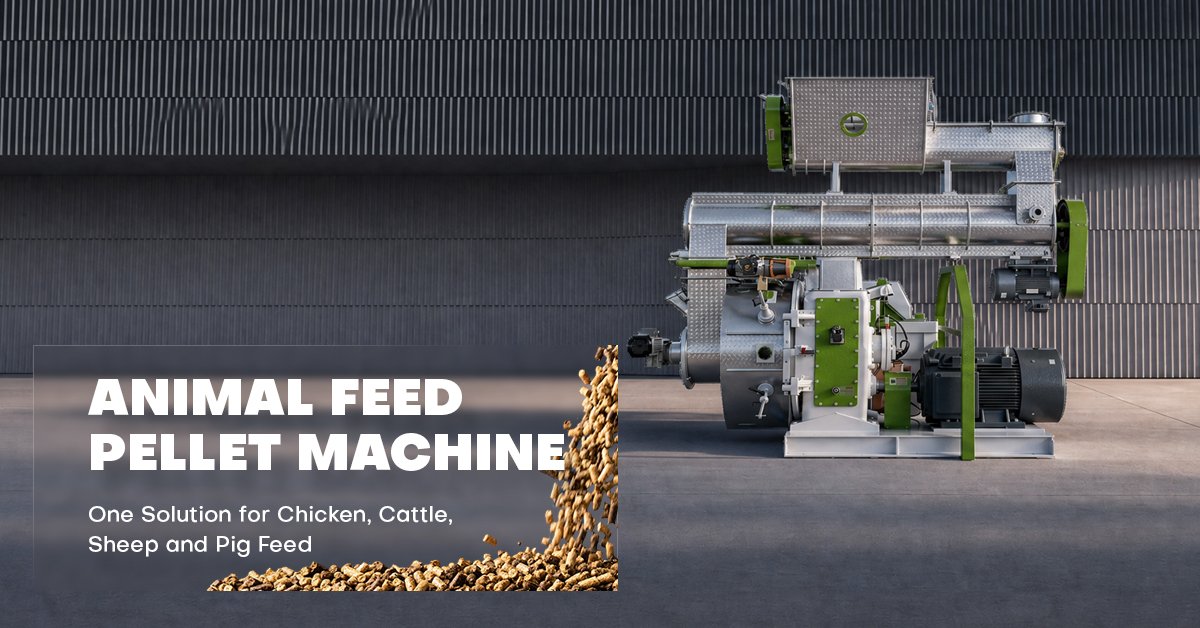
A typical chicken feed pellet maker system includes several essential components designed to produce high-quality feed:
Raw Material Grinder / Hammer Mill: Reduces grains, soybean meal, and other ingredients into fine powder.
Mixer: Ensures uniform blending of protein, vitamins, minerals, and additives.
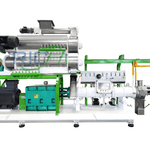
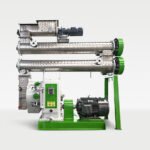
Pellet Mill / Extruder: Compresses the feed mixture into uniform pellets suitable for different chicken breeds and growth stages.
Dryer: Reduces moisture content, prolonging shelf life and preventing spoilage.
Cooling System: Stabilizes pellets and prevents breakage during storage and transport.
Packaging Unit: Prepares feed for storage, distribution, and commercial sale.
Modern chicken feed pellet makers, including those provided by RICHI, often feature automation, adjustable pellet sizes, and energy-efficient designs. These systems are suitable for small farms as well as large commercial poultry operations. https://richipelletizer.com/chicken-feed-making-machine-price/
4. Advantages of Using a Chicken Feed Pellet Maker
Investing in a chicken feed pellet maker offers multiple benefits for poultry farmers:
Balanced Nutrition: Ensures consistent delivery of proteins, vitamins, minerals, and other essential nutrients.
Efficient Feeding: Reduces feed wastage and supports optimal feed conversion ratios.
Uniformity: Automated systems produce pellets of consistent size and nutrient content.
Scalability: Machines can be adapted for small backyard farms or large industrial poultry operations.
These advantages contribute to healthier flocks, improved growth performance, and higher productivity, making mechanized feed production a key factor in profitable poultry farming.
5. Technological and Environmental Considerations
Producing high-quality chicken feed pellets requires precise control of moisture, temperature, and pellet density. Improperly processed feed may crumble, lose nutrients, or be less digestible for chickens.
Modern chicken feed pellet makers, including those from RICHI, integrate advanced extrusion and drying technology with automated monitoring systems. This ensures consistent feed quality, maintains nutrient integrity, and optimizes energy use.
Environmentally, mechanized pellet production reduces feed waste, lowers energy consumption, and allows the use of agricultural by-products, promoting sustainable and eco-friendly poultry farming practices.
6. Economic and Market Significance
Feed expenses account for a large portion of poultry production costs, often representing up to 60–70% of total farm expenditures. Using a chicken feed pellet maker allows farmers to produce feed on-site, lowering costs and reducing dependence on external suppliers.
The global poultry feed market continues to expand due to increasing demand for chicken meat and eggs. Mechanized pellet production enables farms to meet both domestic and international standards, supporting consistent quality and profitability. High-quality feed pellets improve flock growth, reduce disease risk, and enhance market competitiveness for poultry products. View it now
7. Choosing the Right Chicken Feed Pellet Maker
Selecting the right chicken feed pellet maker requires careful consideration:
Capacity: Small-scale machines may produce 0.5–2 tons per hour, while industrial machines can produce 5–20 tons per hour.
Feed Type: Pellets or crumbles suitable for broilers, layers, or breeder chickens.
Automation: Advanced systems reduce labor and improve consistency.
Supplier Reliability: Trusted manufacturers like RICHI Manufacture provide technical support, spare parts, and maintenance guidance.
Choosing an appropriate machine ensures consistent feed quality, operational efficiency, and long-term sustainability of poultry operations.
8. Cultural and Nutritional Importance
Poultry products are a primary source of protein, essential amino acids, and micronutrients in human diets worldwide. A chicken feed pellet maker ensures that chickens receive balanced nutrition, supporting optimal growth, reproductive performance, and overall flock health.
Culturally, poultry farming supports rural livelihoods, creates employment, and strengthens local economies. Mechanized feed pellet production enhances these benefits by improving productivity, reducing labor intensity, and allowing farmers to integrate modern technology while preserving traditional poultry-rearing practices.
9. Conclusion: Investing in Sustainable Poultry Feeding
A chicken feed pellet maker represents a strategic investment in efficient, sustainable, and profitable poultry farming. By producing nutrient-rich, uniform feed pellets, farmers can improve flock health, minimize feed wastage, and increase overall productivity.With reliable equipment from suppliers such as RICHI, poultry operations can scale production, maintain consistent feed quality, and meet the growing global demand for chicken meat and eggs. Modern pellet feed production combines economic efficiency, environmental responsibility, and technological innovation, shaping the future of sustainable poultry farming. Chicken feed production plant in uzbekistan