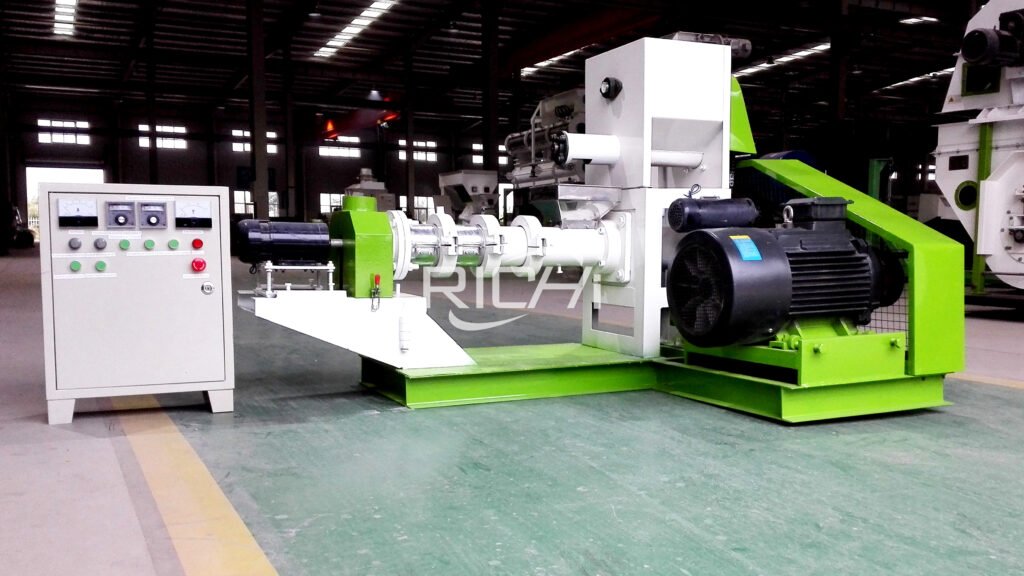
Shrimp Feed Pellet Machine: Linking Preparation and Conditioning to Shrimp Feed Acceptance
Select a shrimp feed pellet machine by defining the buyer’s defined shrimp-pellet integrity and water-related…


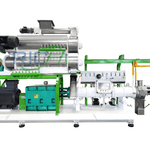
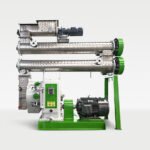
Select a shrimp feed pellet machine by defining the buyer’s defined shrimp-pellet integrity and water-related…
Automation is becoming increasingly relevant as aquaculture feed factories seek better process control and more…
Wood drying quality is an important factor in biomass processing, wood pellet production, briquette manufacturing,…
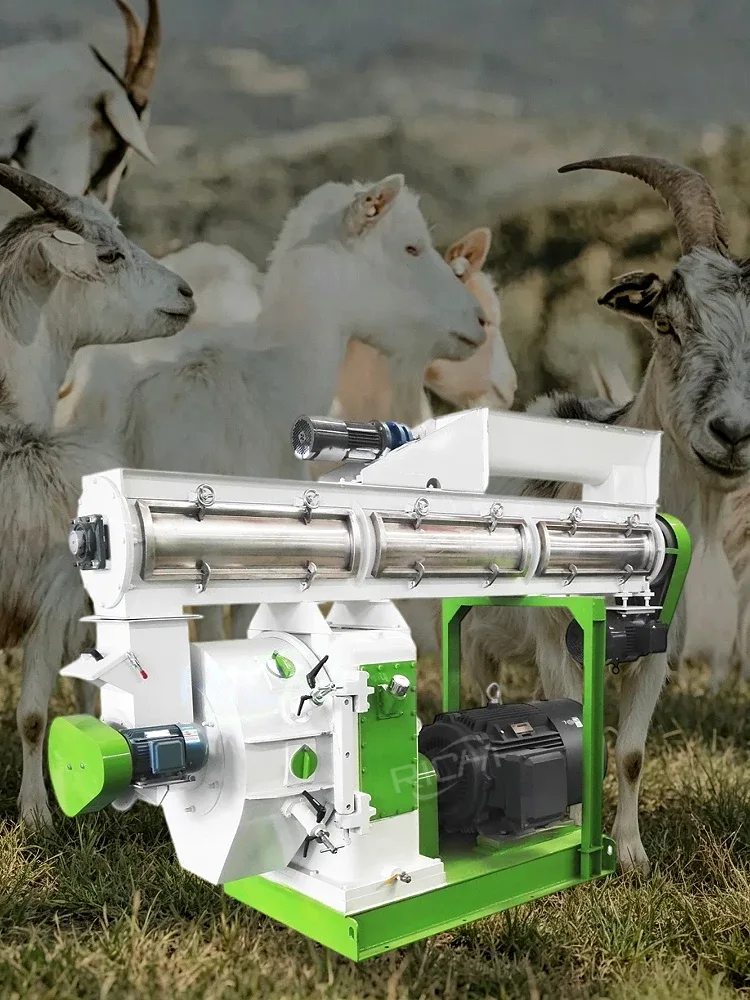
Goat farming has a feeding problem that few people talk about openly. Many farmers buy…
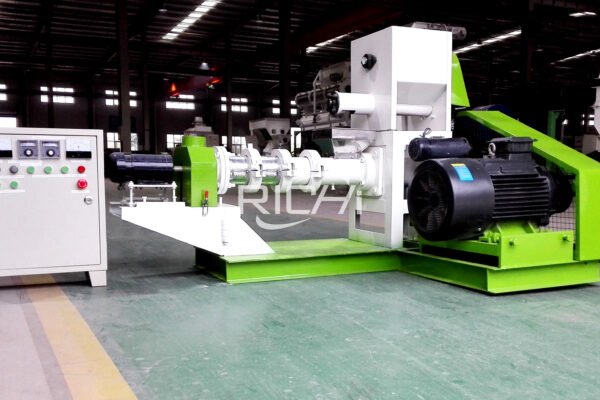
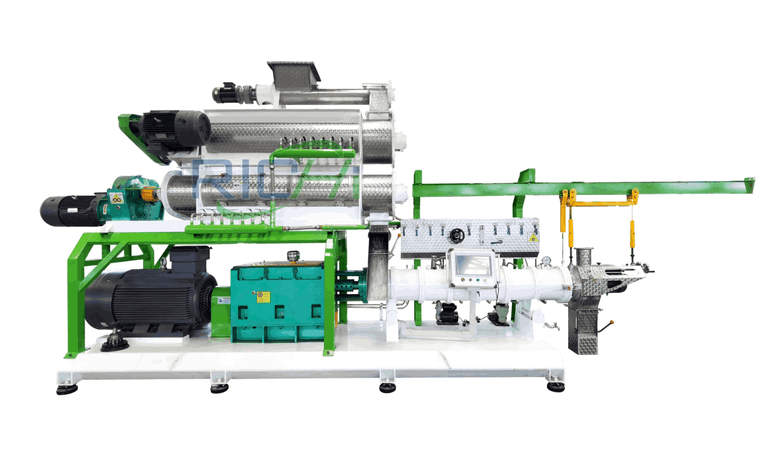
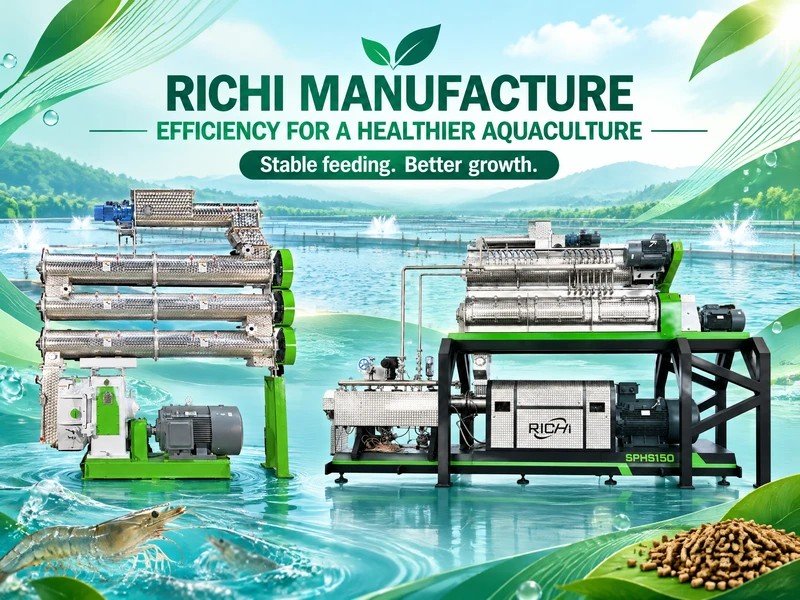
Select a shrimp feed pellet machine by defining the buyer’s defined shrimp-pellet integrity and water-related performance and the actual condition of the intended shrimp-feed ingredients and formulation before comparing equipment offers. The decision should connect raw material, throughput, utilities and operating conditions to measurable acceptance criteria. This guide explains the technical questions a commercial buyer…
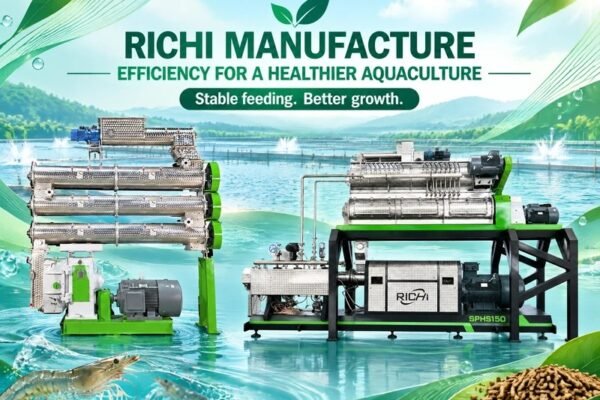
Automation is becoming increasingly relevant as aquaculture feed factories seek better process control and more consistent production. For companies investing in a shrimp feed pellet machine, automation should not be viewed only as an electrical upgrade. It can influence how materials are weighed, transferred, processed, monitored, and packaged throughout the factory. Why Automation Matters Manual…

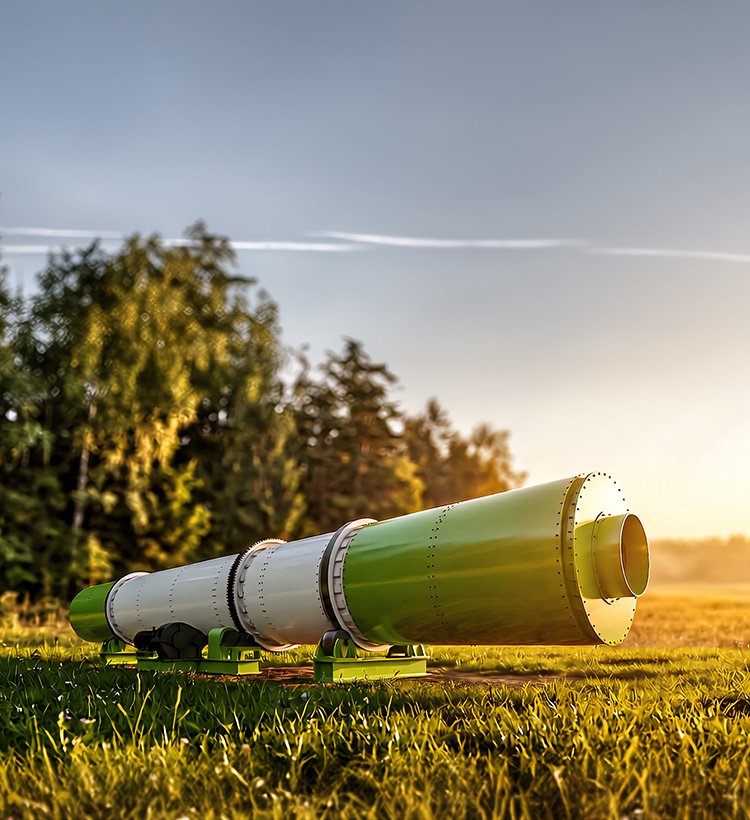
Wood drying quality is an important factor in biomass processing, wood pellet production, briquette manufacturing, and other applications that use wood residues. Sawdust, wood chips, wood shavings, bark, and other wood materials often contain different levels of moisture. If this moisture is not properly controlled, it can affect grinding, pelletizing, fuel quality, storage stability, transportation,…
Goat farming has a feeding problem that few people talk about openly. Many farmers buy whatever commercial feed is available in their area, without knowing exactly what is in it or whether it matches their animals’ needs. The feed may work. It may also be overpriced, poorly balanced, or designed for a different production stage….
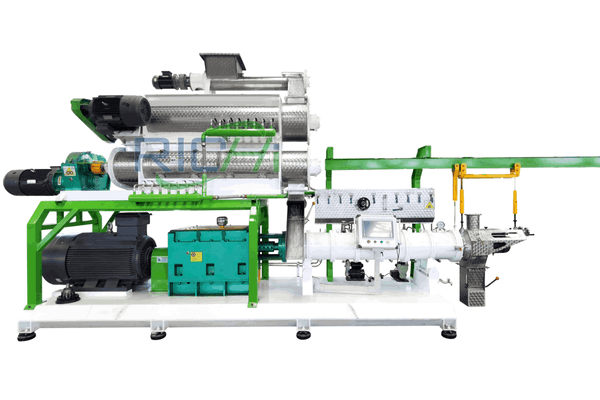
Floating fish feed is widely used in aquaculture because the pellets remain on the water surface for a period of time, allowing farmers to observe feeding activity and adjust the feeding amount. Producing this type of feed requires more than simply forming ingredients into pellets. Raw material preparation, conditioning, extrusion, drying, cooling, and screening all…
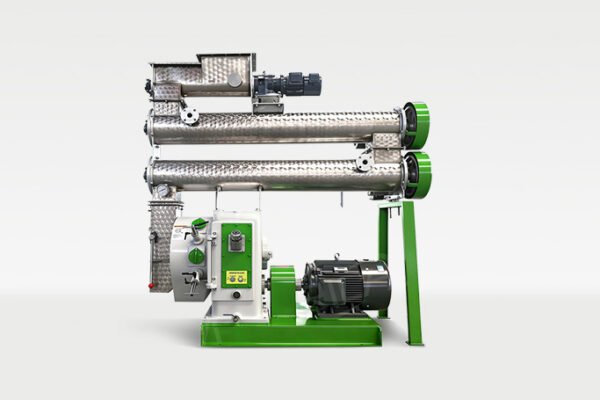
What Should You Know Before Making Cattle Feed Pellets? Cattle feed pellet production may look simple from the outside: prepare the ingredients, compress them into pellets, cool the product, and pack it. In practice, however, producing consistent pellets requires several interconnected processes. The choice of raw materials, particle size, moisture content, feed formulation, pellet diameter,…

Small farms often face a different feed production challenge from large commercial factories. They may have access to their own corn, forage, soybean meal, or other agricultural materials but lack the demand or budget for a large industrial plant. A small animal feed pellet machine can provide a practical way to convert prepared feed mixtures…

You do not need every raw-material contract signed before discussing pellet equipment, but the main raw materials and their realistic operating ranges should be defined before final equipment selection. Pellet production equipment is chosen around physical properties such as moisture, particle size, bulk density, fiber structure, formulation, contamination, and seasonal variation. If those inputs change…
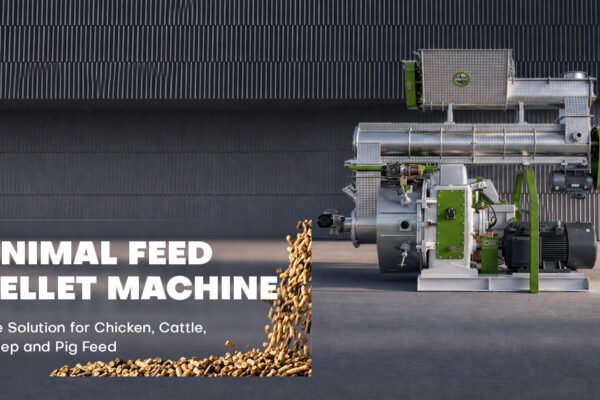
Feed represents the single largest expense in cattle operations. For a feedlot, it’s often 60% to 70% of total production costs. For a dairy, the numbers are similar. Every dollar saved on feed goes directly to the bottom line. So when producers start looking at on-site feed production, the first question is usually about the…

Bigger equipment often looks impressive. A large production line promises higher output, more automation, and greater industrial capability. But for a new biomass business, maximum capacity is not necessarily the same as maximum profitability. This is particularly true for bamboo pellet projects. A small bamboo processor may have access to abundant raw materials, but that…