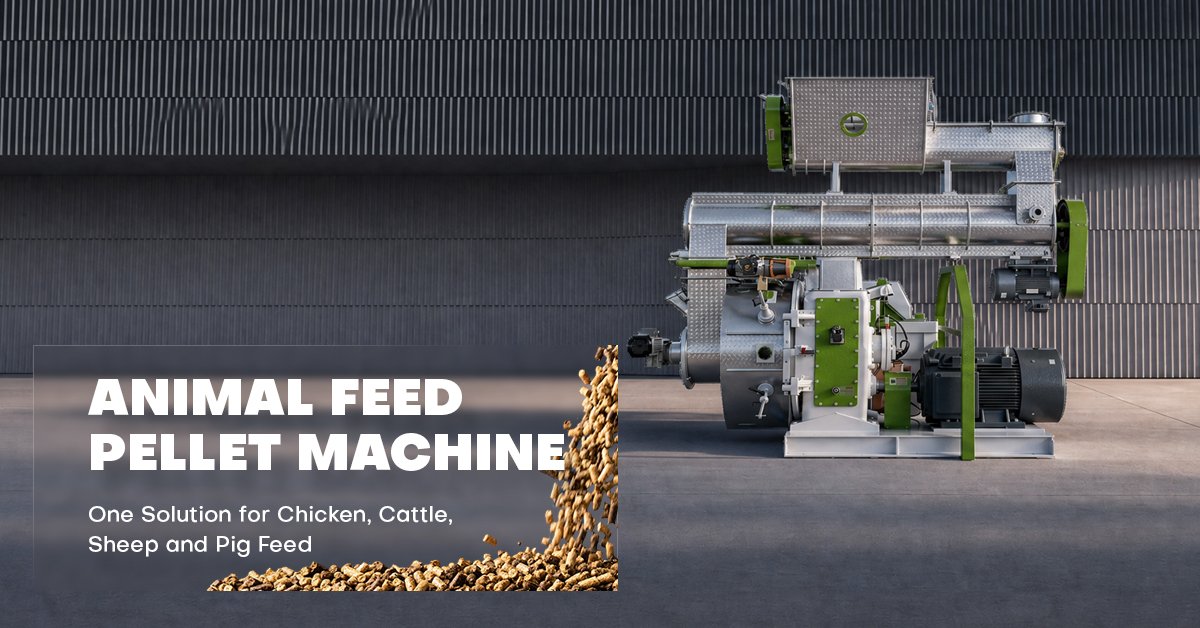

Poultry Feed Pellet Machine Enhance Farming Productivity Efficiently

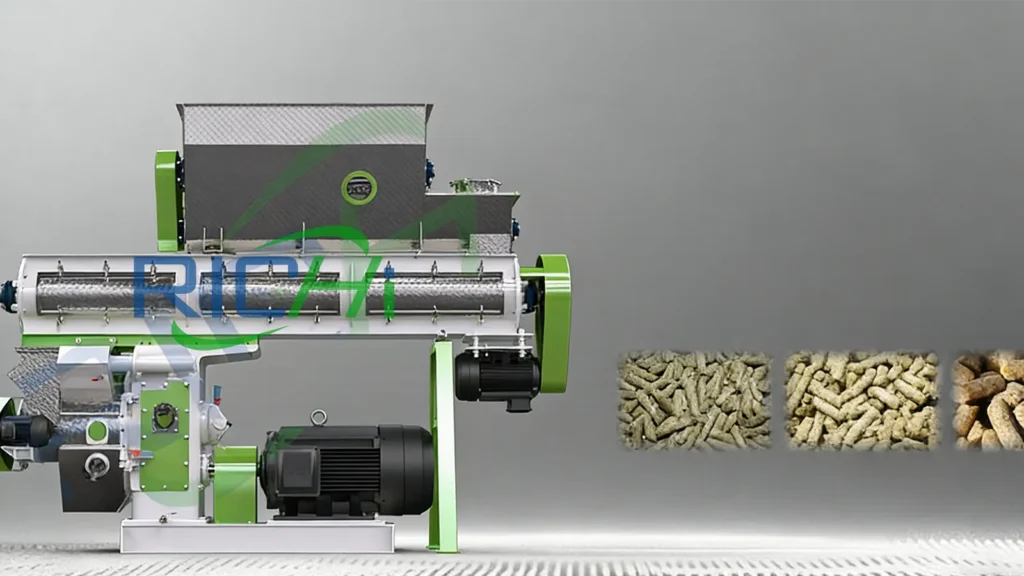
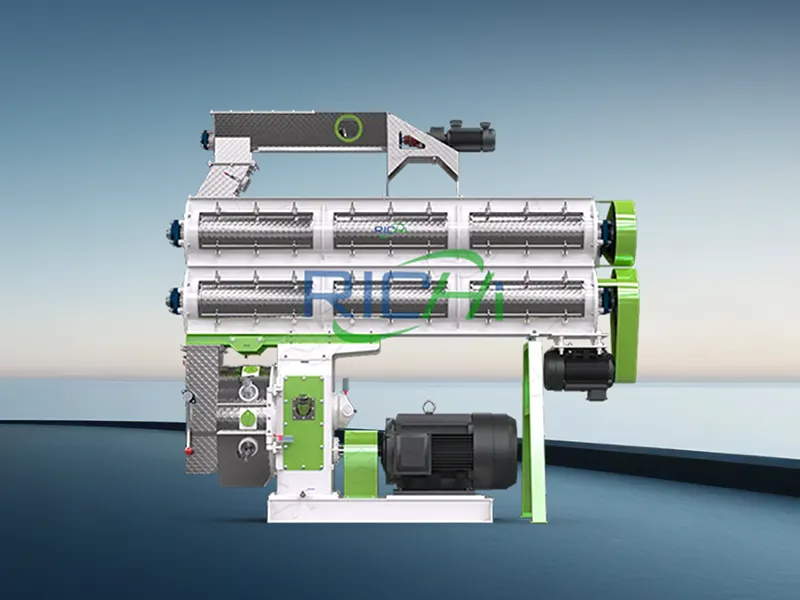
Features and images of poultry feed pellet machines

The global poultry farming industry is developing rapidly, and the demand for high-quality, efficient feed processing equipment is increasingly prominent. The poultry feed pellet machine, as a core device for producing feed for chickens, ducks, geese and other poultry, plays a decisive role in improving feed palatability, reducing wastage, and promoting healthy growth of poultry. Beyond poultry feed production, the diversification of the farming industry also requires specialized feed pellet machines for other animals and integrated animal feed production lines. Choosing the right equipment combination is essential for realizing standardized and cost-effective farming operations.

Core Advantages and Working Principle of Poultry Feed Pellet Machine

Poultry have unique digestive characteristics and require feed with fine particle size, high nutritional density, and good hardness. The poultry feed pellet machine is customized to meet these needs, with obvious advantages and scientific working principles.

  • Key Advantages: It can process raw materials such as corn, soybean meal, and fish meal into uniform granular feed (2-4mm), which improves feed intake by 10%-15% compared with powdery feed. The high-temperature extrusion process (around 70-80°C) can kill pathogenic bacteria and mold, ensuring feed safety. Granular feed also reduces dust pollution in the breeding environment and is convenient for storage and transportation. Additionally, it can add vitamins, minerals, and other additives accurately to ensure balanced nutrition for poultry.
  • Working Principle: The crushed and mixed powdery raw materials are conveyed to the pelletizing chamber by the feeder. Under the high-speed rotation and extrusion of the pressure roller and die, the materials are compressed and formed through the die holes. The friction between materials and equipment generates heat, which promotes starch gelatinization and makes the pellets more firm. Finally, the cutter cuts the pellets into the required length, completing the production process.

Specialized Feed Pellet Machines for Other Animal Species

In addition to poultry feed pellet machines, different animal species have specific feed requirements, leading to the development of various specialized equipment:

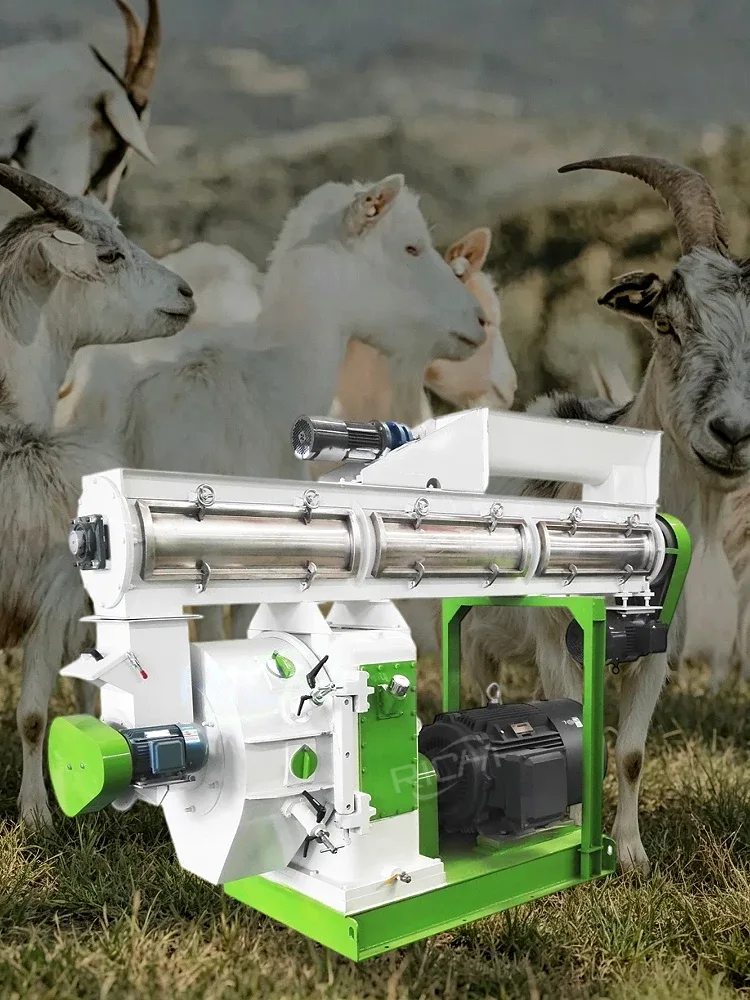
  • Cattle Feed Pellet Machine: Designed for ruminants such as cattle and sheep, it has strong extrusion capacity to process high-fiber raw materials like straw and hay into granular feed. The pellet size is 4-6mm, which improves the digestibility of roughage and enhances feed utilization.
  • Swine Feed Pellet Machine: Adjustable to meet the needs of different growth stages of pigs. The pellet size can be adjusted between 1.5-4mm; for suckling piglets, fine particles are produced to improve digestibility, while for fattening pigs, harder pellets are made to increase satiety. It can also process by-products such as bran and oil cakes to reduce feeding costs.For more details, please see:https://pelletmakingmachine.com/pig-feed-pellet-machine/
  • Aquatic Feed Pellet Machine: Specialized in producing floating, sinking, or slow-sinking feed for fish, shrimp, and crabs. It adopts low-temperature pelleting technology to avoid nutrient loss and uses special binders to ensure good water stability (remaining intact for 3-8 hours). Floating feed is convenient for observing poultry feeding conditions and reducing water pollution.

Integrated Feed Production Line Matching Poultry Feed Pellet Machine

For large-scale poultry farms and commercial feed factories, a single poultry feed pellet machine cannot meet the demand for large-volume and continuous production. An integrated feed production line matching the poultry feed pellet machine can realize automated operation and improve production efficiency.

A complete animal feed production line includes raw material cleaning equipment, crushing equipment, mixing equipment, poultry feed pellet mill, cooling and screening equipment, and packaging equipment. The cleaning equipment removes impurities from raw materials; the crushing equipment crushes bulk raw materials into fine particles; the mixing equipment uniformly mixes various raw materials according to the formula; after pelleting, the cooling equipment cools high-temperature pellets to room temperature to prevent mildew; the screening equipment removes unqualified pellets; finally, the packaging equipment completes automatic weighing and packaging. Large-scale production lines can also be equipped with automated batching systems and dust removal equipment to further improve production precision and meet environmental protection standards.

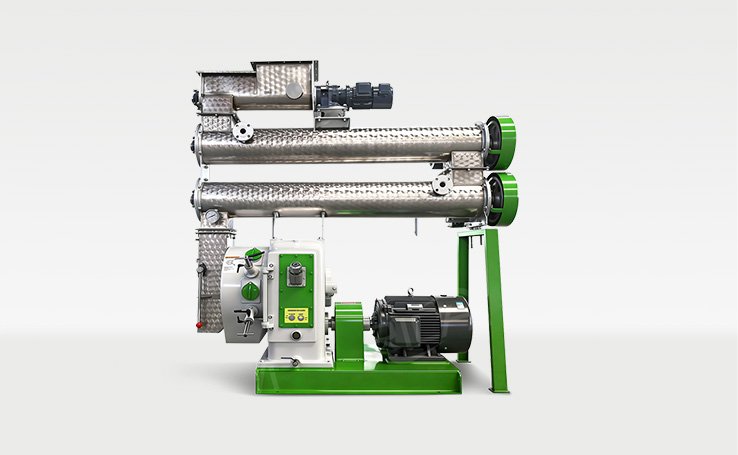
5-6 TPH poultry feed pellet machine

RICHI: Trusted Supplier of Poultry Feed Processing Equipment

When selecting poultry feed pellet machines and matching production lines, choosing a reliable brand is crucial. RICHI, a professional manufacturer of feed machinery with decades of experience, has won wide recognition from global users for its high-quality products and thoughtful services.

RICHI’s poultry feed pellet machine adopts high-wear-resistant alloy dies and pressure rollers, which have a service life of more than 50,000 hours. The equipment has a compact structure and modular design, making maintenance and replacement of parts easy. It can also be customized according to the user’s production scale and feed formula. In addition, RICHI provides integrated feed production line solutions, covering all links from raw material processing to finished product packaging, and offers one-stop services such as pre-sales consulting, installation and commissioning, and after-sales maintenance. (click to read)

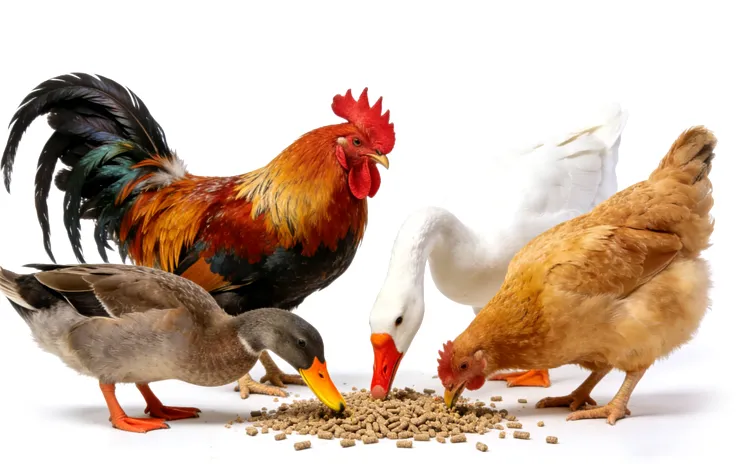
Poultry such as chickens, ducks, and geese

Key Considerations for Choosing Poultry Feed Pellet Machine and Production Line

To select the most suitable poultry feed pellet machine and production line, the following factors should be considered:

  • Production Scale: Small-scale farms can choose a single poultry feed pellet machine with a capacity of 0.5-2 tons per hour. Large-scale feed factories or farms should select integrated production lines with a capacity of 5 tons per hour or more to meet mass production needs.
  • Feed Formula and Raw Material: According to the main raw materials (such as high-protein, high-fiber) and pellet size requirements, select equipment with corresponding die specifications and extrusion capacity.
  • Automation Level: Evaluate the automation level based on labor resources and management capabilities. Fully automated a complate animal feed production lines reduce manual operation but have higher investment; semi-automated equipment is more suitable for small-scale operations with limited budgets.
  • Equipment Quality and After-Sales Service: Prioritize equipment with high-quality core components to reduce later maintenance costs. Choose manufacturers that provide timely after-sales services, including technical support and spare parts supply, to ensure uninterrupted production.

Conclusion: Choose the Right Poultry Feed Pellet Machine for Efficient Farming

The poultry feed pellet machine is an essential equipment for modern intensive poultry farming. Matching it with specialized feed pellet machines for other animals and integrated production lines can significantly improve feed quality and farming efficiency.

By considering production scale, feed formula, automation level and other factors, and cooperating with a trusted brand like RICHI, you can obtain high-performance equipment and professional solutions. This will help reduce farming costs, improve poultry growth performance, and achieve sustainable and profitable development in the competitive poultry farming industry.