


Direct answer: you can inspect a pellet mill factory remotely before traveling to China by running a controlled live-video audit, not by accepting edited promotional footage. Verify the legal entity and address first; then require an uninterrupted route from the exterior sign and reception through machining, welding, assembly, testing, warehouse, quality records, and a randomly selected machine nameplate. Collect time-stamped evidence, ask operators to perform live actions, and reconcile what you see with the quotation and company documents.

Decide what the remote inspection must prove
A remote visit cannot prove everything. It can establish whether a working facility exists at the stated location, whether relevant production equipment and staff are present, whether machines appear to move through a controlled process, and whether records align with the offered products. It cannot independently prove factory ownership, annual output, financial stability, every certificate, or long-term product performance.
Write five to ten audit objectives before scheduling. For example: confirm the supplier manufactures pellet mill frames and assemblies; inspect machining capability for critical components; verify panel assembly and testing; check traceability from order to nameplate; review quality-control records; and determine whether the proposed model is in current production. This keeps the video focused.
Verify identity before opening the camera
Request the legal company name in Chinese and English, registration number, business license, registered address, factory address, bank beneficiary, quotation entity, website operator, and certificate holder. Translate and compare the business scope. Differences are not automatically fraud—a group may use several entities—but the relationship must be documented.
Use official corporate registries or a qualified local due-diligence provider where appropriate. Ask for a map pin and factory gate photograph. Confirm that the video-call host’s email domain and job title align with the company. Do not send a deposit solely because the sales contact can show a workshop.
Design an unbroken video route
Ask the host to start outside, show the street or industrial park, factory sign, gate, and current surroundings, then enter without stopping the stream. The route should continue through offices only briefly and spend most time in production. Avoid a call made entirely from a conference room followed by separate clips.
Provide the route shortly before the call rather than days in advance. Include machining, cutting, welding, surface preparation, assembly, electrical panels, test area, raw and finished parts, warehouse, packing, and loading. If a process is performed elsewhere, identify the subcontractor and request a separate verification.
Use a live challenge-response protocol
Pre-recorded video can be reused. Live actions reduce that risk. Ask the host to write the date and a random code on paper and place it next to a selected machine. Request a continuous pan from the code to the nameplate and surrounding bay. Ask the operator to show a current production order, with confidential customer information covered, and match the model to work in progress.
Select details during the call: a particular motor nameplate, a gearbox label, a die measurement, a welding station, a calibrated instrument, or a random crate. The supplier should not know every selection in advance. Never ask anyone to defeat guards, enter hazardous zones, or operate equipment unsafely for the camera.
Inspect machining and fabrication capability
Look for machines appropriate to the claimed work, material identification, drawings or travelers, fixtures, in-process inspection, consumable control, and organized movement. A workshop full of equipment is not enough. Ask what parts are made there, what tolerances are critical, how instruments are calibrated, and what happens when a measurement is outside tolerance.
For welding, ask about approved procedures, welder qualification where relevant, material preparation, distortion control, inspection, and repair records. For machined pellet-mill parts, ask how dimensions, surface, fit, and traceability are checked. The goal is to see a process linked to records, not to judge aesthetics from video resolution.
Follow one machine through the evidence chain
Choose a work-in-progress or completed machine. Record its temporary job number or serial number. Ask for the associated drawing revision, parts list, inspection record, motor and gearbox data, assembly checklist, test sheet, nameplate, packing list draft, and customer order reference with sensitive details removed. Dates and model descriptions should be plausible and consistent.
This chain is more persuasive than dozens of unrelated photographs. It shows whether the factory can connect engineering, material, assembly, testing, and shipment. If the supplier refuses all records for confidentiality, propose a redacted review or third-party audit rather than accepting no evidence.
Review electrical and test practices
Ask to see panel assembly, wire labels, component storage, schematics, terminal checks, insulation or continuity testing as applicable, software version control, and powered functional testing. Confirm whether panels are built in-house or sourced. If the destination requires a particular approval route, inspect evidence for the actual components and panel—not a general certificate.
For mechanical testing, distinguish no-load rotation, functional testing, and material performance testing. A machine turning in the factory does not prove capacity. Ask what is measured, how instruments are calibrated, and which acceptance criteria apply before release.
Interpret the supplied factory image carefully
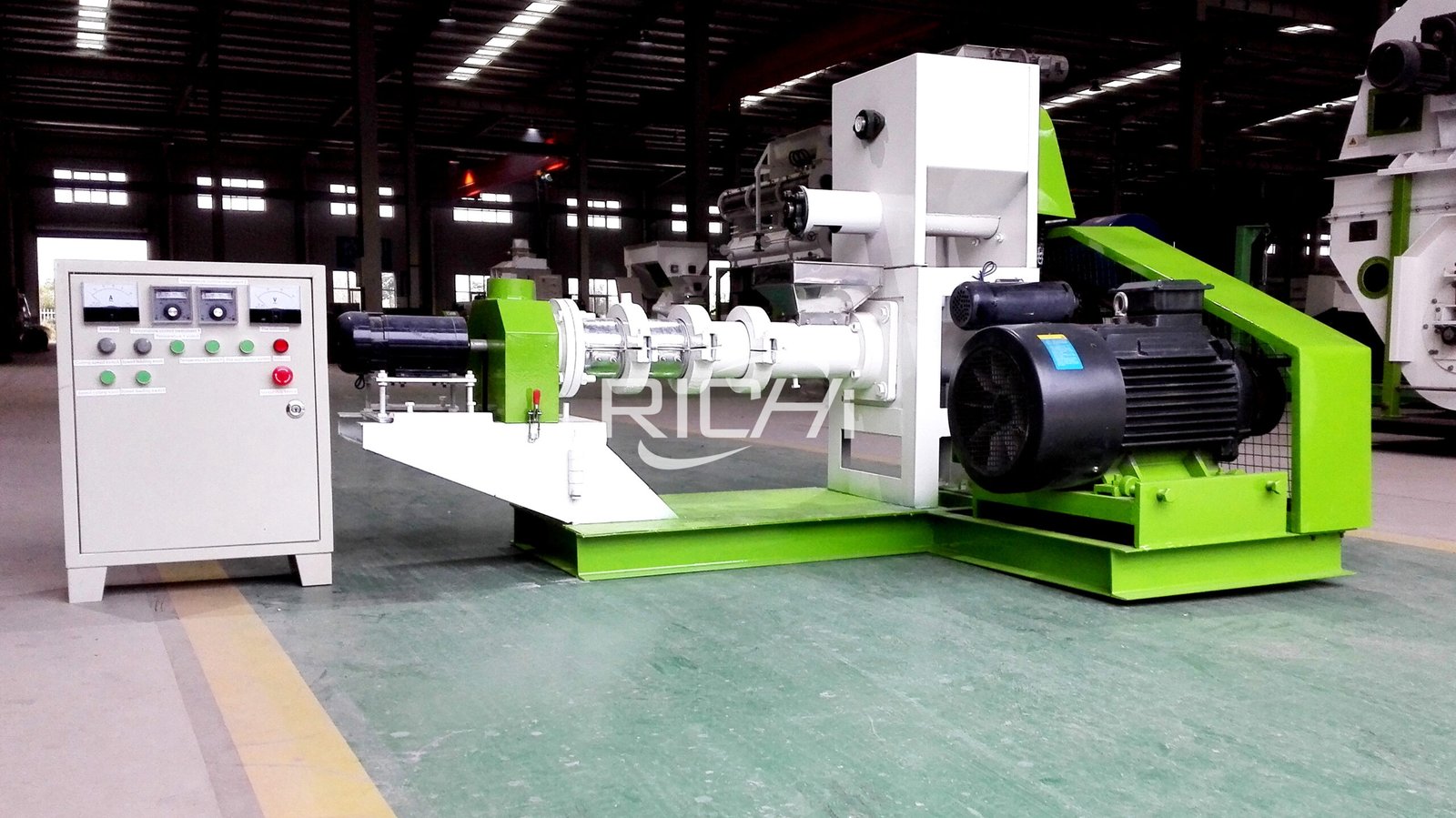
The image shows a large, organized industrial hall with pellet-related equipment, motors, parts, cranes, production zones, and staff. The same file is supplied for several articles in this batch. It can illustrate the type of wide factory overview a remote auditor should request. It does not, by itself, prove the photographed company’s legal ownership, the date, production volume, project authenticity, environmental compliance, or quality results.
During a live call, ask the host to reproduce a similar viewpoint, then move continuously to randomly selected details. That converts a static marketing image into a testable location and process.
Score remote evidence by strength
- Strong: continuous live video, random selections, matching records, verifiable identities, and independent confirmation.
- Moderate: live video with limited records or preselected areas.
- Weak: edited video, undated photos, generic certificates, and unverifiable customer lists.
- Red flag: refusal of live video, inconsistent company names, repeated third-party images, no machine nameplates, or pressure for payment before verification.
Prepare a two-person audit team
One person asks questions and directs the route; the second records timestamps, evidence, unanswered items, and contradictions. Use a checklist but allow follow-up. Obtain permission before recording the call. If recording is not permitted, request dated screenshots or documents and write contemporaneous notes.
A bilingual technical interpreter can be more valuable than a general translator. Technical terms for dies, tolerances, controls, testing, and maintenance need accurate translation. Send critical questions in writing afterward and require written answers.
Use an independent follow-up
Remote inspection reduces travel cost but should not carry the entire purchase decision for a large order. Commission a local third-party factory audit, legal-entity verification, or pre-shipment inspection when risk justifies it. Define the auditor’s scope yourself; do not rely only on a supplier-selected certificate.
For a high-value project, make the remote audit a gate before travel. Resolve identity and capability questions first, then use the physical visit for detailed engineering, sample testing, commercial negotiation, and relationship assessment.
Remote factory inspection checklist
- Legal entity, quotation, bank, factory, and certificate names reconciled.
- Unbroken exterior-to-production route.
- Live date code and random machine or crate selection.
- Machining, welding, assembly, panels, testing, warehouse, and packing shown.
- One serial-number evidence chain reviewed.
- Model-specific drawings and test records sampled.
- Subcontracted processes identified.
- Unanswered items assigned deadlines.
- Independent verification planned before material payment.
A ninety-minute remote audit agenda
Use the first ten minutes for identity and safety. Spend fifteen minutes on the exterior-to-workshop route, twenty on machining and fabrication, fifteen on assembly and electrical work, fifteen on inspection and testing, ten on warehouse and packing, and five on open items. Avoid a long corporate presentation; request it separately so live time remains evidence-focused.
At each stop, capture the location, process owner, work order, equipment, measurement, and resulting record. Ask one “show me” question for every verbal answer. If the host says dies are inspected, ask to see the instrument, calibration label, current job, acceptance value, and record. This pattern turns the call from a tour into an audit.
Convert findings into purchase gates
Classify findings as disqualifier, major gap, minor gap, or observation. A contradictory legal entity, unverifiable factory address, or reused third-party workshop can be a disqualifier. Missing model-specific test evidence may be a major gap. An incomplete label translation may be a correctable minor gap. Give every accepted gap an owner and deadline.
Do not release the next payment merely because the call occurred. Tie it to closure of defined evidence: verified entity, approved technical scope, acceptable audit, model drawings, and an agreed factory-test plan. For large orders, use independent legal and technical review appropriate to the risk and contract jurisdiction.
Preserve an auditable evidence index
Name files by date, source, factory area, machine, and evidence type. Keep the original resolution and record who supplied each item. Maintain a table connecting every procurement claim to a document, live timestamp, independent source, or unresolved status. This prevents attractive factory images from becoming detached from what they actually show.
Final decision
A successful remote inspection does not prove that the supplier is perfect. It proves that the company can produce a coherent, live, document-linked evidence chain for the facility and equipment it claims. RICHI or any other Chinese pellet mill supplier should be evaluated with the same protocol.
Travel only after the identity, location, core manufacturing processes, test capability, and proposal scope are reasonably verified. The visit can then answer higher-value questions instead of discovering basic inconsistencies after an international trip.