Feed represents the single largest expense in cattle operations. For a feedlot, it’s often 60% to 70% of total production costs. For a dairy, the numbers are similar. Every dollar saved on feed goes directly to the bottom line. So when producers start looking at on-site feed production, the first question is usually about the cost of the equipment. And that’s a fair question.
But the price tag on a machine is not the whole story. The real cost of producing your own cattle feed includes the capital investment, the operating costs, the maintenance, and the value of the feed quality you can achieve. A machine that costs less upfront might cost more over its lifetime. A machine that costs more might deliver better quality and lower operating costs.
The answer to the question depends on your operation—the size of your herd, the feed volume you need, the ingredients you’ll use, and the quality you expect. The decision to produce feed on-site is a long-term commitment, and the economics need to be evaluated over the life of the equipment.
The Price Range
The cattle feed pellet machine price varies widely depending on capacity, configuration, and manufacturer. A small machine suitable for a herd of 50 to 100 head might be in the range of $5,000 to $15,000. These machines produce a few hundred kilograms per hour and run on standard electrical supply. They’re suitable for smaller operations that want to process their own grain and supplement rations.
Mid-range machines for operations with 200 to 500 head typically cost between $15,000 and $40,000. These machines produce 500 to 1,500 kilograms per hour. They include more robust construction, larger dies, and more powerful motors.
Large machines for commercial feedlots or dairies with thousands of head can cost $40,000 to $100,000 or more. These machines produce several tons per hour and are built for continuous operation. They include heavy-duty components, advanced control systems, and integrated conditioning.
The price also varies by manufacturer. Some manufacturers offer lower prices but may have limited support or lower quality components. Others charge more but provide better durability, reliability, and after-sales service.
Beyond the Initial Price
The price of the machine is just the starting point. The total cost of ownership includes installation, training, electricity, labor, maintenance, and replacement parts.
Installation can be a significant cost, especially for larger machines. The equipment must be properly sited, connected to power, and tested. Some manufacturers include installation in the price; others charge separately.
Training is important for operators. A poorly operated machine produces poor quality pellets and wears out faster. Manufacturers who provide training help operators get the most from the equipment.
Electricity is a recurring cost. A machine that’s more efficient consumes less power per ton of feed produced. The efficiency of the motor and the design of the machine affect the energy consumption.
Labor is another recurring cost. A machine with automation requires less operator time. A manual machine requires more attention. The cost of labor varies by location and the availability of skilled operators.
Maintenance is a predictable cost. The die and rollers are wear items that need replacement periodically. Bearings and seals need inspection and replacement. A machine that’s easier to maintain has lower labor costs for maintenance.
The Value of Quality
The quality of the feed you produce affects the performance of your cattle. Consistent pellets reduce waste, improve intake, and support better feed conversion. The value of that quality improvement can be greater than the equipment cost.
Cattle that eat consistent pellets waste less feed. Pellets reduce sorting, so the animal consumes the full ration. The feed conversion ratio improves because the nutrition is delivered consistently.
Cattle that eat quality pellets gain more evenly. The variation in growth decreases. The uniformity at finishing or marketing improves.
The value of improved feed conversion is real. A 5% improvement in feed conversion for a 500-head feedlot can save 25 tons of feed over a finishing period. At current feed prices, that’s a significant saving.
Industrial-Scale Options
For larger operations, the scale of equipment changes. An industrial feed pellet machine for sale is designed for continuous, high-volume production. These machines are built for commercial feedlots, dairies with thousands of head, or for producers who sell feed to other operations.
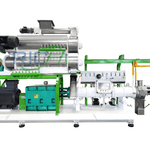
The industrial feed pellet machine for sale typically has a capacity of several tons per hour. The die and rollers are larger and more durable. The motor is more powerful. The control system is more sophisticated. The machine is built for 24/7 operation.
The price of an industrial machine is higher, but the cost per ton of feed is lower. The efficiency gains from scale make the investment attractive for larger operations.
The selection of an industrial machine should be based on the feed volume required and the growth plan for the operation. A machine that’s too small will need to run constantly. A machine that’s too large will have unnecessary capital cost.
The Components
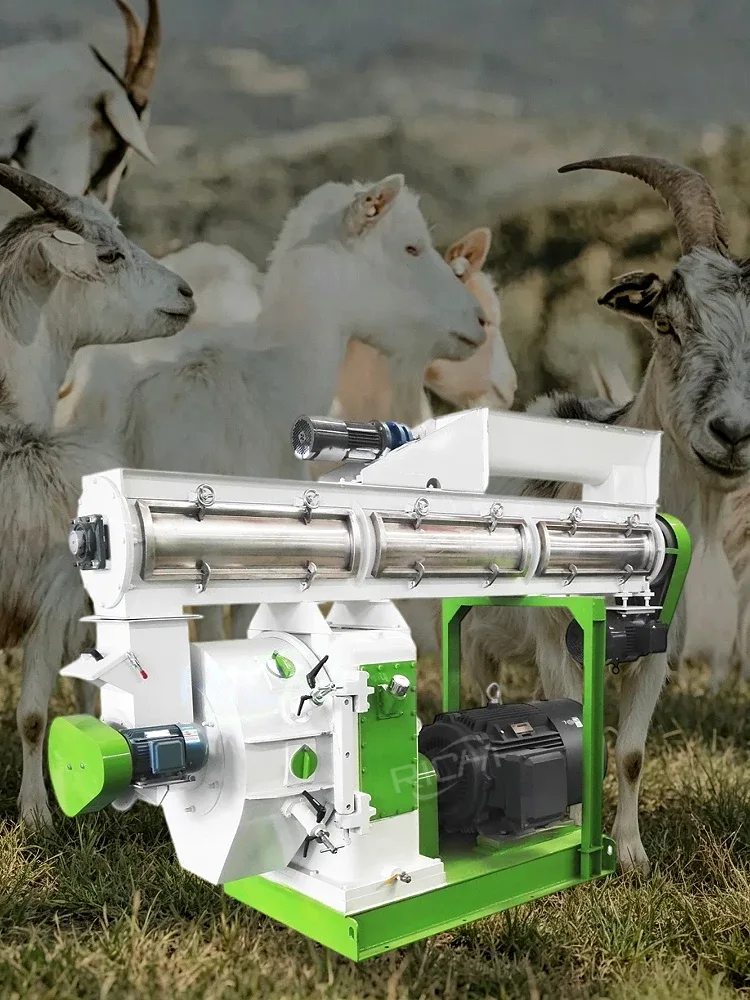
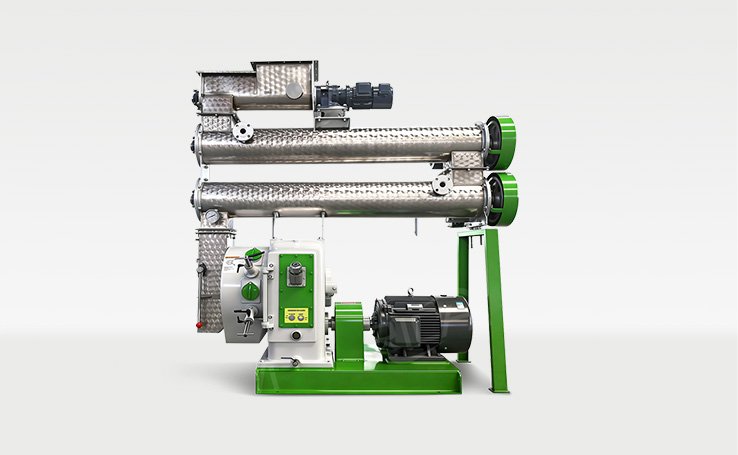
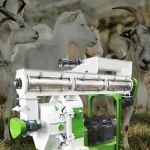
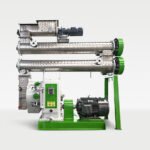
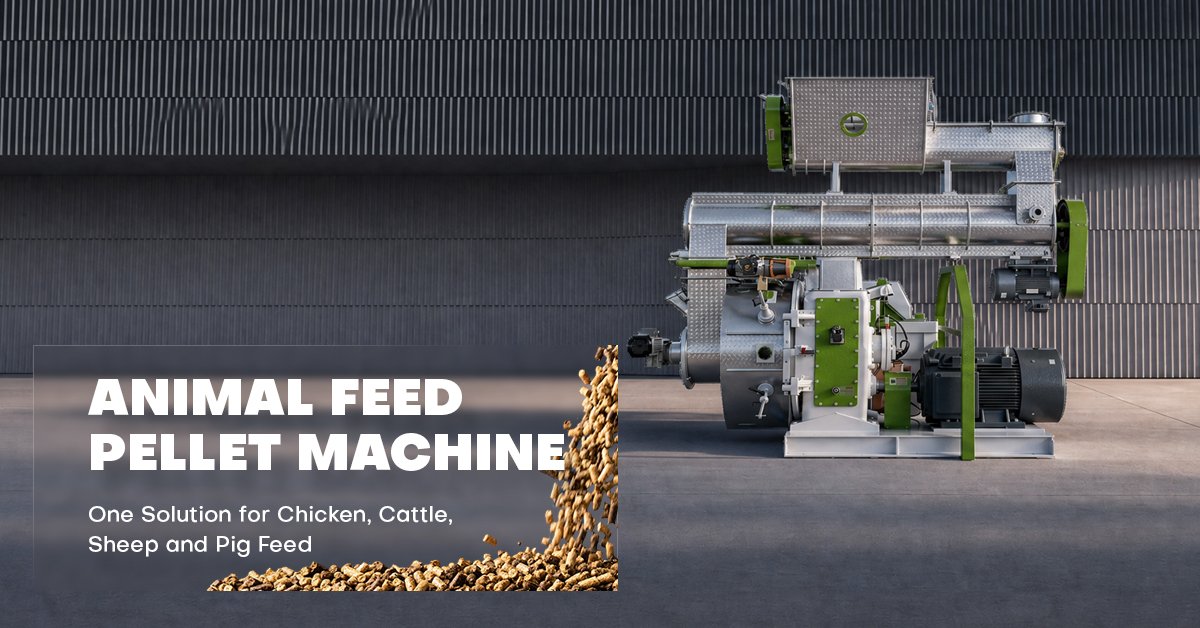
A pellet making machine for cattle feed includes several components. The die is the key part—a metal ring with precision-drilled holes. The material is forced through the holes by rollers. The die must be made from wear-resistant alloy to withstand the abrasive nature of the feed.
The rollers press the material against the die. The gap between the rollers and the die must be precisely set. The bearings must be sealed against contamination from the feed particles.
The motor provides the power for the compression. The motor must be sized for the load and the production capacity. A motor that’s too small struggles to maintain production. A motor that’s too large wastes energy.
The control system manages the operation. A basic system may be manual. A more advanced system includes automation that monitors and adjusts parameters.
The Operating Costs
The operating costs of a pellet making machine include electricity, labor, and maintenance. These costs vary with the capacity and design of the machine.
Electricity is the largest operating cost. The motor consumes power during compression. The efficiency of the motor and the design of the machine affect the energy consumption per ton of feed.
Labor is the second largest cost. The operator must manage the feed rate, monitor the process, and maintain the equipment. The labor requirement is lower with automation.
Maintenance costs include replacement of the die and rollers. These components wear over time and need periodic replacement. The cost of replacement depends on the material and the frequency of replacement.
The Payback
The payback period for a cattle feed pellet machine depends on the volume of feed produced and the savings compared to purchased feed. For a typical operation, the payback period is two to three years.
The savings come from the difference between the cost of ingredients and the cost of purchased feed. The ingredients cost less than the finished feed. The savings per ton are typically 15% to 25%.
The savings also come from the improved feed quality. Pellets reduce waste and improve feed conversion. The value of improved performance adds to the return.
For more detailed information on equipment specifications and pricing, my website provides comprehensive resources on cattle feed pellet machines.
The Decision
The decision to invest in a cattle feed pellet machine is a significant one. The price is only the starting point. The total cost of ownership, the value of quality improvement, and the operating costs all factor into the calculation.
For operations with consistent feed volume, the investment can be attractive. The savings from reduced feed costs and improved performance can pay for the equipment within a reasonable period.
The equipment is available at different scales. The choice depends on the herd size, the feed volume, and the growth plans. The manufacturer’s support and the availability of parts affect the long-term value.
The price is one factor. The value is another. And for many operations, the value of producing your own feed outweighs the cost.