


Introduction: Turning Crop Waste Into a Valuable Resource
Agricultural production generates millions of tons of crop residues every year. Materials such as rice straw, corn stalks, wheat straw, and other plant wastes are often left unused or burned after harvesting. While these residues were traditionally considered a disposal challenge, modern biomass processing technology has changed the way industries view agricultural waste.
Today, crop residues are becoming valuable resources for renewable energy production, animal bedding, and industrial applications. Through advanced pelletizing technology, loose biomass materials can be compressed into high-density pellets that are easier to store, transport, and utilize.
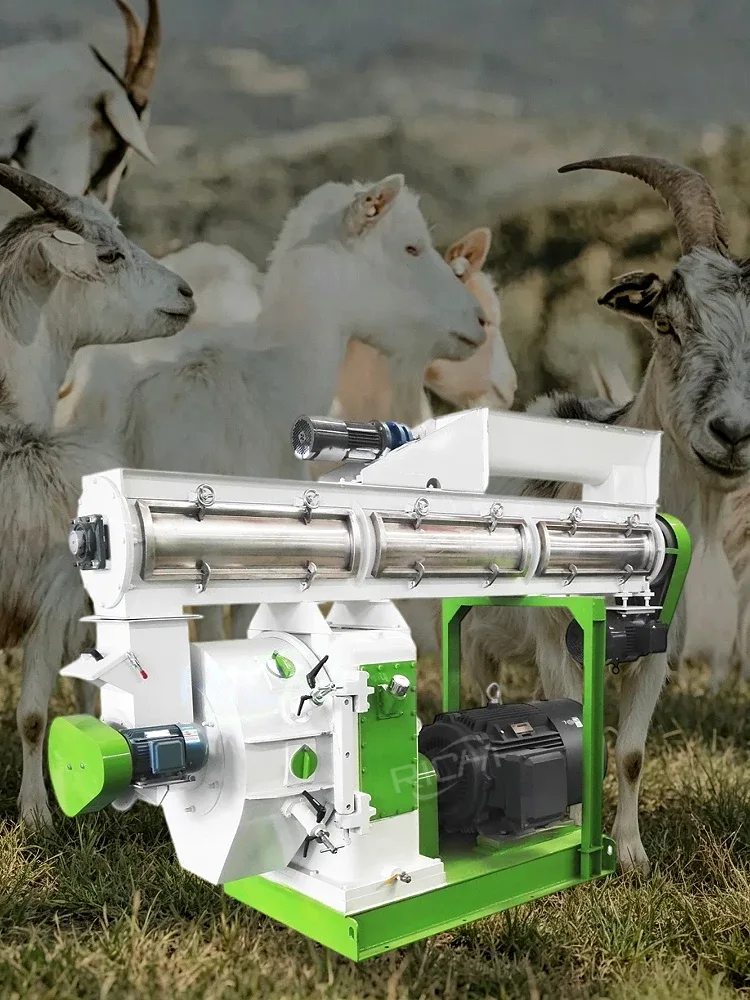
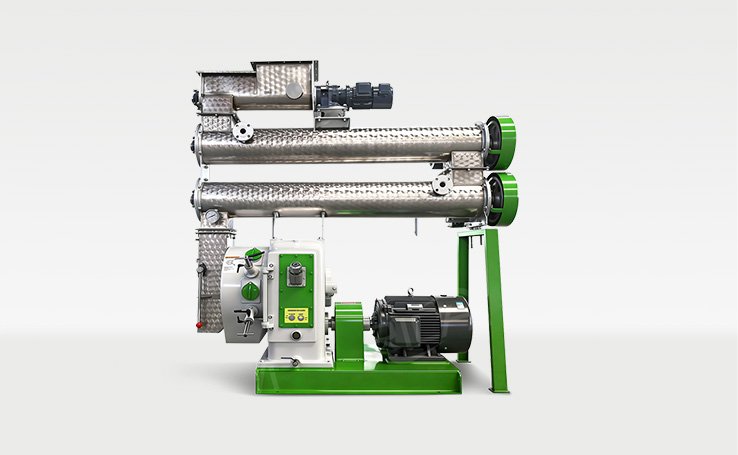
Among various biomass processing solutions, the rice straw pellet mill has become increasingly popular in regions with large rice production volumes. It provides an efficient method to convert abundant straw resources into commercially valuable products while supporting sustainable development.
Why Agricultural Waste Has Become a Global Opportunity
The increasing demand for renewable energy has encouraged businesses and investors to explore alternative fuel sources. Agricultural residues have several advantages compared with traditional fossil fuels:
- They are renewable and widely available.
- They help reduce waste from farming activities.
- They can support rural economic development.
- They provide an alternative energy source for industrial applications.
Rice straw is one of the most promising biomass materials because it is produced in large quantities every year. However, raw straw has several limitations, including low density, difficult handling, and unstable combustion performance.
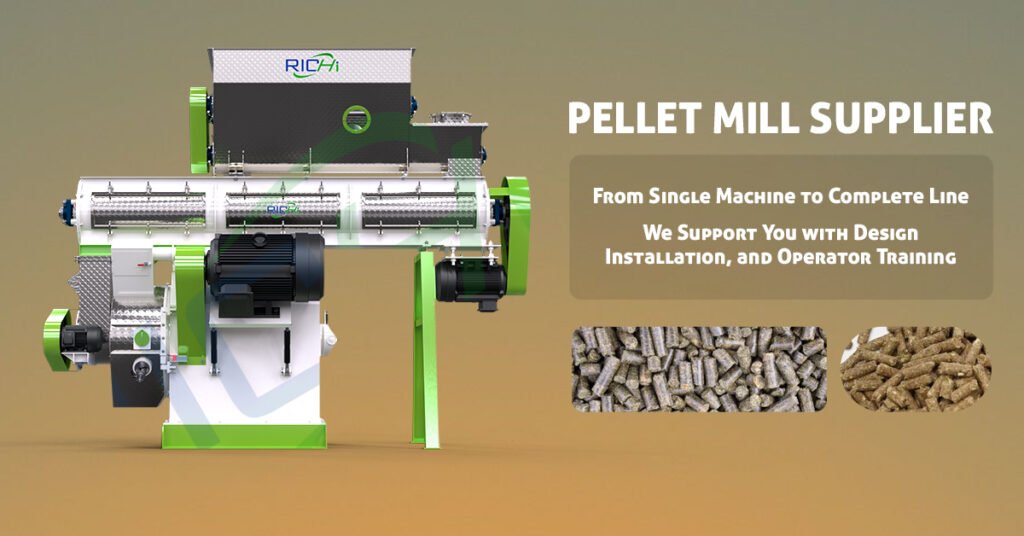
Pelletizing technology solves these problems by transforming loose straw into uniform fuel pellets.
How Rice Straw Pellet Production Works
Producing high-quality biomass pellets requires several important processing stages. Each step affects the final pellet quality and production efficiency.
Raw Material Collection and Preparation
After rice harvesting, straw needs to be collected and prepared before entering the production process. Since freshly collected straw usually contains high moisture, proper drying and preparation are necessary.
The raw material preparation process may include:
- Cleaning impurities
- Cutting long fibers
- Reducing moisture content
- Adjusting particle size
Proper preparation improves machine performance and helps produce stronger pellets.
Grinding and Size Reduction
Agricultural residues often have irregular shapes and different fiber lengths. A crushing system reduces the material into smaller particles, making it easier to compress.
Uniform particle size helps improve:
- Pellet durability
- Production stability
- Energy consumption efficiency
Compression and Pellet Formation
During pelletizing, biomass materials pass through the pellet machine under high pressure. Natural components such as lignin inside plant fibers help bind the material together.
The final pellets usually have:
- Higher density
- Better storage performance
- Lower transportation costs
- More consistent burning characteristics
For projects requiring different production capacities, customers may select suitable equipment models. For example, medium-sized agricultural processing plants may consider a 2-3 T/H corn stalk pelletizer for sale when handling large volumes of similar crop residues.
Advantages of Using Biomass Pellets for Energy Applications
Biomass pellets provide multiple benefits for both producers and end users.
Better Storage and Transportation Efficiency
Raw straw occupies a large volume, making transportation expensive. Pellets significantly reduce material volume and improve logistics efficiency.
More Stable Fuel Quality
Compared with loose agricultural waste, pellets provide more consistent size, moisture content, and combustion performance.
Lower Environmental Impact
Using agricultural residues for pellet production helps reduce open-field burning and promotes cleaner energy utilization.
Additional Revenue for Agricultural Businesses
Farmers and agricultural companies can create new income streams by processing crop waste into valuable pellet products.
Selecting Suitable Pelletizing Equipment for Different Projects
Choosing the right equipment is essential for achieving stable production. Before investing in a biomass pellet project, several factors should be evaluated.
Production Scale
Different businesses have different output requirements.
Small farms may need compact equipment for local use, while commercial pellet plants require larger production systems.
A professional equipment supplier can recommend suitable models according to:
- Raw material availability
- Target production capacity
- Final pellet application
- Investment budget
Material Characteristics
Not all biomass materials behave the same during pellet production.
Rice straw, corn stalks, sawdust, and other residues have different:
- Fiber structures
- Moisture levels
- Compression characteristics
Therefore, equipment configuration should match the specific material.
Long-Term Operation Requirements
Industrial pellet production requires machines that can operate continuously with reliable performance.
Key considerations include:
- Machine durability
- Maintenance convenience
- Spare parts availability
- Technical support
Why Complete Biomass Solutions Are Becoming More Popular
Modern customers are no longer only looking for individual machines. They increasingly prefer complete production solutions that cover the entire processing process.
A complete biomass pellet system may include:
- Crushing equipment
- Drying systems
- Pellet machines
- Cooling equipment
- Screening machines
- Packaging systems
Working with an experienced supplier helps customers avoid equipment compatibility issues and improves overall project efficiency.
Companies with professional manufacturing capabilities, such as Richi Machinery, provide customized biomass processing solutions according to different customer requirements.
Purchasing equipment find out here now allows customers to learn more about machine specifications, production capacity options, and technical advantages before making investment decisions.
Market Development Trends of Biomass Pellet Production
The biomass pellet industry continues to expand as more countries focus on renewable energy and carbon reduction goals.
Several market trends are driving future growth:
Increasing Demand for Renewable Fuel
Industrial users are searching for cleaner alternatives to coal and other fossil fuels. Biomass pellets provide a practical renewable option.
Growth of Agricultural Recycling
Governments and agricultural organizations are encouraging better utilization of crop residues instead of waste disposal.
Expansion of International Biomass Trade
High-quality pellets are becoming an important commodity in global energy markets, creating opportunities for producers in agricultural regions.
Beyond Energy: Other Applications of Straw Pellets
Although biomass fuel is one of the main applications, agricultural pellets can also be used in other industries.
Animal Bedding
Straw pellets offer excellent absorbency and can be used for livestock bedding.
Organic Material Processing
Some agricultural pellets can be further processed into soil improvement products.
Industrial Raw Materials
Certain biomass pellets can serve as sustainable materials for different industrial applications.
This diversity makes pellet production attractive for businesses seeking multiple revenue opportunities.
Building a Sustainable Future With Agricultural Pellet Technology
The development of biomass pellet technology represents a new approach to agricultural resource management. Instead of treating crop residues as waste, businesses can transform them into useful products with economic and environmental benefits.
(Related Post: https://biomasspelletizer.com/straw-pellet-production-line/)
The growing adoption of the rice straw pellet mill demonstrates how traditional agricultural materials can support modern renewable energy development.
With proper equipment selection, professional technical support, and effective resource management, agricultural pellet projects can provide long-term value for farmers, investors, and energy users worldwide.
As renewable energy demand continues increasing, agricultural residues will play a more important role in building a cleaner and more sustainable future.