

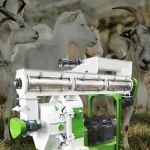
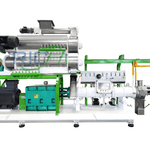
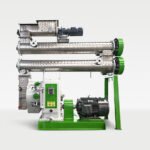

Small farms often face a different feed production challenge from large commercial factories. They may have access to their own corn, forage, soybean meal, or other agricultural materials but lack the demand or budget for a large industrial plant.
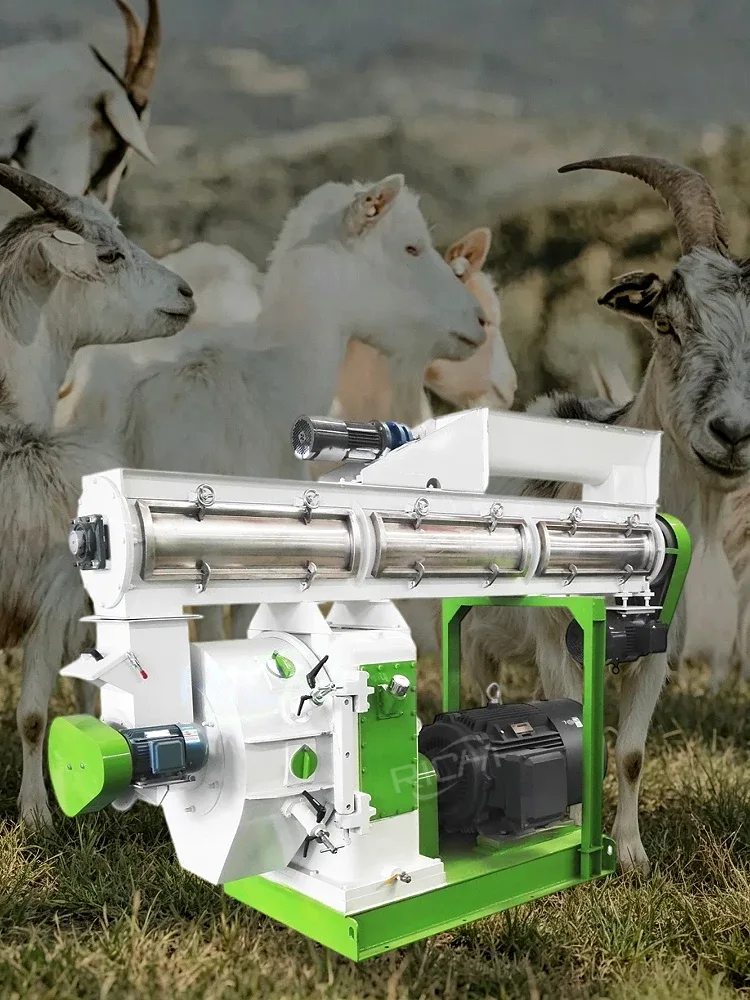
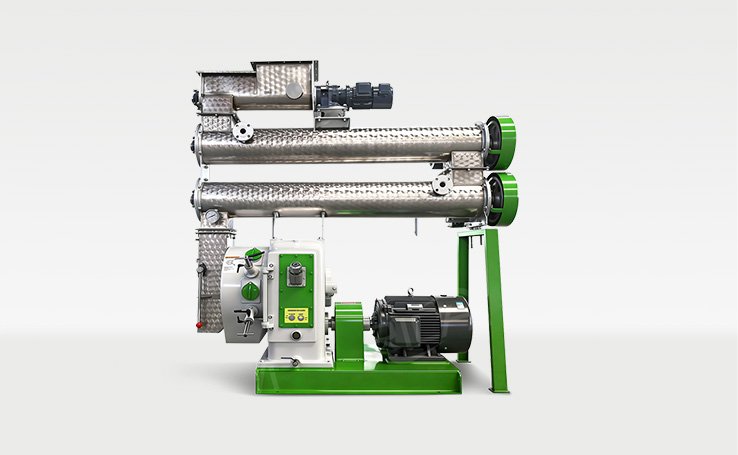
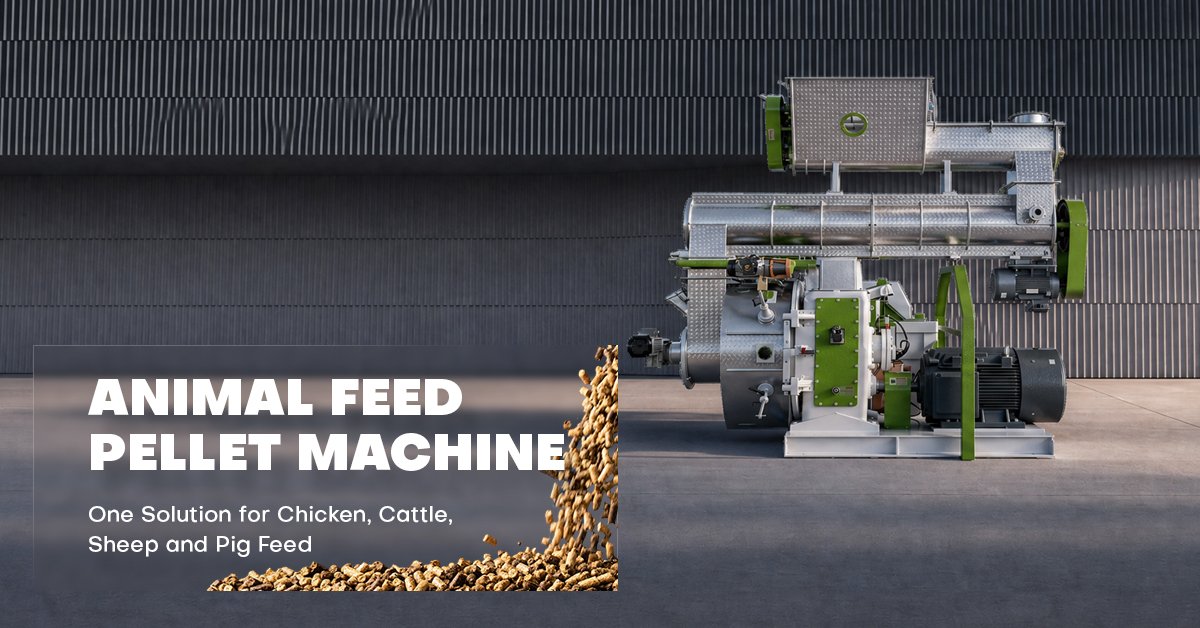
A small animal feed pellet machine can provide a practical way to convert prepared feed mixtures into uniform pellets for on-farm use. The appropriate machine should be selected according to the farm’s animal population, feed consumption, available raw materials, and desired operating schedule.
Matching Capacity With Actual Demand
The first step is estimating how much feed the farm needs. Buying equipment with significantly more capacity than required can increase investment and leave the machine underutilized.
At the same time, the machine should provide enough output to meet daily feeding requirements without requiring excessive operating hours.
For farms raising several animal species, flexibility may be more valuable than maximum capacity. A machine capable of producing different feed formulas and pellet diameters can help the farmer manage multiple feeding programs.
Poultry and Livestock Applications
A poultry and livestock feed pellet mill can be used for different feed applications when the formula and machine configuration are appropriate.
Poultry feed may contain corn, wheat products, soybean meal, premix, and other ingredients. Livestock feed can include similar grain components but may also contain forage or alfalfa.
The physical characteristics of these materials can affect grinding, mixing, feeding, and pelleting. Therefore, the machine should not be selected based solely on the animal category.
Preparing the Raw Materials
Pellet quality starts with preparation. Coarse ingredients need to be ground to a suitable size so they can mix evenly and enter the pellet mill effectively.
Mixing is then used to distribute ingredients throughout the formula. This is especially important when small quantities of premix or other concentrated ingredients are included.
If the material is not uniform before pelleting, producing a consistent final pellet becomes more difficult.
Why Pellets Can Be Useful on Farms
Pellets are easier to handle than loose mash in many farm feeding situations. Their uniform shape can simplify storage, transportation, and feeding.
Pelletizing can also reduce separation of ingredients during handling compared with loose mixtures. This can be useful when the feed contains several ingredients with different particle sizes and densities.
For farmers who produce their own feed, pelleting can also provide more control over the use of locally available agricultural materials.
Simple Does Not Mean Poorly Designed
A small feed system should be simple enough to operate but still properly configured. The grinder, mixer, pellet mill, and other necessary components should match one another.
If the farm already owns a suitable grinder and mixer, it may only need to add the pelleting section. If raw materials are not prepared, however, additional equipment may be necessary.
This is why the best small-scale system depends on the farm’s existing facilities.
Farm operators can try this web-site to review equipment information before comparing different production options.
Maintenance and Operation
Small farms often have fewer technical staff, so maintenance simplicity is important. Operators should understand lubrication, die and roller inspection, cleaning, and routine safety procedures.
Regular maintenance can help prevent unexpected downtime. The machine should also be kept clean to avoid contamination and unnecessary material buildup.
Operators should pay attention to changes in vibration, noise, feeding behavior, pellet appearance, and output. These signs can indicate that the equipment needs adjustment or maintenance.
Planning for Future Growth
A small farm may eventually expand its animal population or begin selling feed to nearby farms. It can therefore be useful to choose equipment with some room for future growth.
However, over-sizing the initial investment can also place unnecessary financial pressure on a small operation. A balanced solution should meet current demand while allowing practical expansion later.
Richi Pellet Mill equipment is available for different feed production applications, with models and configurations selected according to capacity, raw materials, and pellet requirements.
For farms, successful feed production is less about owning the largest machine and more about building a system that fits the actual operation. Proper raw material preparation, suitable capacity, consistent mixing, controlled feeding, and routine maintenance can make small-scale pellet production practical and dependable.
view details: https://www.richimanufacture.com/animal-feed-pellet-machine-for-sale/