

Goat farming has a feeding problem that few people talk about openly. Many farmers buy whatever commercial feed is available in their area, without knowing exactly what is in it or whether it matches their animals’ needs. The feed may work. It may also be overpriced, poorly balanced, or designed for a different production stage.
This is one reason more goat farmers have started looking at feed production. When you make your own feed, you control the formula. You decide how much protein goes in, which energy sources to use, how much roughage to include, and which minerals and vitamins to add. That control can improve animal performance and reduce cost.
But control also brings responsibility. A poorly formulated feed can reduce growth, lower milk yield, and cause health problems. The formula matters as much as the equipment.
This article looks at what should go into a goat feed formula, how the ingredients interact, and what farmers should consider before mixing their own feed.
Why Goat Nutrition Is Not the Same as Cattle Nutrition
Goats and cattle are both ruminants, but they are not identical. Goats are browsers by nature. They prefer leaves, shrubs, and woody plants over grass. Their digestive system is adapted to a varied diet, and they are more selective about what they eat than cattle.
This difference matters for feed formulation. A cattle feed formula will not necessarily work for goats. Goats have different requirements for protein, fiber, and minerals. They are also more sensitive to certain feed components, particularly copper. Goats need more copper than sheep, but too much copper can be toxic to sheep. This is why goat feed and sheep feed are not interchangeable.
Goats also have different production stages. A dry doe, a pregnant doe, a lactating doe, and a growing kid all have different nutritional needs. A single formula cannot serve all of them equally well. This is why feed producers usually offer multiple products for different stages.
For farmers who make their own feed, understanding these differences is essential. A formula that works for one group may not work for another.
The Main Ingredient Categories
A goat feed formula combines several categories of ingredients. Each category serves a specific purpose.
Energy sources provide calories for maintenance, growth, and milk production. Common sources include corn, barley, wheat, oats, and wheat bran. Corn is high in energy but low in protein. Barley is slightly lower in energy but provides more fiber. Oats are palatable and digestible. Wheat bran is a good source of fiber and phosphorus.
Protein sources support muscle growth, milk production, and overall health. Common sources include soybean meal, cottonseed meal, sunflower meal, rapeseed meal, and peanut meal. Soybean meal is the most common because of its amino acid profile. Cottonseed meal is widely available in some regions but should be used carefully because of gossypol, which can be toxic at high levels. Sunflower meal and rapeseed meal are alternatives where soybean meal is expensive.
Roughage sources provide fiber and support rumen function. Common sources include alfalfa meal, hay meal, and ground straw. Alfalfa is high in protein and calcium. Grass hay is lower in protein but provides good fiber. Straw is low in protein and energy but adds bulk and fiber.
Mineral and vitamin supplements fill nutritional gaps. Calcium, phosphorus, and salt are the most common minerals. Trace minerals such as zinc, copper, manganese, and selenium are also important. Vitamin premixes support growth, reproduction, and immunity. The levels of these supplements must be adjusted for the target animals.
Additives may include binders, mold inhibitors, antioxidants, and probiotics. Binders help hold the pellet together, especially when the formula includes high levels of roughage. Mold inhibitors prevent spoilage during storage. Antioxidants protect fats and vitamins from oxidation. Probiotics support digestive health.
How to Balance Protein and Energy
The balance between protein and energy is one of the most important decisions in feed formulation.
Goats need protein for growth, milk production, and tissue repair. They need energy for maintenance and activity. If protein is too low, growth slows, milk yield drops, and animals may lose condition. If protein is too high, it is wasted, and the excess is excreted, which costs money and increases nitrogen in the manure.
Energy is similar. Too little energy means animals lose weight and produce less milk. Too much energy leads to fat deposition, which can cause problems during kidding and reduce feed efficiency.
The right balance depends on the animals’ stage of production. A dry doe needs less protein and energy than a lactating doe. A growing kid needs more protein for muscle development. A working buck may need more energy.
A common approach is to formulate different feeds for different stages. A maintenance feed for dry animals, a lactation feed for milking does, and a growth feed for kids. This allows the farmer to match nutrition to need and avoid overfeeding.
Fiber: The Often-Overlooked Component
Fiber is sometimes treated as a filler, but it is essential for ruminants. Goats need fiber to maintain rumen health and proper digestion.
The rumen is a fermentation chamber. Microbes break down fibrous plant material and convert it into energy and protein. If fiber is too low, rumen function is impaired. If fiber is too high, feed intake may drop, and animals may not get enough energy.
For goat feed, fiber levels typically range from 15% to 25% depending on the production stage. Lactating does can tolerate lower fiber levels because they need more energy. Dry animals and growing kids need higher fiber levels.
The source of fiber also matters. Long-stem roughage is important for rumen function. Ground roughage in pellets is useful but does not replace long-stem forage entirely. Farmers should provide both.
Minerals and Vitamins
Minerals and vitamins are needed in small amounts, but deficiencies can cause serious problems.
Calcium and phosphorus are important for bone development, milk production, and nerve function. The ratio of calcium to phosphorus should be balanced, usually around 2:1 for goats. Too much phosphorus relative to calcium can cause urinary stones, especially in male goats.
Salt provides sodium and chloride, which are essential for fluid balance. Goats need more salt than many other animals.
Copper is needed for enzymes, immune function, and coat health. Goats need more copper than sheep, but the level must be carefully controlled. Too much copper can be toxic.
Selenium is important for immune function and reproduction. In some regions, soil selenium is low, and supplementation is necessary.
Vitamins A, D, and E are important for vision, bone health, and immunity. Vitamin A is often added to feed because it is not synthesized in the body. Vitamin D is synthesized in the skin with sunlight, but indoor animals may need supplementation. Vitamin E is an antioxidant that supports immune function.
The exact levels depend on the animals’ stage of production, the local soil and forage conditions, and the other ingredients in the formula. A nutritionist can help balance these levels.
Formulating for Different Production Stages
Feed formulation should be adjusted for different stages of production.
Growing kids. Young goats need high protein and energy for growth. They also need balanced minerals for bone development. A creep feed is often provided before weaning, followed by a grower feed.
Dry does. Dry animals need less protein and energy. The goal is to maintain body condition without excessive fattening. A maintenance feed is usually sufficient.
Pregnant does. Nutritional needs increase in late pregnancy, especially in the last six weeks. The fetus grows rapidly, and the doe needs more energy and protein. Proper nutrition during this stage reduces the risk of pregnancy toxemia.
Lactating does. Milk production is the most nutritionally demanding stage. Lactating does need high protein, high energy, and adequate minerals. The formula should be adjusted based on milk yield and body condition.
Bucks. Breeding bucks need adequate nutrition to maintain condition and fertility. They should not be overfed, as obesity reduces fertility.
For farmers who produce their own feed, having separate formulas for these stages is ideal. If that is not practical, a single balanced formula can be used, but it may not be optimal for all animals.
What Equipment Is Needed
Making goat feed requires more than a formula. It requires equipment to grind, mix, and pelletize the ingredients.
Grinding equipment reduces raw materials to a consistent particle size. A hammer mill is the most common choice. Different screen sizes can be used for different ingredients.
Mixing equipment blends the ingredients into a uniform batch. Uniformity is important because minerals and additives are included at low rates. If mixing is poor, some pellets get too much of a nutrient and others get too little.
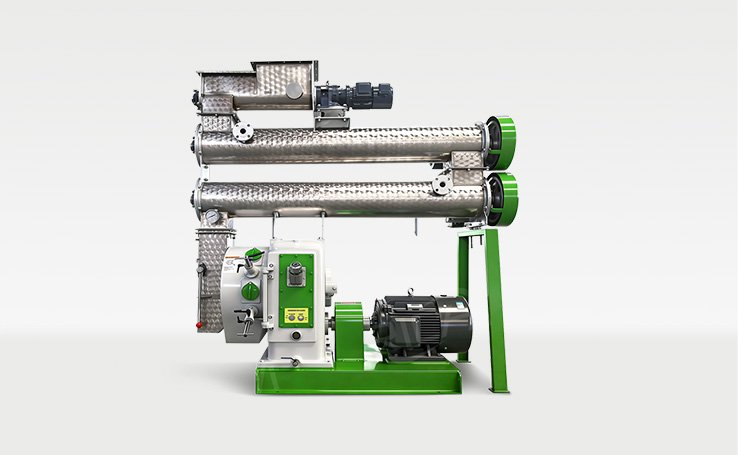
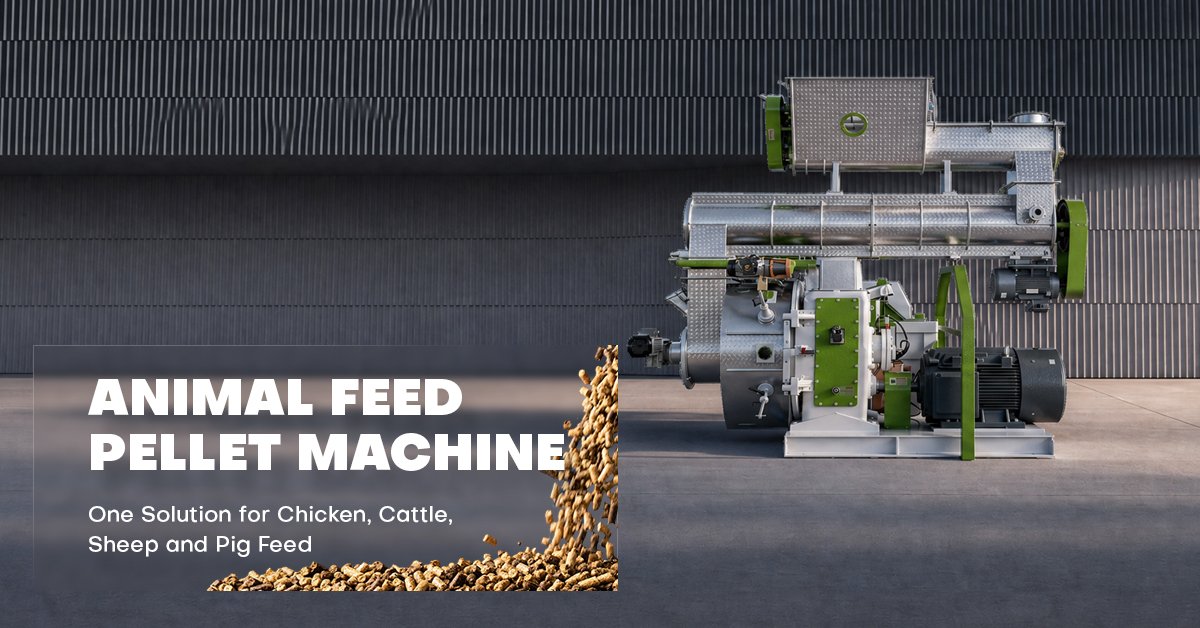
Pelletizing equipment forms the mixed feed into pellets. A pellet mill presses the feed through a die. The die size determines the pellet diameter. For goats, a pellet size of 4 to 8 mm is common.
Cooling equipment reduces pellet temperature after pressing. Hot pellets are soft and fragile. Cooling hardens them and improves durability.
Packaging equipment fills bags or containers. For on-farm use, simple bagging equipment is usually sufficient.
For small farms, a goat feed making machine with matching grinding, mixing, and cooling equipment forms a complete line. The equipment can be configured for different capacities and different levels of automation.
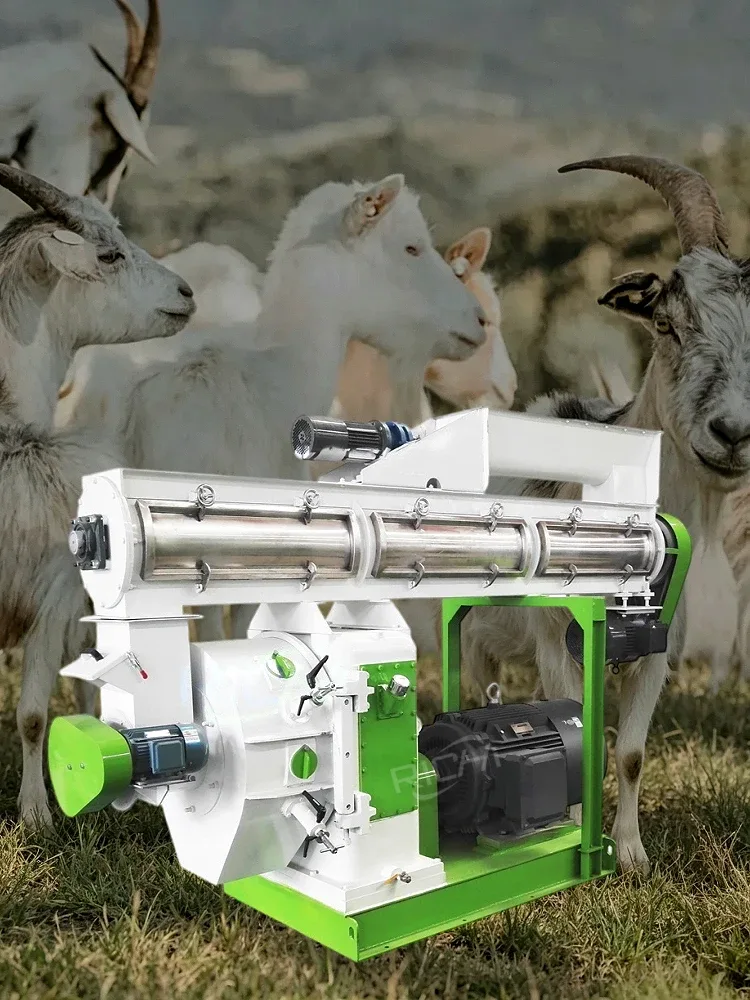
Some farmers start with a smaller setup and expand later. Others invest in a complete line from the beginning. The right choice depends on current needs and future plans.
A goat feed pellet machine for small farms is sized for operations that need a manageable capacity without excessive capital investment. It is large enough to produce meaningful quantities but small enough to be practical for a farm with limited labor and space.
Cost Considerations
The cost of producing goat feed includes several elements.
Raw material cost is usually the largest expense. The formula should be built around locally available ingredients to reduce cost.
Equipment cost depends on capacity, automation, and the number of machines in the line. A complete line costs more than a single pellet mill, but it also produces better results.
Energy cost includes electricity for grinding, mixing, and pelletizing. Pelletizing is the largest energy consumer.
Labor cost depends on the level of automation. Manual lines require more workers. Automated lines require fewer workers but more skilled maintenance.
Maintenance and spare parts are ongoing costs. Dies, hammers, and screens wear out. Replacement parts should be budgeted.
Quality losses occur when feed does not meet specifications. Off-spec feed may need to be reworked or discarded. These losses add up over time.
When evaluating a project, it is important to calculate the cost per ton and compare it with the cost of buying commercial feed. If the difference is significant, on-farm production may be worthwhile.
Quality Control for Goat Feed
Quality control is important for any feed production operation.
Moisture content should be checked to ensure the feed is stable during storage. Too much moisture leads to mold. Too little leads to brittle pellets and more fines.
Pellet durability measures how well pellets survive handling and transport. Durable pellets produce fewer fines and less waste.
Nutrient content should be verified periodically through laboratory analysis. This confirms that the formula is being followed and that the feed meets the animals’ needs.
Water stability is less critical for goats than for aquatic animals, but it still matters if feed is stored in humid conditions.
Visual inspection catches obvious problems such as discoloration, mold, or foreign material. Operators should check feed regularly during production.
Animal performance is the ultimate quality check. If animals are healthy, growing, and producing as expected, the feed is doing its job. If not, the formula or the process may need adjustment.
Common Mistakes in Goat Feed Formulation
Several mistakes appear repeatedly in goat feed formulation.
Using cattle or sheep feed. Goats have different nutritional needs. Cattle feed may be too low in copper. Sheep feed may be too high in copper. Neither is ideal for goats.
Ignoring the calcium-phosphorus ratio. An imbalance can cause urinary stones, especially in male goats. The ratio should be checked.
Overfeeding grain. Too much grain can cause acidosis and other digestive problems. Grain should be balanced with roughage.
Neglecting fiber. Fiber is essential for rumen health. A formula that is too low in fiber can cause digestive problems.
Skipping mineral supplementation. Minerals are needed in small amounts, but deficiencies can cause serious problems. A mineral premix should be included.
Not adjusting for production stage. A single formula cannot serve all animals equally well. Different stages need different formulas.
Poor mixing. Inconsistent mixing leads to inconsistent feed. Some animals get too much of a nutrient, others get too little.
Avoiding these mistakes requires attention and knowledge. Working with a nutritionist or experienced feed formulator can help.
Where to Get More Information
For farmers who are considering feed production, there are several sources of information. Extension services, veterinary advisors, and feed industry associations can provide guidance on formulation and equipment. Equipment suppliers can also provide technical support and recommendations.
For more information on animal feed equipment options, including equipment for different livestock species and production scales, visit straight from the source at https://pelletmakermachine.com/animal-feed-machine/. This page provides an overview of available solutions and can help with early project planning.
Working with an experienced manufacturer such as Richi Machinery can also reduce the risk of costly mistakes. The right partner brings process knowledge, not just equipment.
Final Thoughts
Goat feed formulation is part science and part practical experience. The science tells you what nutrients the animals need. The experience tells you what works on your farm, with your animals and your available ingredients.
A well-formulated feed can improve growth, milk yield, and animal health. It can also reduce cost by using locally available ingredients and avoiding waste. But formulation is not a one-time task. It requires regular review and adjustment as animals, seasons, and markets change.
The goat feed making machine is part of the picture, but it is not the whole picture. The formula matters more than the equipment. A good formula with modest equipment will outperform a poor formula with the best equipment.
For farmers who are willing to learn and invest, on-farm feed production can be a valuable addition to the operation. For those who are not, buying commercial feed remains a reasonable choice. The key is to understand the trade-offs and make a decision that fits the farm.