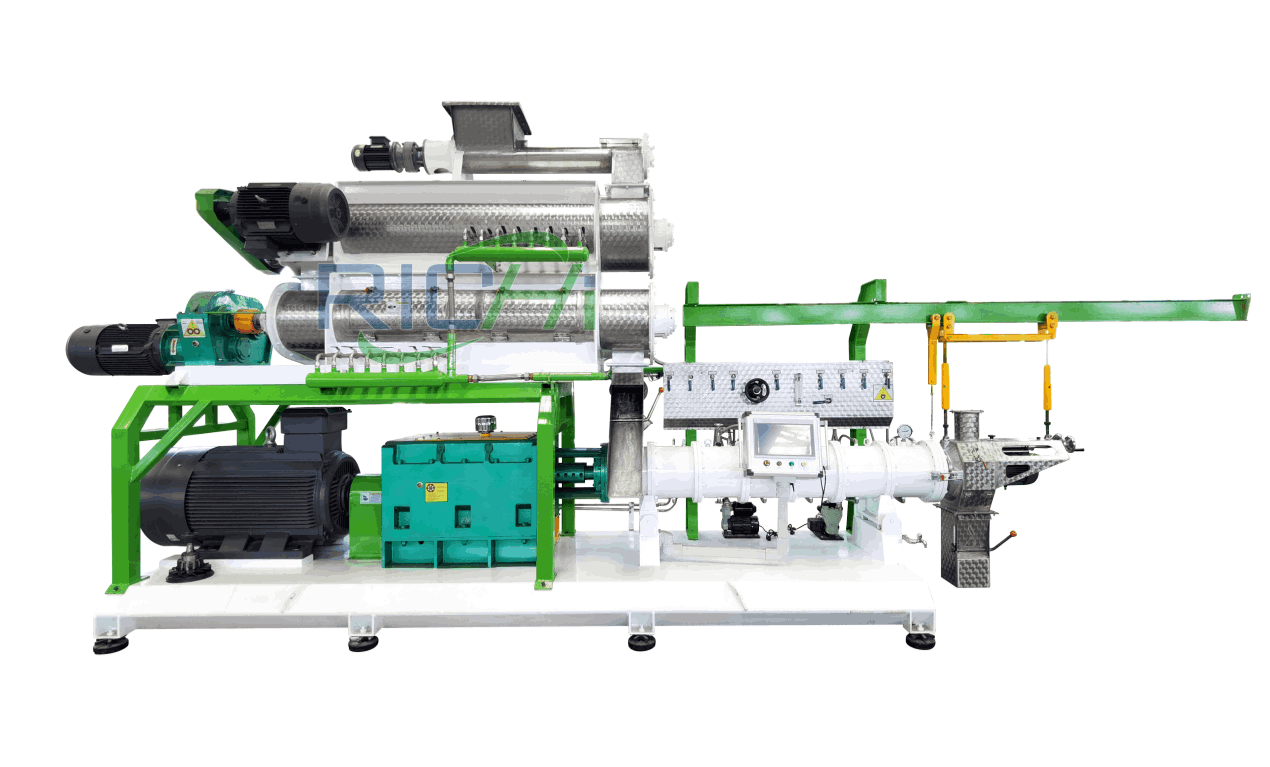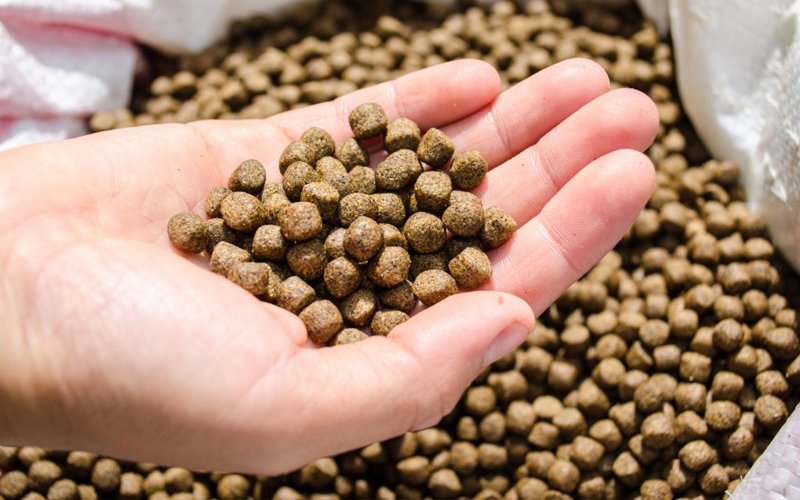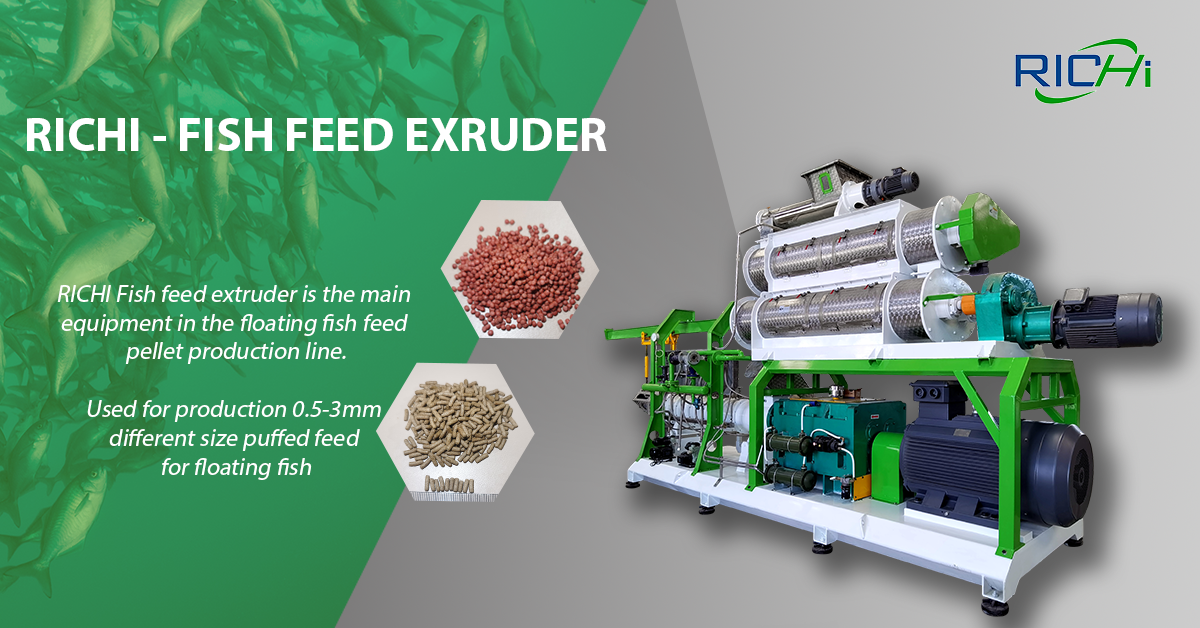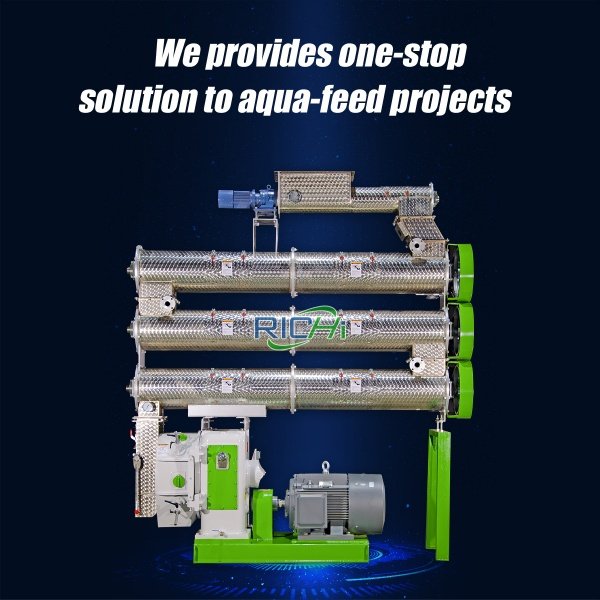


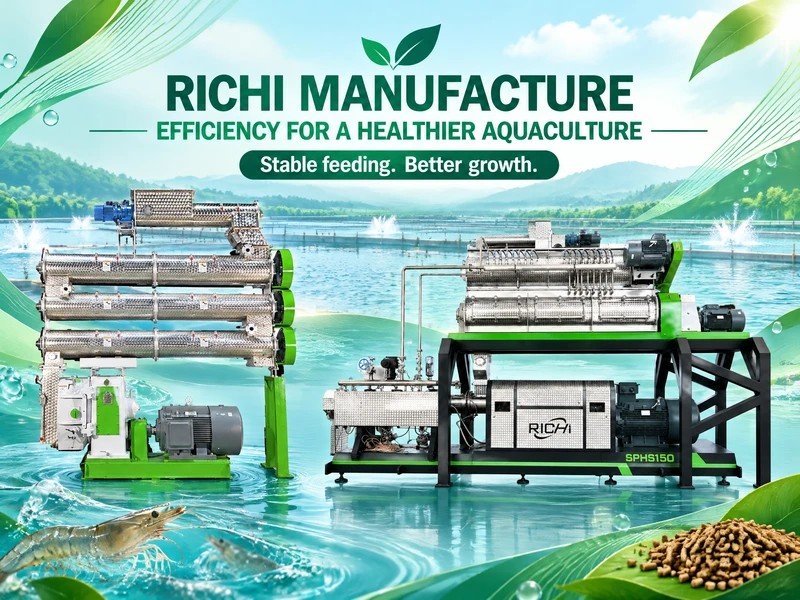
Automation is becoming increasingly relevant as aquaculture feed factories seek better process control and more consistent production. For companies investing in a shrimp feed pellet machine, automation should not be viewed only as an electrical upgrade. It can influence how materials are weighed, transferred, processed, monitored, and packaged throughout the factory.
Why Automation Matters
Manual production can work for small operations, but repetitive weighing, conveying, feeding, and packaging become increasingly difficult as output grows. Automated systems can coordinate these activities and allow operators to monitor multiple process stages from a central control system.
In a shrimp feed factory, this can be particularly useful because the production process contains several interconnected stages. Grinding, mixing, conditioning, pelleting, cooling, screening, and packaging must maintain a suitable material flow.
If one stage stops unexpectedly, downstream equipment may also need to stop.
Automated Feeding and Material Flow
Variable-speed feeders can help regulate how material enters processing equipment. Stable feeding is important for pellet mills because sudden changes in material flow can affect machine loading and production stability.
Conveyors and elevators can also be integrated into the automation system. Sensors can monitor material levels and help coordinate transfers between storage and processing equipment.
This creates a more connected production environment than manually moving material between individual machines.
Automatic Batching and Mixing
Formulation accuracy is another area where automation can provide practical benefits. Different ingredients need to be weighed according to the selected recipe before entering the mixer.
Automated batching can reduce repetitive manual weighing and help standardize production. The mixer then distributes the ingredients before the material continues toward conditioning and pelleting.
Choosing the Automation Level
An automatic fish feed mill plant does not necessarily mean that every operation must be fully automated. Automation should correspond to the factory’s capacity, labor structure, product range, and investment plan.
A moderate-sized producer may automate critical processes while retaining manual intervention in selected areas. A larger commercial factory may require centralized control across material receiving, processing, storage, and packaging.
The important point is to design automation around the actual production workflow.
Controlling the Pellet Mill
The pellet mill requires stable feeding and operating conditions. Automated systems can monitor motor load, feeder speed, temperature, and other operating parameters.
This information can help operators identify unusual conditions before they become serious production problems. Safety devices can also stop equipment under certain abnormal conditions, helping protect both machinery and personnel.
Automation Does Not Replace Process Knowledge
Technology is useful only when the process itself is correctly designed. If raw materials are unsuitable, the grinding system is poorly matched, or conditioning is inadequate, automation alone cannot solve the underlying issue.
This is why engineering knowledge remains important even in highly automated factories.
Planning a Connected Factory
browse around this site when researching equipment solutions and pay attention to how individual machines are integrated. A good production line should show a logical material flow from raw materials to finished feed.
Automation can then be built around this flow. The control system coordinates equipment startup and shutdown, monitors material movement, and provides operators with production information.
Selecting Equipment for Expansion
A business may begin with one product and later introduce additional shrimp or fish feed formulations. A flexible automation system can make such changes easier if the equipment and controls were planned with future requirements in mind.
The pellet machine for sale should therefore be evaluated as part of the larger production project. Its capacity, feeder, conditioner, die configuration, electrical controls, and connection to other machines all affect how effectively it can operate within the factory.
Automation works best when it supports a well-designed process. With suitable equipment integration, it can reduce repetitive work, improve process visibility, and help commercial feed manufacturers maintain more consistent production as their aquaculture business expands.
View details: https://www.richimanufacture.com/shrimp-feed-pellet-machine/