
Introduction: The Importance of High-Quality Aquatic Feed
Aquaculture has become a major contributor to global food production, providing fish, shrimp, and other aquatic products to meet the increasing demand for animal protein. As aquaculture farms continue to expand, improving feed quality and production efficiency has become one of the most important challenges for farmers and feed manufacturers.
Feed is the largest operating cost in most aquaculture systems and directly affects animal growth, survival rate, production cycle, and profitability. Poor-quality feed can result in slow growth, low feed conversion efficiency, increased waste, and deteriorating water quality. On the other hand, high-quality aquatic feed helps animals absorb nutrients effectively, reduces feeding costs, and creates a healthier farming environment.
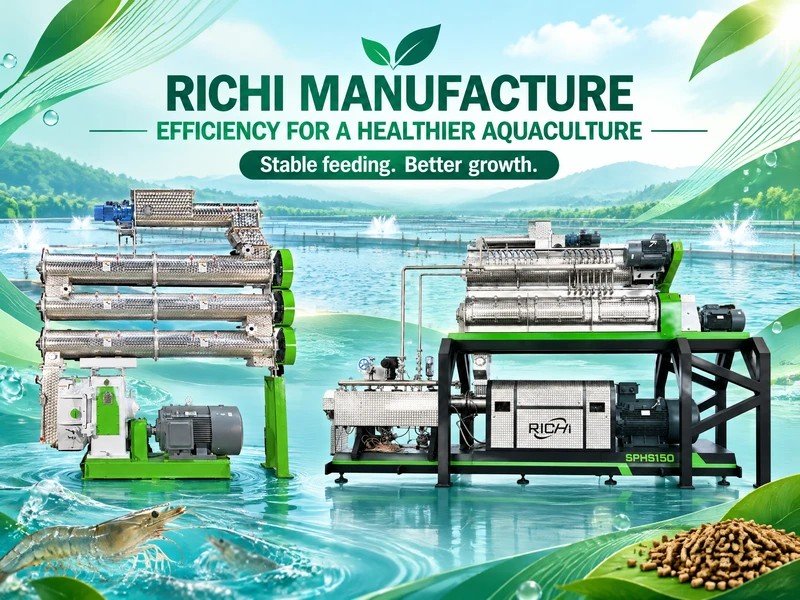
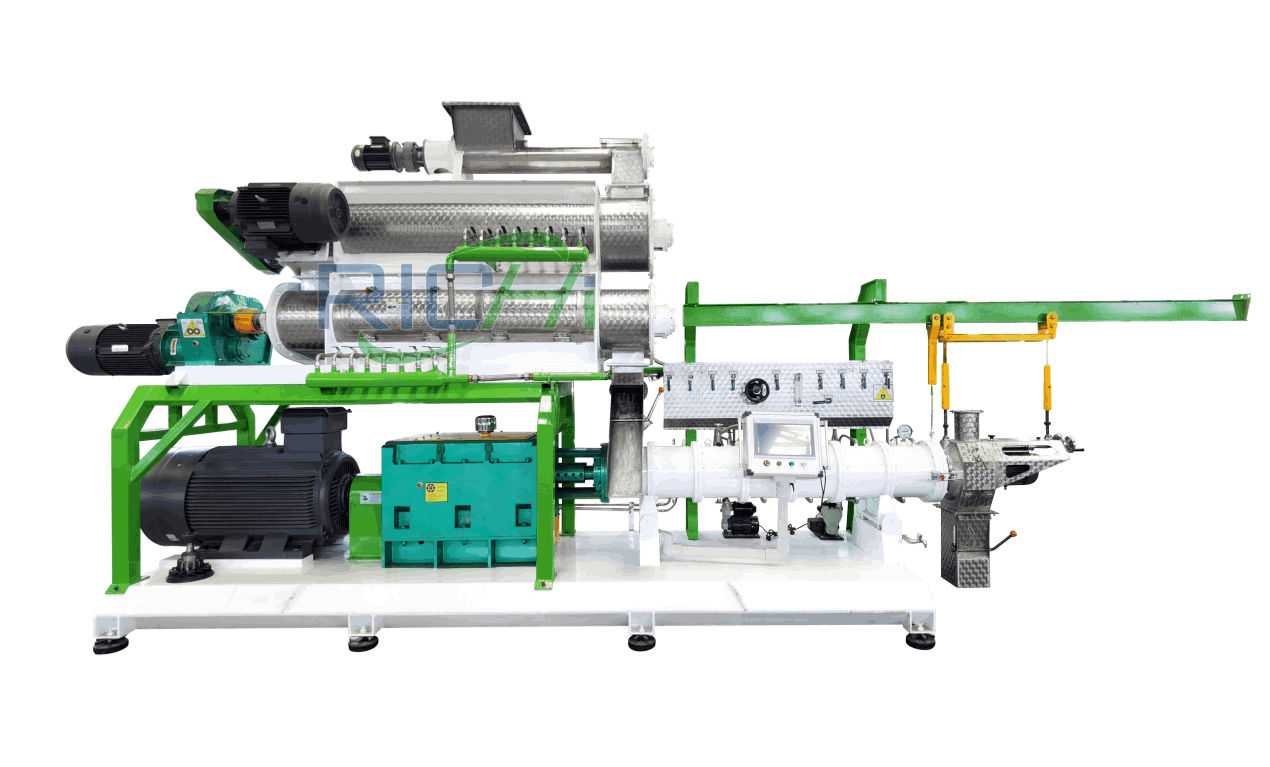
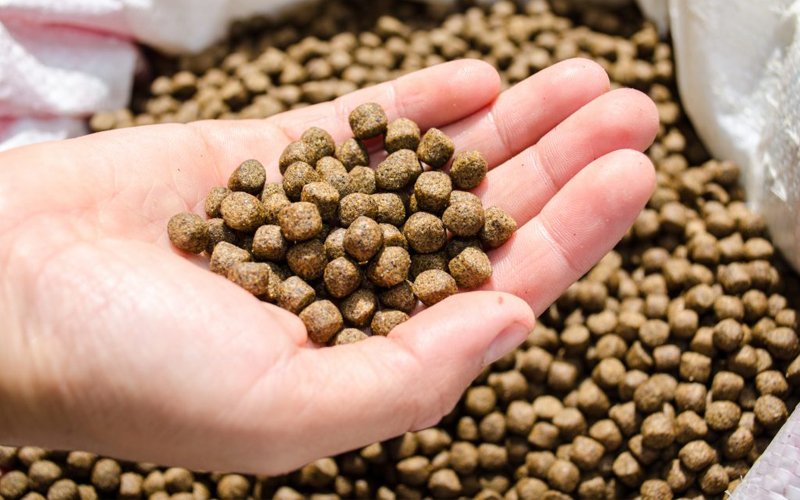
Improving aquatic feed quality and efficiency requires a combination of scientific formulation, high-quality raw materials, advanced processing technology, and effective quality control. Among these factors, modern extrusion technology plays a crucial role in producing stable and nutritious feed pellets. A floating pellet extruder machine enables manufacturers to produce floating feed with excellent water stability, uniform size, and improved digestibility, helping aquaculture businesses achieve better feeding results.
By optimizing every stage of aquatic feed production, manufacturers can create more efficient feed products and support the sustainable development of the aquaculture industry.
Optimizing Raw Material Selection for Better Feed Quality
The quality of aquatic feed starts with the selection of raw materials. Even the most advanced processing equipment cannot compensate for poor-quality ingredients. Therefore, choosing suitable raw materials is the first step toward improving feed performance.
Aquatic animals require balanced nutrition, including protein, carbohydrates, fats, vitamins, and minerals. Different species have different nutritional needs, so feed formulas should be developed according to the target animals.
Common ingredients used in aquatic feed include:
- Fish meal
- Soybean meal
- Corn
- Wheat flour
- Rice bran
- Wheat bran
- Vegetable protein sources
- Fish oil
- Vitamin and mineral premixes
High-quality protein sources are essential because protein directly influences muscle development and growth performance. Fish meal provides excellent amino acid balance, while soybean meal and other plant proteins offer cost-effective alternatives.
Energy ingredients such as corn and wheat provide carbohydrates that support metabolism and improve feed processing characteristics. Meanwhile, oils provide essential fatty acids that improve growth and health.
To improve feed efficiency, manufacturers should focus on:
- Stable ingredient supply
- Consistent nutritional value
- Low contamination risk
- Proper storage conditions
Careful raw material management helps produce feed with reliable quality and reduces variations between production batches.
Improving Feed Formulation Through Scientific Nutrition
A balanced formula is essential for maximizing feed efficiency. Aquatic feed should not simply contain high levels of nutrients; it must provide the correct balance of nutrients according to the biological requirements of different species.
An optimized feed formula considers:
- Species type
- Growth stage
- Farming environment
- Feeding habits
- Production goals
For example, juvenile fish generally require smaller pellets with higher nutrient density because they have rapid growth rates and limited feeding capacity. Adult fish may require different protein and energy ratios.
Scientific formulation helps improve:
Feed Conversion Ratio (FCR)
A well-balanced formula allows aquatic animals to convert feed into body weight more efficiently.
Growth Performance
Adequate nutrition supports faster growth and healthier animals.
Feed Utilization
Proper nutrient balance reduces nutrient waste released into water.
Feed manufacturers often use nutritional analysis and feeding trials to adjust formulas and achieve better performance.
Improving Grinding and Mixing Accuracy
The physical preparation of raw materials has a major impact on final feed quality. Proper grinding and mixing ensure that nutrients are evenly distributed throughout each pellet.
Grinding reduces raw materials into smaller particles, improving:
- Digestibility
- Mixing uniformity
- Extrusion performance
- Pellet appearance
Particle size should be adjusted according to the target species and pellet size requirements. Fine particles are usually preferred for small fish feed because they are easier to digest.
After grinding, ingredients must be thoroughly mixed. Uneven mixing may cause nutritional differences between pellets, resulting in inconsistent feeding results.
Modern mixing systems improve efficiency by providing:
- Accurate ingredient distribution
- Shorter mixing time
- Better formula consistency
Uniform raw material preparation creates a stronger foundation for high-quality aquatic feed production.
Using Extrusion Technology to Improve Pellet Quality
Extrusion is one of the most important technologies for producing modern aquatic feed. Compared with traditional pelletizing methods, extrusion provides better control over pellet structure, density, and water performance.
During extrusion, feed materials are processed under:
- High temperature
- High pressure
- Mechanical shear forces
These conditions change the physical structure of raw materials and improve their nutritional availability.
The extrusion process provides several advantages:
- Better starch gelatinization
- Higher nutrient digestibility
- Improved pellet durability
- Reduced microbial contamination
- Adjustable floating ability
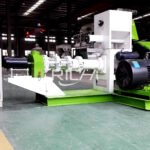
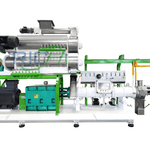
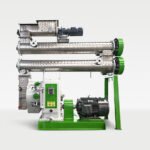
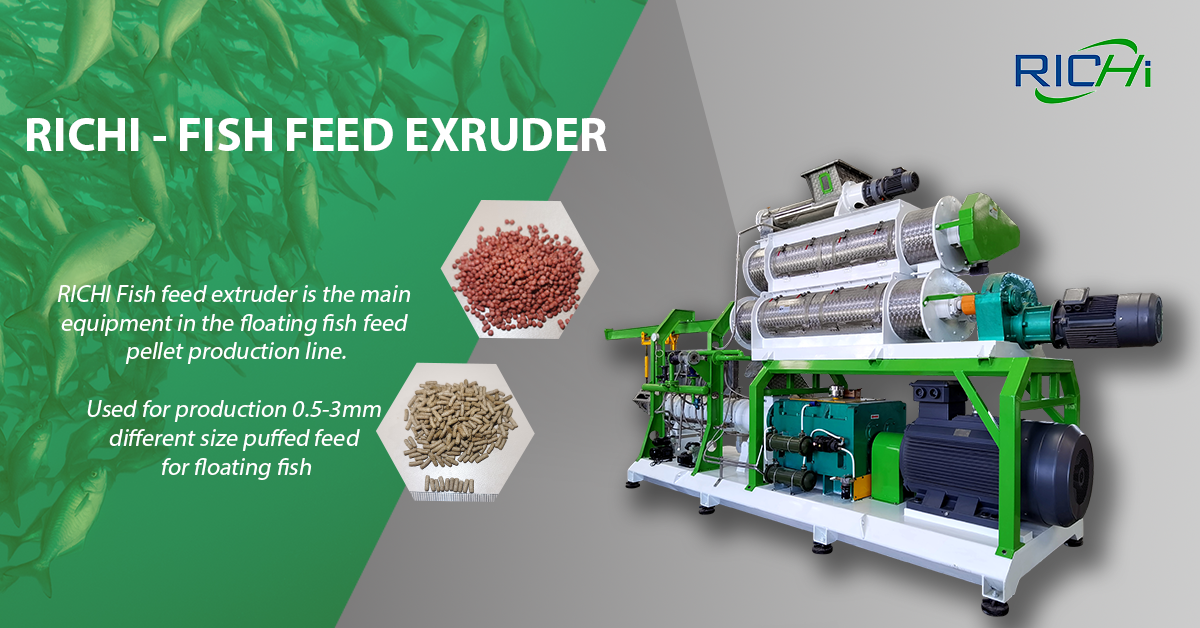
A floating pellet extruder machine is specifically designed to manufacture floating aquatic feed pellets. By controlling processing parameters, manufacturers can produce pellets that remain on the water surface for sufficient time, allowing farmers to observe feeding behavior and reduce feed waste.
The machine can produce different pellet sizes by changing dies and adjusting operating conditions, making it suitable for various aquatic species.
https://richipelletizer.com/floating-fish-feed-extruder-machine
Controlling Pellet Size and Density
Pellet characteristics directly influence feeding efficiency. Different aquatic species require different pellet sizes and densities.
Small fish need small pellets that are easy to consume, while larger fish require larger pellets suitable for their mouth size.
Important pellet parameters include:
Pellet Size
Proper pellet size improves feed intake and reduces waste.
Pellet Density
Density determines whether feed floats, sinks, or remains suspended.
Pellet Hardness
Strong pellets maintain their shape during handling and transportation.
Water Stability
Good water stability prevents nutrient loss before consumption.
A floating pellet extruder machine allows manufacturers to adjust these characteristics by controlling extrusion conditions, moisture levels, and die specifications.
Producing pellets with suitable physical properties helps farmers achieve more efficient feeding management.
Reducing Feed Waste Through Better Floating Performance
Feed waste is one of the biggest concerns in aquaculture because unused feed increases costs and negatively affects water quality.
Floating feed provides several advantages:
- Easier feeding observation
- Better feeding control
- Reduced overfeeding
- Lower nutrient loss
When pellets remain visible on the water surface, farmers can determine whether fish have consumed enough feed and adjust feeding quantities accordingly.
Advanced extrusion technology improves floating performance by creating expanded pellet structures with controlled density.
A high-quality floating feed product should:
- Float consistently
- Maintain pellet shape
- Resist rapid water absorption
- Release fewer nutrients
By reducing waste, improved floating feed contributes to both economic efficiency and environmental sustainability.
Enhancing Feed Digestibility Through Processing Technology
Feed efficiency depends not only on nutrient content but also on how effectively aquatic animals can digest and absorb nutrients.
Extrusion processing improves digestibility by modifying the structure of feed ingredients.
For example, starch gelatinization makes carbohydrates easier to digest, while proper heat treatment improves feed safety.
Better digestibility leads to:
- Faster growth
- Lower feed consumption
- Improved feed conversion ratio
- Reduced waste production
The combination of scientific formulation and advanced processing creates feed products that provide greater nutritional value per kilogram.
Implementing Strict Quality Control During Production
Quality control is essential for maintaining consistent aquatic feed performance.
A professional feed factory should monitor every production stage, including:
Raw Material Inspection
Checking ingredient quality, moisture content, and contamination risks.
Production Monitoring
Controlling processing parameters such as temperature, moisture, and pressure.
Finished Product Testing
Evaluating:
- Protein content
- Pellet size
- Floating time
- Water stability
- Moisture level
Regular testing ensures that every batch meets production standards.
Automation systems can further improve quality control by continuously monitoring production data and reducing human errors.
Improving Production Efficiency Through Automation
Modern aquatic feed factories increasingly use automated production systems to improve efficiency and reduce operating costs.
A complete automated production line may include:
- Raw material cleaning systems
- Crushing equipment
- Automatic batching systems
- Mixers
- Extruders
- Dryers
- Coolers
- Packaging systems
Automation provides benefits such as:
- Higher production capacity
- Lower labor requirements
- More stable product quality
- Reduced production errors
For large-scale feed manufacturers, automation is essential for maintaining competitiveness in the market.
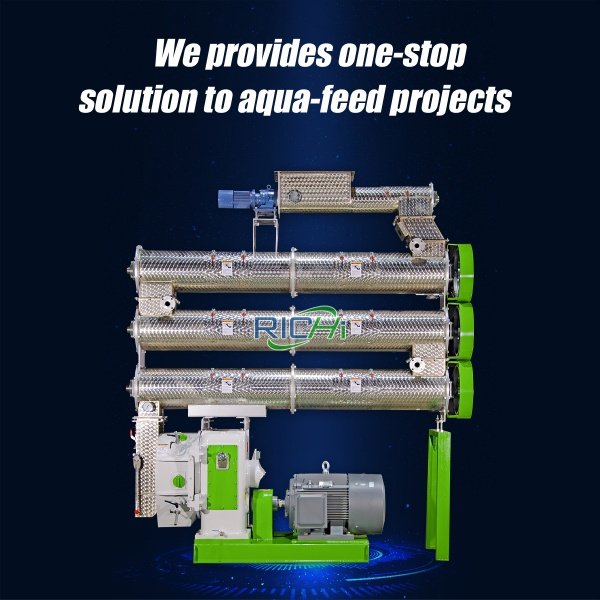
Selecting the Right Equipment for Efficient Aquatic Feed Production
Equipment selection has a direct impact on production efficiency and feed quality.
When choosing aquatic feed processing equipment, manufacturers should consider:
Production Capacity
The machine should match current demand and allow future expansion.
Feed Type
Different products may require different processing technologies, such as floating feed or sinking feed.
Energy Efficiency
Efficient equipment helps reduce long-term operating costs.
Maintenance Requirements
Reliable machines reduce downtime and improve production stability.
A suitable floating pellet extruder machine should provide stable operation, consistent pellet quality, easy adjustment, and long service life.
Working with an experienced machinery supplier allows manufacturers to develop customized solutions based on their production goals.
Sustainable Approaches to Improve Feed Efficiency
Sustainability is becoming increasingly important in modern aquaculture. Improving feed efficiency not only reduces production costs but also minimizes environmental impact.
Sustainable feed strategies include:
- Improving feed conversion ratios
- Reducing nutrient waste
- Using alternative ingredients
- Optimizing production processes
- Increasing energy efficiency
By producing more efficient feed products, aquaculture operations can achieve higher output with fewer resources.
Advanced feed processing technology supports this goal by improving nutrient utilization and reducing unnecessary waste.
Conclusion: Advanced Technology Creates Better Aquatic Feed Solutions
Improving aquatic feed quality and efficiency requires a comprehensive approach that combines high-quality ingredients, scientific formulation, precise processing, and advanced equipment.
Every stage of production, from raw material selection to final pellet formation, influences the performance of aquatic feed. Among modern technologies, extrusion plays a particularly important role by improving digestibility, pellet stability, and feeding efficiency.
A floating pellet extruder machine provides manufacturers with the ability to produce high-quality floating feed that meets the needs of different aquatic species while reducing feed waste and improving farming results.
As global aquaculture continues to grow, efficient and sustainable feed production will become increasingly important. By investing in advanced technology and optimizing production methods, aquatic feed manufacturers can deliver better products, support healthier aquatic farming systems, and achieve long-term success in the competitive aquaculture market. (Richi Manufacture)