




A bamboo dryer machine should be selected according to the form of bamboo entering the plant, the moisture that must be removed and the condition required by the next process. Bamboo powder, chips and shavings can often tolerate tumbling in a rotary drum, while long fibers, strips and bamboo shoots may need a gentler belt-drying route. The installation also depends on the heat source, material conveying, dust collection, building space and downstream equipment. Treating the dryer as a standalone machine can leave the project with a capacity mismatch or an incomplete utility scope.
RICHI offers rotary drum and belt-type bamboo dryers with a published capacity range of 0.5–30 t/h, depending on material and configuration. The product information describes rotary drum models with 3–12 rpm rotation, hot-air inlet temperatures of 400–500°C and outlet air temperatures of 70–80°C. Belt dryers use multi-layer mesh belts and can be configured with electric or steam heating. These are equipment reference parameters, not universal operating setpoints; actual drying conditions must be established from material form, inlet moisture, throughput and target product quality.
Decide What Must Leave the Dryer
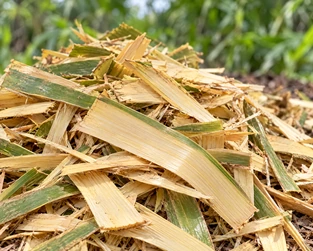
A project should begin with the downstream product specification. Bamboo residues destined for biomass fuel or pelletizing usually need a controlled particle size and moisture condition that supports stable forming. Bamboo strips or shoots intended for further food processing may need to retain their shape, color or texture. These requirements can lead to different drying mechanisms, temperatures, residence times and materials of construction.
Prepare a material schedule for each stream: bamboo powder, sawdust-like fines, chips, shavings, fibers, strips or sliced shoots. Record particle dimensions, bulk density where relevant, initial moisture range, contamination, hourly feed rate and required outlet condition. If several streams will share one dryer, confirm whether they can be processed under a common operating window or whether separate campaigns and settings are necessary.
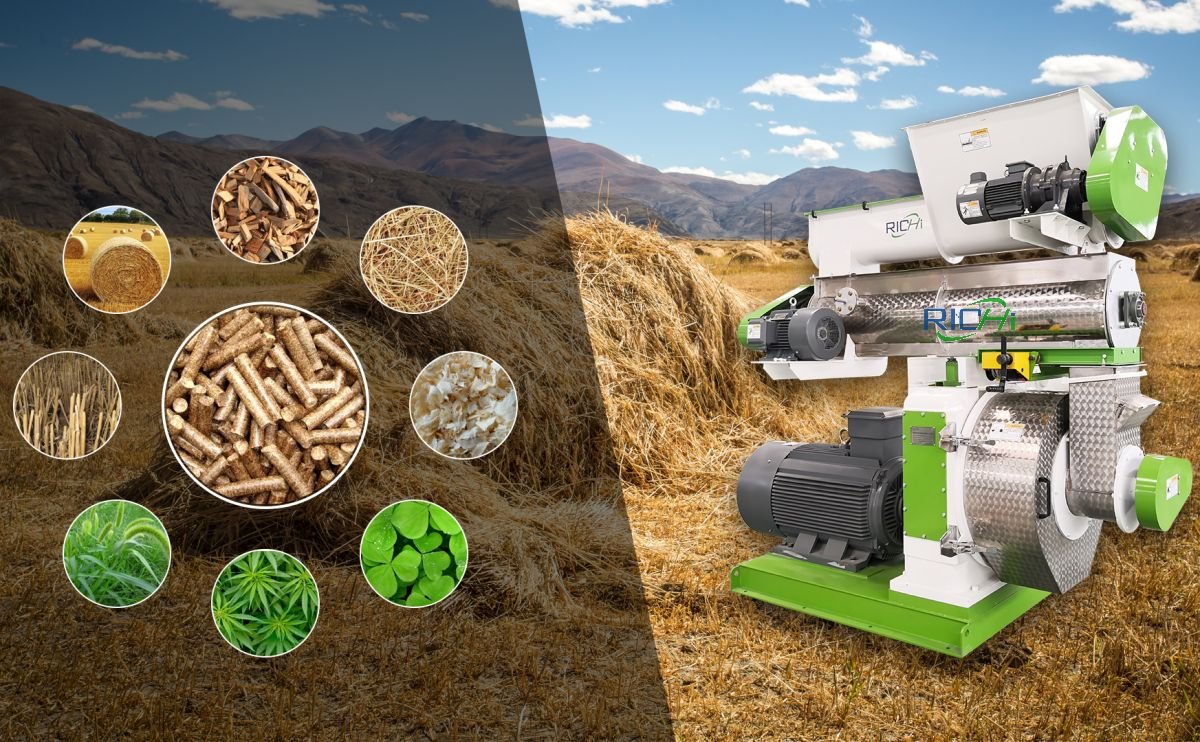
For pelletizing applications, RICHI’s page describes bamboo powder and sawdust being dried to approximately 10%–15% moisture and particle size controlled to around 3–5 mm before pelletizing. Those values are process references for the stated application. They should not be transferred to bamboo shoot drying or to products that must retain their original form. Define the required endpoint with the downstream equipment and finished-product specification.
Choose Rotary Drum or Belt Drying by Material Behavior
A rotary drum dryer lifts and tumbles material as the drum rotates. Hot air passes through the moving material, supporting heat and moisture transfer. This design is generally suitable for loose powders, chips, flakes and shavings that can tolerate agitation. It is commonly integrated with a burner and hot-air furnace; the page lists biomass, natural gas and fuel oil among possible heat sources.
A belt dryer conveys material on a mesh belt while heated air circulates through the material bed. The more controlled conveying action can be useful for bamboo fibers, strips and bamboo shoots where preserving shape or appearance matters. Multi-layer belts increase drying area within a compact footprint. Depending on the configuration, electric or steam heating may be used, so existing site utilities can influence the choice.
Do not choose between the two types by nominal capacity alone. Compare the material’s tolerance for tumbling, required drying uniformity, floor area, heat-source availability, cleaning needs and operator capability. A drum dryer may be a practical choice for bulk powder but unsuitable for fragile slices. A belt dryer may protect product shape but requires reliable belt tracking, air distribution and access to each layer.
Calculate the Water-Removal Duty Before Sizing Equipment
The dryer must be sized from the mass of water to remove per hour, not simply from the wet-material feed rate. Establish the incoming wet-feed rate, initial moisture and target outlet moisture using a consistent moisture basis. The dry-solids flow remains approximately constant, while the difference between incoming and outgoing total mass represents the water removed. This calculation provides the basis for thermal-duty estimates and comparisons between dryer configurations.
Moisture variation can be more important than the average value. Bamboo residues from different processing lines or storage conditions may arrive at different moisture levels. A system sized only for the average can become a bottleneck when a wetter batch arrives. The project should define the normal operating range and the maximum design condition, then assess whether feed-rate control, buffer storage or a different heat-source capacity is needed.
Thermal performance also depends on inlet air conditions, exhaust temperature, airflow, residence time, insulation and material distribution. Record the heat-source type and its delivered cost. A biomass furnace may use suitable bamboo residues, but fuel preparation, feeding, ash removal, combustion maintenance and safety still have to be included in the operating plan.
Integrate the Dryer With the Upstream Preparation Route
Whole bamboo stalks and long strips generally need cutting or crushing before they enter a rotary drum. RICHI’s product information notes that drum dryers cannot directly process bamboo in its original whole dimensions; the material must first be sliced or shredded. For pelletizing, the prepared material is typically reduced to a powder-like consistency of approximately 3–5 mm. A belt dryer may be configured for longer strips or fibers where retaining their form is part of the process objective.
The receiving and feeding system should deliver material evenly. Oversized pieces, wet clumps or sudden surges can change residence time and drying uniformity. Use suitable chippers, crushers, screens, metering conveyors and buffer bins according to the raw-material condition. If a line processes both wet chips and dry powder, separate feeding routes or controlled blending may help maintain stable dryer loading.
Cleaning and dust management should be planned before the layout is finalized. Stones, metal and other contaminants can damage upstream equipment, while fines can become airborne at transfer points. Identify screens, magnetic separation where appropriate, extraction points, duct routes, filters and safe dust discharge. Provide access for inspection and cleaning without requiring operators to dismantle adjacent equipment.
Coordinate Heat, Airflow and Electrical Interfaces
A rotary drum system requires a hot-air furnace and burner. Confirm the selected fuel, fuel storage and handling, combustion air, burner control, furnace access, exhaust route and ash-removal arrangements. If the site intends to use biomass fuel, verify that the available residue can supply the required heat consistently and that its own moisture and particle size are suitable for the furnace.
A belt dryer may use electric or steam heating. For steam heating, verify boiler capacity, steam pressure and quality at the dryer, condensate return, traps, piping, insulation and safety devices. For electric heating, confirm the installed electrical capacity and operating tariff. Compare options using delivered energy cost and reliability over the expected operating schedule, not only the equipment purchase price.
The electrical load schedule should include the dryer drive, fans, circulation fans, conveyors, feeders, dust collector, heat-source auxiliaries and control system. Define motor starting, protection, cable routing, earthing, emergency stops and interlocks. The control system should coordinate upstream feeding with dryer status so that material is not continuously delivered when the dryer or discharge conveyor has stopped.
Design the Installation Around Access and Product Flow
A practical general arrangement should show receiving, size reduction, metering, drying, exhaust and dust collection, intermediate storage and the next process stage. Confirm floor levels, foundations, anchor positions, building height, lifting routes and clearances for removing motors, fans, belt sections or drum components. A compact arrangement can reduce building area but increase maintenance time if critical parts cannot be reached.
For a rotary drum, provide access to support rollers, roller rings, drive components, seals, internal lifting plates and the hot-air connection. The product page describes cast-steel support rollers and roller rings, a variable-frequency drive and removable lifting plates. These components should be accessible for inspection and replacement. For a belt dryer, plan access to mesh belts, tensioning devices, drive rollers, circulation fans, filters and each drying layer.
The interface register should identify who supplies civil works, steel platforms, transformer, distribution panels, external conveyors, heat source, fuel handling, exhaust ductwork, dust collection, installation lifting equipment and field wiring. Agreeing these boundaries before construction reduces the risk of missing utilities or access structures when the dryer arrives.
Commission With Representative Bamboo and Defined Acceptance Tests
Before loaded operation, inspect mechanical installation, alignment, drive components, lubrication, guards, belt tracking where applicable, fan rotation, filters, sensors, exhaust connections and emergency stops. Test the control sequence and safe shutdown logic. Where permitted by the equipment procedure, conduct no-load checks before introducing material.
Use representative bamboo from the buyer’s normal supply. Record material form, particle dimensions, incoming moisture, feed rate, heat-source settings, inlet and exhaust temperatures, airflow indicators, drum or belt speed, outlet moisture and power or fuel consumption. Sample the discharge at defined intervals and across the width of a belt where relevant. A single sample from one point may miss uneven drying.
Acceptance should specify the test duration, inlet-material condition, outlet-moisture range, throughput, product quality, utility conditions and sampling method. For bamboo shoots or strips, include the required appearance and texture checks. For pelletizing feedstock, confirm particle size and moisture after drying and then verify that the downstream pellet process can operate consistently. If the result is outside specification, investigate feed distribution, heat supply, airflow and residence time before changing several settings at once.
Establish a Routine for Stable Operation
Operators should record incoming moisture, feed rate, outlet moisture, heat-source condition, fan status, temperature readings, belt or drum speed, dust escape and abnormal noise each shift. Maintenance staff should inspect support rollers, roller rings, bearings, drive components, belts, tensioning, fans, filters, seals and safety devices according to the equipment manual and actual operating severity.
Cleaning is especially important where bamboo powder or fibers accumulate. Build-up can obstruct airflow, alter material distribution or create local hot and damp areas. Isolate equipment before cleaning and use the site’s approved procedures for dust and fire safety. Keep a maintenance log covering operating hours, inspections, lubrication, replaced components, alarms, downtime and corrective actions.
Spare-parts planning should reflect the selected dryer type. A rotary system may require attention to rollers, bearings, seals, drive parts and lifting plates; a belt system may require mesh sections, tensioning and drive components, bearings, fans and sensors. Keep model and component identification records so that replacements can be specified accurately.
Conclusion: Specify the Material, Heat Source, and Downstream Duty Together
A suitable bamboo dryer machine is selected by matching the material’s physical form with the required drying result and the site’s utility conditions. Rotary drums suit loose powders and chips that can tolerate tumbling, while belt dryers offer a gentler route for strips, fibers and bamboo shoots. The project must also balance preparation, heat generation, airflow, dust collection, maintenance access and downstream capacity.
For the available rotary and belt configurations, review the RICHI bamboo dryer machine range. Prepare representative samples, initial moisture, target outlet condition, hourly throughput, material dimensions, heat source and site layout before finalizing the equipment scope.