

Indonesia is one of the world’s most biomass-rich nations. With vast plantations of palm trees, rubber, coconut, and rice fields stretching across thousands of islands, the country generates enormous volumes of agricultural residue every year. Deploying a high-performance biomass pellet machine in this environment offers tremendous potential — not just for energy production, but for waste management, rural employment, and export revenue.
Indonesia’s Biomass Potential: A Resource-Rich Opportunity
Few countries in Southeast Asia can match Indonesia’s biomass diversity. Key feedstocks available in abundance include:
- Palm kernel shells (PKS) — One of the most in-demand biomass fuels in Asia and Europe
- Rice husks — Widely available across Java, Sumatra, and Sulawesi
- Sugarcane bagasse — Generated in large quantities during sugar processing
- Rubber wood waste — Ideal for wood pellet production after plantation renewal
- Coconut shells and husks — High calorific value, excellent for premium pellets
These materials are often discarded or burned openly, contributing to pollution. Converting them into pellets through a well-designed biomass pellet line in Indonesia creates real economic value while addressing environmental challenges.
How a Biomass Pellet Line Works in Tropical Conditions
Operating pellet equipment in tropical climates like Indonesia comes with specific challenges: high ambient humidity, variable feedstock moisture, and heat-related equipment stress. A professionally engineered production line accounts for all of these factors.
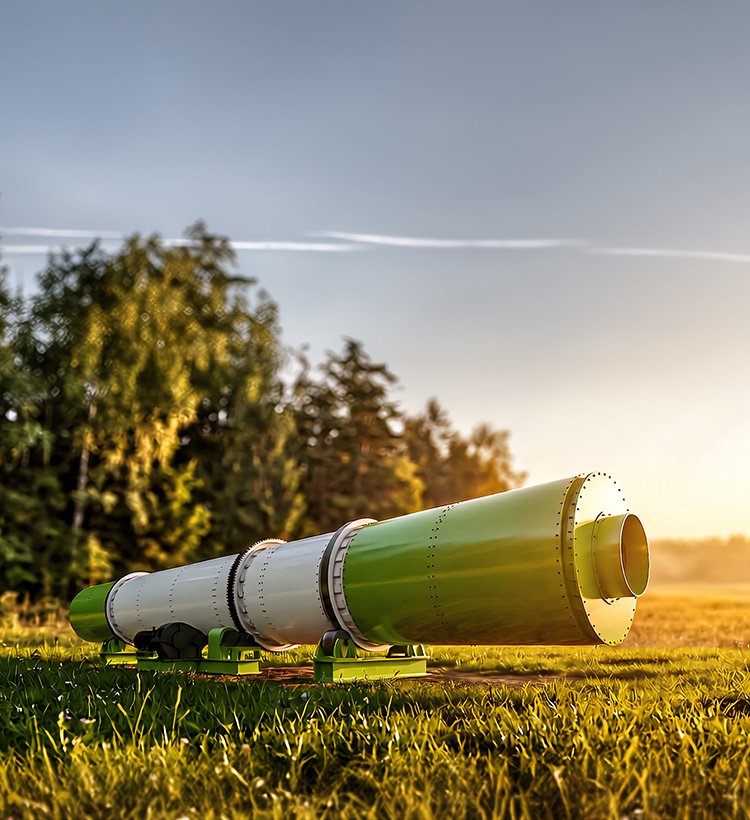
The process typically begins with size reduction — chipping or grinding raw materials to a consistent particle size. Because tropical biomass often arrives with high moisture content (sometimes exceeding 40%), robust drying systems are essential before pelletizing. A rotary drum dryer is commonly used at this stage.
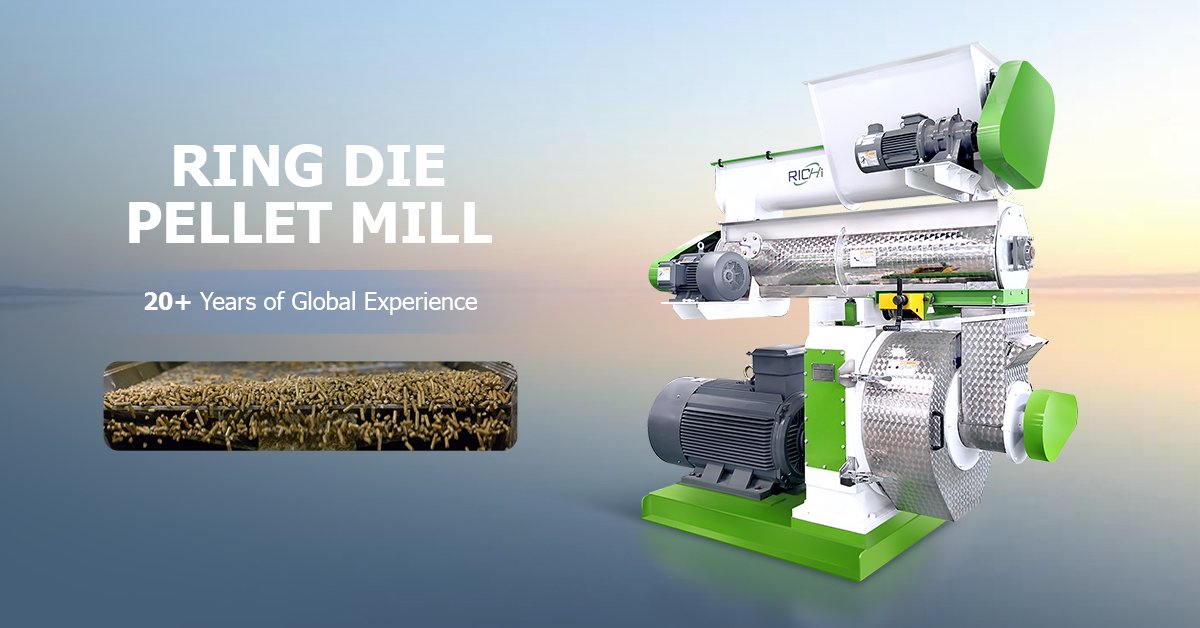
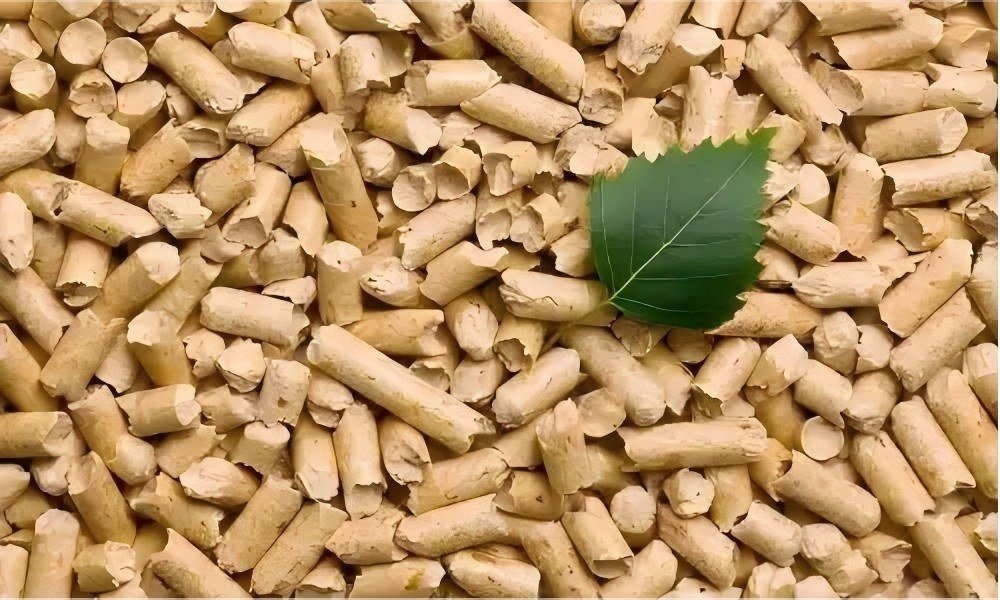
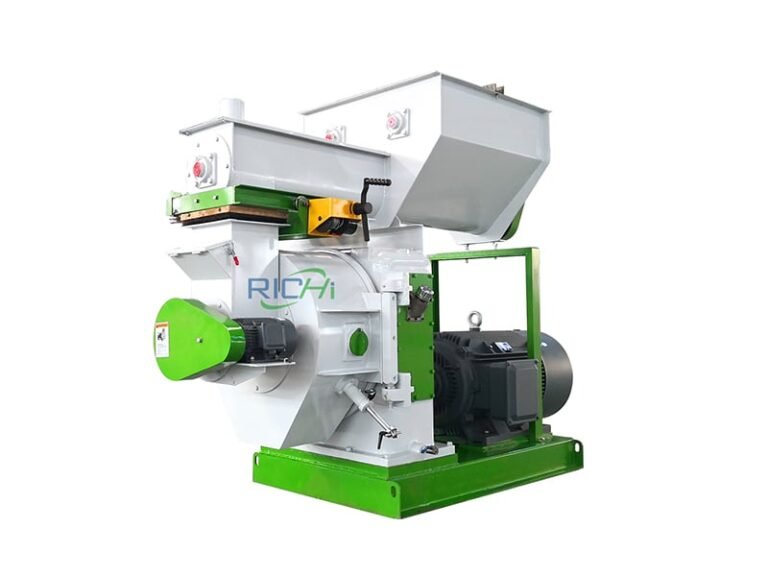
After drying, material enters the pellet mill, where it is compressed under intense mechanical pressure through a ring die. The pellets emerge hot and slightly soft, requiring immediate cooling through a counterflow cooler before they can be safely packaged and stored.
For businesses entering this space for the first time, accessing detailed technical guidance is critical. Visit this link to consult directly with engineering specialists who can assess your raw material conditions and design a line optimized for your specific region and output targets.
Applications of Biomass Pellets in Indonesia and Beyond
Biomass pellets produced in Indonesia serve a wide range of end markets:
Domestic Use:
- Replacing coal in small industrial boilers
- Fuel for drying kilns in food processing and tobacco industries
- Heating fuel for commercial facilities in cooler highland regions
Export Markets:
- Japan and South Korea — both major importers of wood and agricultural pellets
- European Union — strict sustainability certification (SBP, FSC) required
- China — growing demand for biomass co-firing with coal
Indonesian pellet producers who can meet international quality and certification standards stand to benefit enormously from long-term supply contracts with overseas buyers.
Why Equipment Quality Determines Your Success
In the competitive global pellet market, product consistency is everything. Buyers demand pellets with specific calorific values, ash content, and moisture levels — any deviation can result in rejected shipments or contract cancellations. This is why equipment quality is non-negotiable.
Working with Richi Manufacture gives Indonesian investors access to engineering-grade pellet equipment built for high-throughput, continuous operation. Their machines are designed with wear-resistant alloy components, automated control systems, and modular configurations that simplify maintenance and scaling.
From project consultation and equipment supply to installation supervision and operator training, a full-service approach ensures your facility achieves nameplate capacity quickly and reliably.
Start Your Biomass Pellet Project in Indonesia Today
Indonesia’s biomass sector is at an inflection point. Government bioenergy policies, rising global pellet prices, and an abundance of underutilized feedstocks have created ideal conditions for new investment. Whether you’re planning a small community pellet unit or a large export-grade facility, the technology and expertise are available to make it a success.
Connect with specialists today and take the first step toward building a profitable, sustainable biomass pellet business in one of Asia’s most resource-rich countries.
https://www.richimanufacture.com/biomass-pellet-making-machine/