

WA Complete Guide to Choosing Biomass Pellet Equipment for German Energy Projects
Introduction
Germany has always been one of the most active markets in renewable energy development. With strong environmental policies, advanced manufacturing industries, and increasing demand for sustainable fuel sources, biomass energy has become an important part of the country’s energy transition strategy.
Among various biomass solutions, pellet production has attracted significant attention because it provides an effective method to transform agricultural residues, forestry waste, and industrial by-products into standardized renewable fuel.
However, selecting suitable pellet production equipment is not a simple decision. Different projects have different requirements depending on raw materials, production capacity, energy consumption targets, and final product applications.
A small agricultural business processing local waste materials may require a completely different solution compared with a large industrial fuel producer. Therefore, understanding equipment structure, production processes, and investment considerations is essential before building a biomass pellet project.
For companies planning projects in Germany or other European markets, choosing a reliable german wood pellet machine can significantly influence production efficiency, operating costs, and long-term profitability.
Understanding Germany’s Biomass Pellet Market
Germany has a strong foundation for biomass utilization due to its developed forestry industry, agricultural sector, and renewable energy infrastructure.
Large quantities of biomass resources are generated every year, including:
- Forestry residues
- Sawdust
- Wood chips
- Agricultural straw
- Crop processing waste
Traditionally, some of these materials were treated as low-value waste. Today, advanced processing technology allows companies to convert them into valuable pellet fuel.
The growth of biomass pellet production is driven by several factors:
Energy Security
The demand for locally produced renewable fuel has increased as many countries seek more stable energy supply solutions.
Domestic biomass resources provide an opportunity to reduce dependence on imported energy sources.
Environmental Requirements
European industries are under increasing pressure to reduce carbon emissions.
Biomass pellets provide an alternative fuel option that supports cleaner energy production when produced from sustainable resources.
Commercial Opportunities
The pellet market creates opportunities for:
- Forestry companies
- Agricultural businesses
- Fuel suppliers
- Energy producers
By establishing efficient production systems, companies can develop new revenue channels from existing biomass resources.
Key Factors Before Selecting Pellet Equipment
Choosing equipment requires a complete understanding of the project conditions.
Many companies make decisions based only on machine price, but long-term operation depends on much more than initial investment.
Raw Material Analysis
The characteristics of biomass materials directly affect pellet production.
Important factors include:
Moisture Content
Suitable moisture levels are necessary for effective compression.
Too much moisture can reduce pellet strength, while insufficient moisture may increase energy consumption during production.
Particle Size
Raw materials usually require crushing before pelletizing.
Uniform particle size improves:
- Material feeding
- Compression performance
- Final pellet quality
Material Type
Different materials have different pelletizing characteristics.
For example:
- Wood materials generally contain natural lignin that helps binding.
- Straw materials may require additional preparation.
- Agricultural residues may need customized processing solutions.
A detailed raw material analysis helps determine the most suitable equipment configuration.
Production Capacity Planning
Another important factor is production capacity.
Businesses should evaluate:
- Current market demand
- Future expansion plans
- Available raw materials
- Investment budget
A production system that is too small may limit future growth, while an oversized system may create unnecessary investment pressure.
Small projects may focus on flexible operation and lower costs, while industrial projects usually require continuous high-capacity production.
For example, a company producing fuel pellets for regional heating markets may choose a different configuration compared with an international supplier exporting large quantities of pellets.
Main Components of a Modern Pellet Production System
A complete biomass pellet production system usually includes multiple processing stages.
Crushing System
The crushing process reduces raw materials into suitable particle sizes.
A high-quality crushing system improves:
- Production stability
- Energy efficiency
- Pellet consistency
Drying System
Some biomass materials contain excessive moisture and require drying before pelletizing.
Drying equipment helps maintain proper moisture levels and improves production efficiency.
Pelletizing Equipment
The pelletizing stage is the core process.
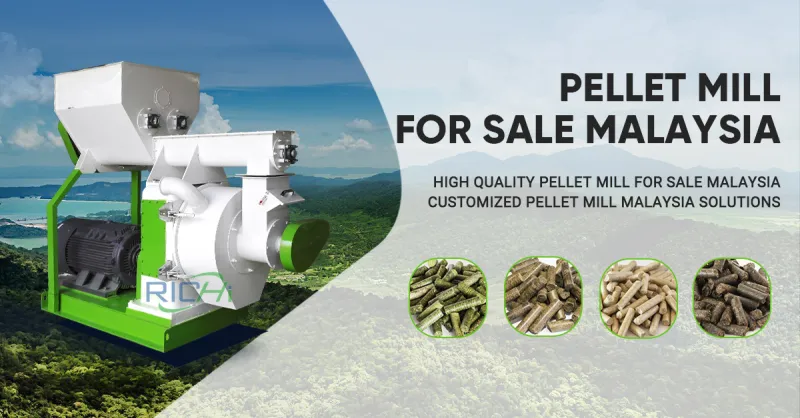
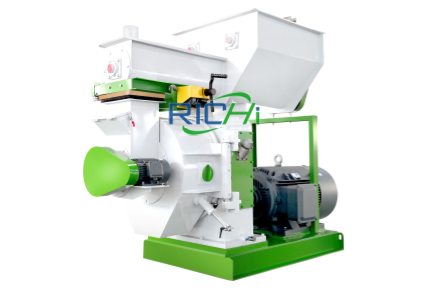
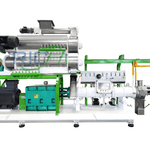
During compression, biomass particles are pressed through a die under high pressure, forming dense cylindrical pellets.
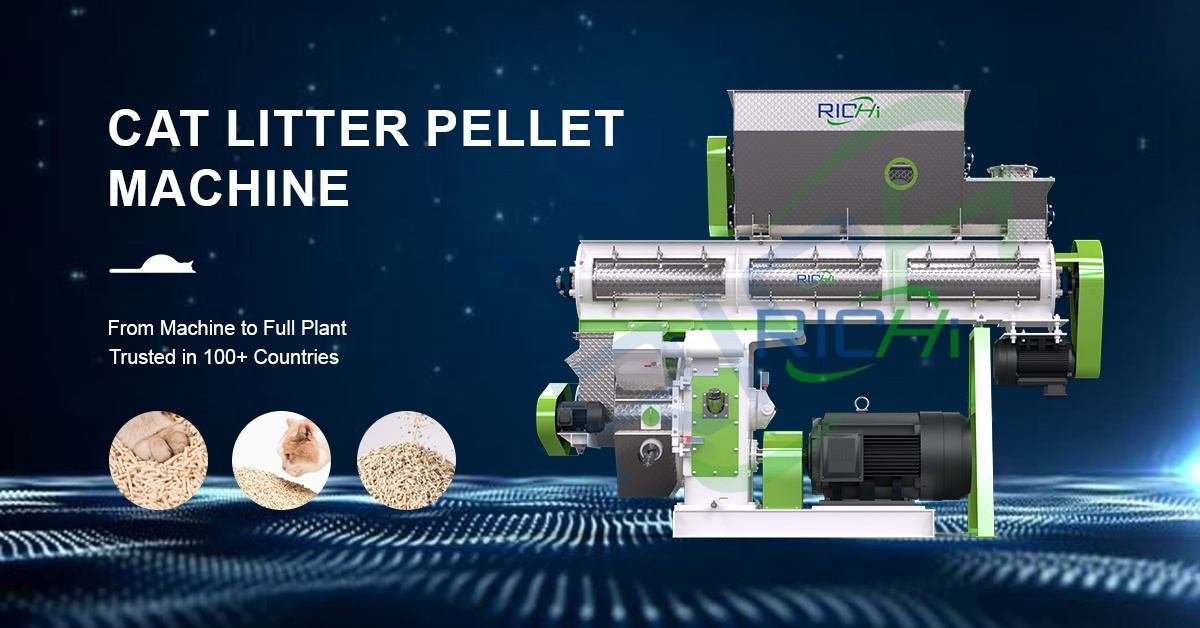
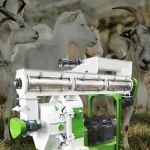
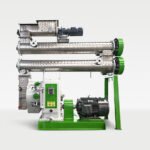
A professional wood chip pellet maker is often selected for processing wood residues because it can effectively handle materials such as chips and sawdust.
Cooling and Screening System
After pelletizing, hot pellets need cooling.
Cooling improves:
- Pellet hardness
- Storage stability
- Transportation performance
Screening equipment removes broken particles and ensures consistent product quality.
Packaging System
For commercial sales, automatic packaging improves efficiency and reduces manual labor requirements.
How to Evaluate Equipment Quality
Equipment quality directly affects production performance.
Companies should consider several technical aspects.
Machine Structure
A well-designed machine should provide:
- Stable operation
- Easy maintenance
- Strong durability
The structure should be suitable for continuous industrial production.
Component Quality
Important components include:
- Bearings
- Motors
- Gear systems
- Compression parts
High-quality components reduce failure risks and extend service life.
Automation Level
Modern biomass projects increasingly use automation technology.
Automatic systems can monitor:
- Production parameters
- Machine operation
- Energy consumption
- Maintenance requirements
This allows operators to manage production more efficiently.
Cost Considerations for German Biomass Projects
Investment planning should include both initial and long-term costs.
Equipment Investment
The equipment cost depends on:
- Production capacity
- Configuration requirements
- Automation level
- Supporting systems
A complete production line generally requires a higher investment than a single machine but provides better overall efficiency.
Operating Costs
Long-term profitability depends on:
- Electricity consumption
- Labor requirements
- Maintenance costs
- Raw material expenses
Efficient equipment can reduce operational pressure over many years.
Return on Investment
Businesses should calculate potential returns based on:
- Pellet selling price
- Production volume
- Raw material availability
- Market demand
A carefully planned project has greater potential for stable profitability.
The Importance of Professional Technical Support
Building a biomass pellet project involves many technical decisions.
Professional suppliers can assist with:
- Production line design
- Equipment selection
- Installation guidance
- Operator training
- After-sales support
Experienced manufacturers understand different market requirements and can provide customized solutions.
Many investors research equipment suppliers through industry resources and technical platforms. Some companies also review additional industry explanation materials before making final decisions.
Future Trends of Biomass Pellet Equipment in Germany
The German biomass industry continues to move toward higher efficiency and smarter production.
Future equipment development will focus on:
Intelligent Control Systems
Automation and digital monitoring will become more common.
Smart systems can help improve:
- Production accuracy
- Energy management
- Maintenance planning
Flexible Raw Material Processing
Future equipment will need to process a wider variety of biomass materials.
This allows companies to use more available resources and reduce dependence on specific raw materials.
Lower Energy Consumption
Energy efficiency will remain a key focus.
Manufacturers are developing technologies that improve output while reducing power consumption.
Companies searching for complete solutions often compare different suppliers and configurations before investing in a professional pellet plant designed for long-term operation.
Conclusion
Selecting the right pellet production equipment is one of the most important decisions for any biomass energy project in Germany.
Successful projects require careful consideration of raw materials, production capacity, equipment quality, operating costs, and future market development.
With the continued growth of renewable energy demand, efficient biomass pellet systems will play a major role in transforming waste resources into valuable clean fuel.
By choosing suitable technology and developing a well-planned production strategy, businesses can achieve stable operation and create sustainable opportunities in the growing biomass energy market.
Related Post: https://pelletizerequipment.com/hay-pellet-machine-for-sale/