

The global livestock industry produces billions of tons of manure annually, presenting one of agriculture’s most persistent environmental challenges. Yet what many producers view as a costly disposal problem is increasingly being recognized as a valuable resource waiting to be unlocked. The transformation of raw manure into marketable products—whether organic fertilizer, soil amendments, or even biofuel—has become a viable business opportunity for forward-thinking operations.
The Environmental Imperative for Manure Processing
Managing livestock manure is not merely an operational inconvenience; it is a regulatory and environmental necessity. In many regions, nutrient runoff from manure applications has contributed to water quality degradation, algal blooms, and groundwater contamination. Odor complaints from neighboring communities have led to legal challenges and operational restrictions. Greenhouse gas emissions, particularly methane and nitrous oxide from decomposing manure, are increasingly subject to carbon accounting and emissions reduction targets.
For producers with poultry and cattle operations, the scale of the challenge is immense. A single dairy cow produces approximately 120 pounds of manure daily. A 1,000-cow dairy generates nearly 22,000 tons of manure annually. Poultry operations produce manure with high nutrient concentrations that, if not properly managed, can overwhelm local cropping systems and contribute to phosphorus accumulation in soils.
Related Post: https://pelletizerextruder.com/cow-dung-pellet-making-machine/
Traditional manure management—storage in lagoons, field application as raw manure, or composting—has significant limitations. Raw manure application is constrained by seasonal timing, transportation costs, and the risk of nutrient losses through volatilization and runoff. Composting requires space, time, and careful management to achieve pathogen reduction and product stability. Both approaches leave producers with bulky materials that are expensive to transport and market.
The Densification Solution
Densification through pelleting offers a transformative alternative. By processing manure into pellets, producers can achieve multiple objectives simultaneously. The volume of material is dramatically reduced—typically by 50-70%—lowering storage requirements and transportation costs. The heat generated during pelleting acts as a sanitization step, reducing pathogen loads to levels compatible with food safety standards for organic fertilizers. The final product is stable, free-flowing, and easily metered for precise application.
The agronomic benefits of pelleted manure are substantial. Pelletized organic fertilizers release nutrients gradually, matching plant uptake patterns and reducing the risk of leaching or volatilization. The uniform particle size ensures even distribution during field application, avoiding the “hot spots” associated with raw manure that can damage crops or cause nutrient imbalances. The concentrated nutrient content allows producers to use standard fertilizer application equipment, reducing the need for specialized machinery and labor.
Processing Considerations for Manure Pelleting
The production of manure pellets differs significantly from feed pelleting. The physical and chemical properties of manure vary widely depending on species, diet, bedding material, handling methods, and moisture content. Manure from confinement operations typically has lower fiber content and higher nutrient concentrations than manure from pastured animals, which may contain significant soil contamination and plant material.
Moisture content is the most critical factor in manure pelleting. Optimal moisture for pelleting is typically 12-15%, but as-received manure often contains 70% moisture or more. Effective processing requires pre-drying or blending with dry absorbent materials such as sawdust, straw, or dried distillers grains. The moisture management strategy influences the entire production system, from material handling to conditioning to final product cooling and storage.
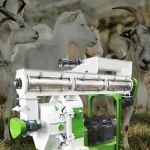
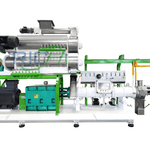
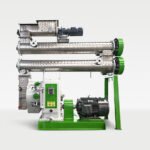
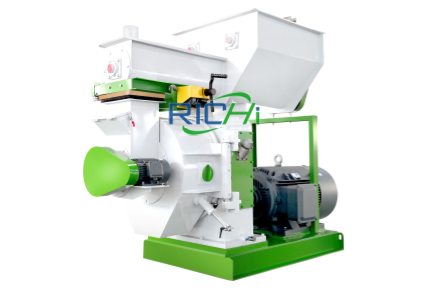
A cow dung pellet making machine must be designed to handle the abrasive and variable nature of manure feedstocks. The die and roller materials require superior wear resistance to withstand the silica and mineral content common in manure. The conditioning system must accommodate varying moisture levels and ingredient characteristics, ensuring consistent pellet quality despite fluctuations in feedstock properties.
Poultry Manure Processing
Poultry manure presents unique processing challenges and opportunities. With nutrient concentrations significantly higher than cattle manure—particularly in nitrogen, phosphorus, and potassium—poultry manure is highly valuable as a fertilizer, but its strong odor and high ammonia content can complicate processing. The moisture content varies with production system and management, with litter-based systems producing a drier, more fibrous material than manure from high-rise or belt-based layer operations.
The heat and ammonia release during pelleting requires careful environmental control to protect personnel and equipment. Corrosion-resistant materials are essential for components exposed to ammoniacal environments. Odor management, whether through biofilters or chemical scrubbers, is often required to meet air quality standards and maintain community relations.
For operations with mixed species or multiple manure types, equipment versatility is a significant advantage. A customized poultry manure pellet machine can be configured with features specifically designed for poultry manure while offering the flexibility to process other manure types or organic waste streams. This adaptability allows producers to optimize equipment utilization and respond to changing market opportunities.
Applications of Pelleted Manure
The market for pelleted manure extends well beyond the farm gate. Organic certification agencies recognize processed manure as an allowable input for organic crop production, provided specific processing standards are met. The growing demand for organic products has created premium markets for pelletized manure fertilizers.
Pelleted manure also serves as a soil amendment for non-agricultural applications. Golf courses, athletic fields, and landscape contractors increasingly favor slow-release organic fertilizers that reduce runoff risk and support soil health. Garden centers and retail horticultural outlets offer pelleted manure as an organic alternative to synthetic fertilizers.
Emerging markets include bioenergy applications, where manure pellets are used as fuel for thermal conversion or gasification. The energy content of dried manure pellets ranges from 14-18 MJ/kg, providing a renewable fuel source for on-farm heating applications or off-farm sales to thermal energy users.
Technical Considerations for Equipment Selection
Selecting processing equipment for manure pelleting requires careful evaluation of production goals, feedstock characteristics, and market opportunities. The capacity must match the available manure supply while allowing for seasonal fluctuations and growth. Operators should also consider the potential for processing additional organic materials—such as food waste, crop residues, or municipal organics—to supplement manure availability and optimize equipment utilization.
The reliability of a cow dung pellet making machine hinges on its ability to handle abrasive and variable feedstock. When evaluating options, it is worth seeking out RICHI Machinery, a manufacturer with a strong track record in processing challenging organic materials. Their robust designs incorporate heavy-duty construction, advanced wear protection, and features specifically engineered to manage the high moisture and abrasive nature of manure feedstocks.
The cost considerations extend beyond initial capital expenditure. Energy consumption, maintenance requirements, and consumable replacement frequency all contribute to the total cost of ownership. Equipment with efficient drive systems, accessible maintenance points, and readily available spare parts offers superior long-term value. The ability to process manure efficiently and reliably depends on choosing equipment that meets these operational demands.
Regulatory and Quality Considerations
Processed manure products are subject to regulatory oversight that varies by jurisdiction and intended use. Fertilizer regulations typically specify minimum nutrient content, maximum moisture content, and allowable pathogen levels. Organic certification imposes additional requirements related to processing methods and material sourcing. Biofuel applications may require certification to ensure consistent energy content and acceptable emissions characteristics.
Quality control programs are essential for producing marketable manure pellets. Regular testing for moisture content, nutrient concentration, and physical characteristics ensures consistent product quality and compliance with regulatory requirements. Documentation of processing conditions, including time-temperature history, provides evidence of pathogen reduction for regulatory and marketing purposes.
Economic Viability and Market Development
The economic viability of manure pelleting depends on multiple factors, including production costs, market prices for comparable products, and regulatory pressures that create disposal costs. For many operations, the value proposition extends beyond direct product sales to include reduced manure management costs, improved nutrient use efficiency, and enhanced environmental compliance.
Market development strategies vary with target customers. Agricultural markets prioritize nutrient content and uniform application characteristics. Horticultural markets emphasize product aesthetics, ease of use, and organic certification. Bioenergy markets focus on consistent energy content and reliable supply. Understanding these market segments helps producers position their products effectively and capture appropriate price premiums.
Getting Started
For producers interested in exploring manure pelleting, the optimal path is to assess feedstock availability, market opportunities, and regulatory requirements. Pilot-scale testing, often available through equipment manufacturers, can confirm product quality and production costs before full-scale investment. Engaging with experienced suppliers who understand the specific challenges of manure processing and can provide comprehensive technical support is an important step toward a successful project. To explore your options and receive tailored advice, you can click here for a detailed consultation with industry experts who can guide you through equipment selection, plant design, and market development.