
Walk into any agricultural region on Earth—the plains of Kansas, the rice paddies of Jiangsu, the sugarcane fields of São Paulo—and you will see the same thing: mountains of crop residue, left behind after harvest, slowly decomposing in the open air. For centuries, farmers treated this material as a nuisance. They burned it, buried it, or simply walked away. But in the last decade, something has shifted dramatically. What was once considered garbage is now one of the fastest-growing segments of the global renewable energy industry. Agricultural waste pelletizing—the process of compressing crop residues into dense, uniform fuel or feed pellets—is expanding at a pace that has surprised even the most optimistic analysts. The global biomass pellet market was valued at approximately USD 10.2 billion in 2024 and is projected to exceed USD 18.7 billion by 2032, growing at a compound annual growth rate of nearly 8%. This is not a fringe trend. It is a structural transformation of the rural economy, driven by converging forces of policy, technology, economics, and environmental urgency.
At the heart of this transformation sits a single piece of equipment: the straw pellet machine. Without it, none of this growth would be possible. This article explores in depth why agricultural waste pelletizing is accelerating so rapidly, what is fueling the demand, how the technology has evolved, and what challenges remain.
The Scale of the Opportunity: Waste on a Global Scale
To understand why pelletizing is booming, you first need to appreciate the sheer volume of material available. According to the Food and Agriculture Organization of the United Nations, global agriculture produces over 4.5 billion tons of crop residues every year. Of this, roughly 1.5 billion tons are classified as “waste”—materials with no immediate use that are typically burned, buried, or left to rot.
Let us put that number in perspective. If you stacked 1.5 billion tons of straw, it would wrap around the Earth’s equator more than 200 times. This is not a shortage problem. This is an abundance problem—and abundance, when paired with the right technology, becomes opportunity.
The key insight is this: agricultural residues are not useless. They are rich in energy. Wheat straw contains approximately 16–18 MJ/kg of energy. Rice husk contains up to 20 MJ/kg. Corn stover delivers around 17 MJ/kg. These numbers are comparable to low-grade coal, but with a fraction of the carbon emissions. The only missing piece has always been an efficient way to collect, compress, and transport this low-density material. That is where the straw pellet machine comes in.
Why Now? Five Forces Driving Rapid Growth
The pelletizing industry did not appear overnight. It has been around for decades. What has changed is that five powerful forces have converged simultaneously, creating a perfect storm of growth.
1. Government Policy and Subsidies
Governments around the world are actively pushing biomass energy as a cornerstone of their renewable energy strategies. The European Union’s Renewable Energy Directive (RED III) mandates that 49% of energy from renewable sources must come from biomass by 2030. China’s 14th Five-Year Plan explicitly targets biomass pellet production as a pillar of rural revitalization. In the United States, the Inflation Reduction Act of 2022 provides tax credits of up to $1.01 per gallon for biomass-based diesel and heating fuel. India’s National Policy on Biofuels offers capital subsidies of up to ₹50 lakh for small-scale pellet plants.
These are not symbolic gestures. They are reshaping investment flows. In 2024 alone, over $2.3 billion in new capital was directed toward biomass pellet production facilities globally, with the majority going to agricultural residue feedstocks.
2. The Climate Imperative
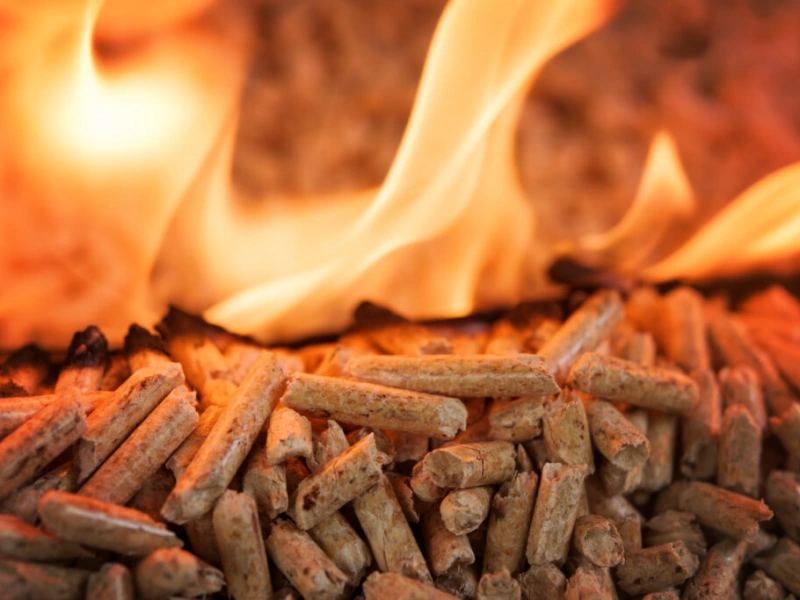
The urgency of climate change has made biomass pellets one of the few scalable, immediately deployable alternatives to fossil fuels. Biomass pellets are considered carbon-neutral: the CO₂ released during combustion is roughly equal to the CO₂ absorbed by the plant during its growth cycle. Compared to coal, greenhouse gas emissions from biomass pellets can be reduced by up to 90%. There is no sulfur dioxide, no heavy metals, and virtually no particulate matter when modern combustion systems are used.
In 2024, the European Union’s carbon border adjustment mechanism (CBAM) began imposing tariffs on high-carbon imports. This has created a direct economic incentive for industries to switch from coal to biomass pellets. A cement plant in Germany that switched from coal to straw pellets reduced its carbon footprint by 72% and saved €1.8 million in carbon taxes in its first year.
3. The Energy Price Crisis
The global energy price shock of 2022–2023 fundamentally changed how industries think about fuel. Natural gas prices in Europe spiked to over €300 per MWh. Oil surged past 120perbarrel.Inthisenvironment,biomasspellets—pricedatroughly100–$180 per ton—suddenly looked incredibly attractive. Industrial boilers that once ran on natural gas are now being retrofitted for pellet fuel. In Sweden, over 40% of residential heating now comes from biomass pellets, up from just 12% a decade ago.
For farmers, the math is equally compelling. Selling straw as pellets generates 50to150 per ton—revenue that was previously zero. A corn farmer in Iowa who pelletizes stover can earn an extra 30to60 per acre beyond grain sales. In developing countries, this additional income can be life-changing.
4. Technological Maturity
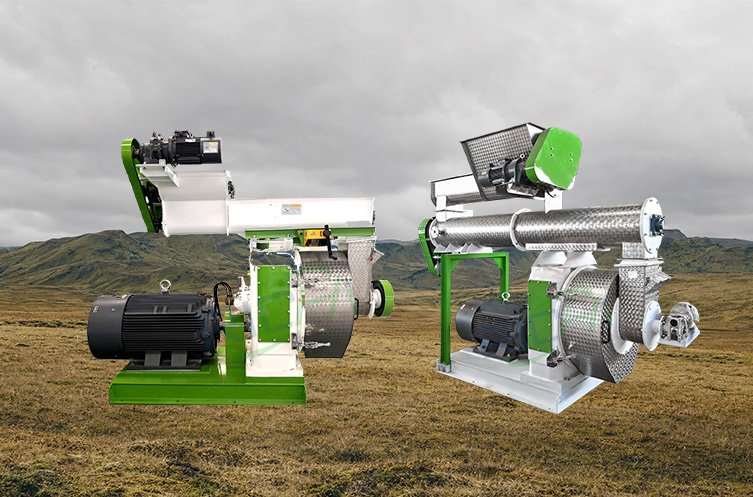
The straw pellet machine has evolved dramatically over the past 15 years. Early models were slow, unreliable, and produced inconsistent pellets. Today’s machines are engineering marvels. Modern ring-die straw pellet machines operate at capacities of 1–10 tons per hour, produce pellets with diameters of 4–12mm, and achieve mechanical durability above 97%. AI-integrated control systems now monitor compressive force, die temperature, and moisture content in real time, adjusting parameters automatically to maintain output quality.
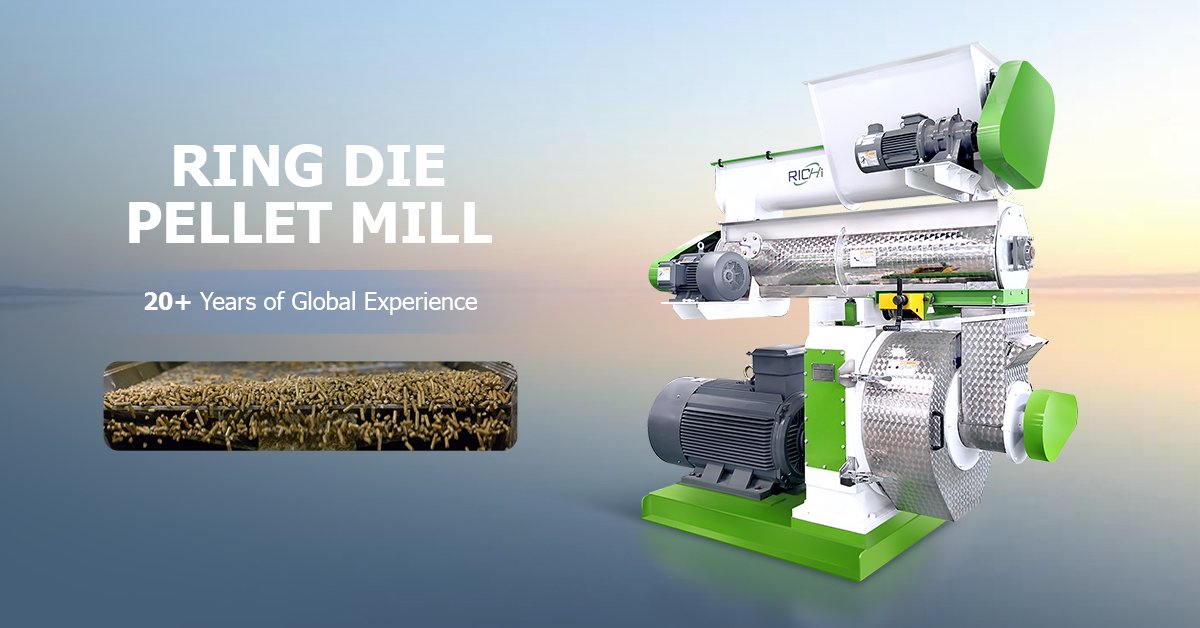
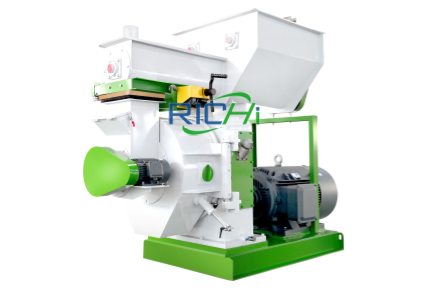
A prime example is the MZLH508 model, which features a 508mm ring die, a 90kW main motor, and a production capacity of 1.5 tons per hour. It can process wheat straw, rice straw, corn stover, cotton stalks, and a wide range of other residues with minimal die wear. Machines like this have made pelletizing accessible not just to large industrial plants, but to small farms and rural cooperatives.
5. The Circular Economy Movement
Consumers and corporations alike are demanding more sustainable supply chains. Major brands—from IKEA to Unilever—have committed to using only certified sustainable biomass in their operations. This has created a premium market for agricultural residue pellets. In 2024, certified sustainable straw pellets commanded a price premium of 15–25% over non-certified alternatives in European markets. This premium, combined with growing consumer awareness, is pulling more producers into the industry.
How the Straw Pellet Machine Works: The Technology Behind the Boom
Understanding the technology helps explain why growth is not just possible—but inevitable.
The process begins with raw material collection. Crop residues are gathered and sorted to remove contaminants like stones, plastics, and metal. This step is critical: contamination rates above 10% can destroy pellet mill dies within weeks.
https://richipelletizer.com/straw-pellet-machine-for-sale
Next, the material is crushed into fine particles (3–5mm) using a hammer mill. The particle size directly affects pellet density and durability.
Then comes drying. Moisture content must be reduced to 8–15%. High moisture causes poor binding and can lead to mold during storage. Rotary dryers, belt dryers, or solar drying systems are commonly used.
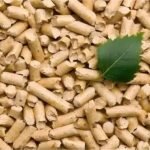
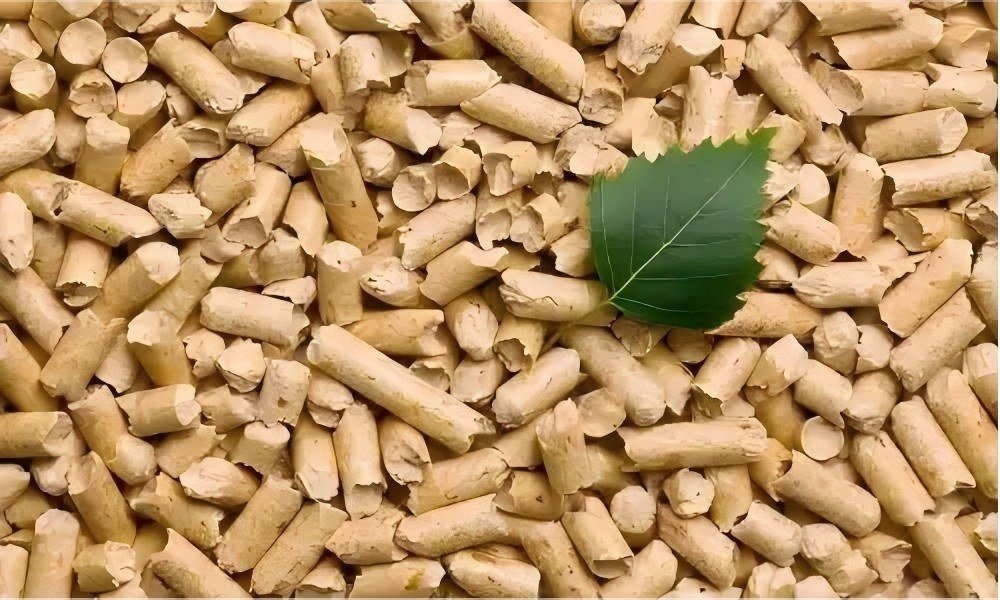
This is where the straw pellet machine takes over. The conditioned material is fed into the pelletizing chamber, where a rotating ring die drives heavy rollers to compress the material through dense, regular holes in the die. The friction between die and rollers generates heat (90–120°C), which activates the natural lignin in the biomass—acting as a glue. The material is squeezed through the die holes, emerging as continuous cylindrical columns that are cut to length by a built-in cutter.
Finally, pellets are cooled to ambient temperature using a counter-flow cooler and packaged for storage or transport.
The entire process is continuous and can be fully automated. Modern straw pellet machines are integrated with PLC-based control systems that manage every step from feeding to packaging. As of early 2025, over 17% of newly installed pellet mills worldwide feature AI-integrated sensors that track compressive force, energy consumption, and output consistency in real time.
Regional Growth Patterns
The pelletizing boom is not uniform. Different regions are growing for different reasons:
| Region | Dominant Feedstock | Growth Driver | Annual Growth Rate |
|---|---|---|---|
| Europe | Wheat straw, rapeseed stalk, wood chips | Renewable energy mandates (RED III) | 9.5% |
| North America | Corn stover, soybean stalk, switchgrass | Energy price arbitrage, carbon credits | 8.2% |
| China | Rice straw, cotton stalk, bamboo dust | Rural revitalization policy | 11.3% |
| India | Rice straw, bagasse, mustard stalk | Biofuel mandates, air pollution control | 10.7% |
| Southeast Asia | Rice husk, palm kernel shell, coffee husk | Export demand (Japan, South Korea) | 12.1% |
| South America | Sugarcane bagasse, soybean stalk | Co-generation at sugar mills | 7.8% |
| Africa | Sorghum stalk, millet straw, groundnut shell | Rural electrification, deforestation reduction | 13.4% |
Africa is the fastest-growing region, driven by the urgent need for clean cooking fuel and the availability of abundant crop residues. In sub-Saharan Africa, where 60% of energy comes from biomass (mostly wood), straw pellets produced by small-scale straw pellet machines are offering a sustainable alternative that reduces deforestation pressure.
Applications: Fuel, Feed, and Beyond
One reason pelletizing is growing so fast is the versatility of the end product. Agricultural waste pellets are not just fuel—they serve multiple markets simultaneously.
| Application | Market Share | Key Details |
|---|---|---|
| Biomass Fuel | ~65% | Used in household stoves, industrial boilers, and power plants. In Sweden, 22 municipal biomass plants co-fired straw pellets with forestry residues in 2024, reducing particulate emissions by 14%. |
| Animal Feed | ~20% | Especially for ruminants. Alfalfa straw pellets command premium prices in Argentina and Australia. |
| Animal Bedding | ~10% | Dust-free, highly absorbent. The global animal bedding pellet market is growing at 9.2% CAGR. |
| Fertilizer & Soil Amendment | ~5% | Pelletized organic matter serves as slow-release fertilizer. Widely used in Japan and South Korea. |
This multi-market applicability means that even if one market softens, producers can pivot to another—a resilience that attracts investors.
Economic Case: The Numbers Speak
Let us look at the hard economics. A mid-scale pellet plant processing agricultural waste typically requires the following investment:
| Item | Cost (USD) |
|---|---|
| Straw pellet machine (ring-die, 2 ton/h) | 80,000–150,000 |
| Hammer mill | 15,000–30,000 |
| Rotary dryer | 25,000–50,000 |
| Cooler & packaging line | 20,000–40,000 |
| Installation & commissioning | 30,000–60,000 |
| Total | 170,000–330,000 |
With raw material costs essentially zero (since the feedstock is agricultural waste), the gross margin on pellet sales typically ranges from 30% to 50%. At a production capacity of 5,000 tons per year and an average selling price of 140perton,annualrevenuereaches700,000—yielding a payback period of just 2–3 years. These returns are attracting not just farmers, but private equity firms and institutional investors.
Challenges That Remain
Rapid growth does not mean smooth sailing. The industry faces real obstacles:
- Feedstock logistics: Agricultural residues are bulky and low-density. Transporting them over long distances erodes margins. Most pellet plants operate within a 50 km radius of their feedstock source.
- Die wear: Abrasive materials like rice husk accelerate wear on pellet mill dies. Die replacement costs 3,000–15,000 and must be done every 500–1,000 operating hours depending on feedstock.
- Moisture sensitivity: Raw material moisture must be tightly controlled. A variation of just 2% can cause pellets to crumble or fail to form.
- Financing gaps: In developing countries, 37% of small-scale pellet producers report delays in scaling due to lack of access to capital.
- Quality inconsistency: Not all agricultural residues pelletize equally. Cotton stalks, for example, require higher compression force than wheat straw. Operators must match their straw pellet machine specifications to their specific feedstock.
Despite these challenges, the overall trajectory remains strongly upward. The International Energy Agency projects that biomass will supply 15% of global primary energy by 2040, with agricultural residues playing a central role.
Future Outlook: What Comes Next
Several trends will accelerate growth even further over the next decade:
- AI-optimized straw pellet machines: By 2027, an estimated 40% of new pellet mills will include machine-learning algorithms that adjust die pressure, feed rate, and moisture in real time.
- Blended pellets: Multi-material blends (e.g., 60% corn stover + 20% rice husk + 20% sawdust) are becoming standard, improving durability and calorific value.
- Carbon credit monetization: Pellet producers are registering projects under voluntary carbon markets. A 10,000-ton-per-year plant can generate 50,000–120,000 annually in carbon credits.
- Mobile pellet mills: Truck-mounted flat-die straw pellet machines are gaining popularity in Africa and Central Asia, allowing farmers to process residues on-site and eliminate transport costs.
Conclusion
Agricultural waste pelletizing is growing rapidly because everything has aligned at once: policy mandates are pushing demand, energy prices are making pellets economically irresistible, the straw pellet machine has matured into a reliable and efficient tool, and the climate crisis has made biomass one of the few scalable solutions available today. The technology works. The economics are sound. The feedstock is virtually unlimited. What was once a disposal problem is now a multi-billion-dollar industry—and it is still in its early stages. For farmers, entrepreneurs, and investors, the message is clear: the residue you are burning today could be your most valuable asset tomorrow. The only question is whether you will act before the window closes. (view our website: Richi Machinery)