

Introduction
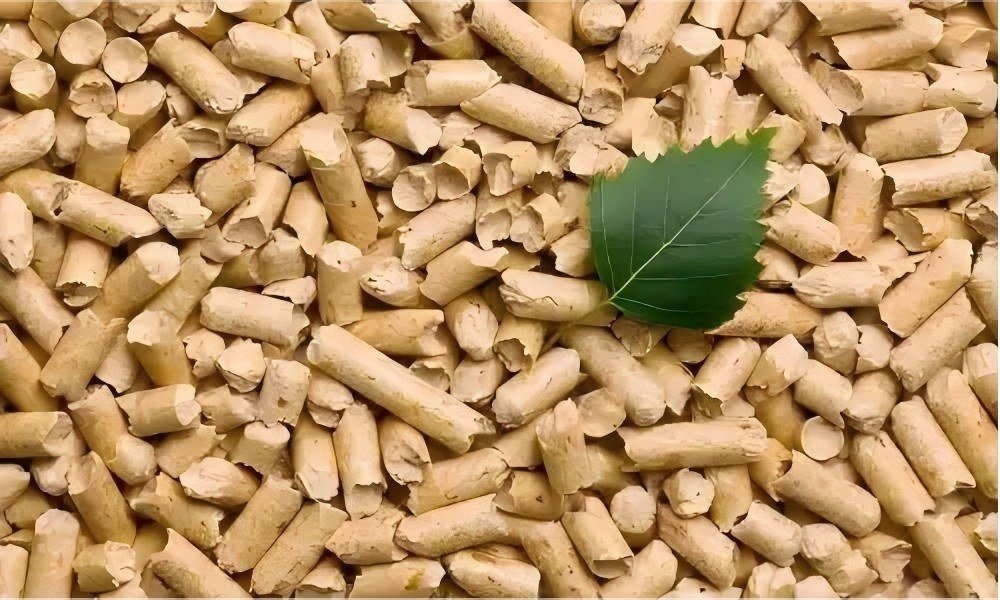
Agricultural waste pelletizing has become an essential part of modern biomass energy production. As global demand for renewable energy continues to rise, industries are increasingly relying on agricultural residues such as straw, rice husks, corn stalks, and other biomass materials to produce fuel pellets.
However, not all pellets are created equal. The quality of agricultural waste pellets directly affects combustion efficiency, transportation cost, storage stability, and market value. Poor-quality pellets may break easily, produce excessive ash, or burn inefficiently, reducing their usefulness in industrial and residential applications.
Improving pellet quality is therefore a key focus for biomass producers. From raw material selection to drying, crushing, and pelletizing, every step plays an important role. Equipment such as a straw pellet machine for sale is central to this process, but it must be properly operated and supported by optimized production techniques to achieve high-quality output.
This article explains how to improve agricultural waste pellet quality from a technical, operational, and industrial perspective.
1. Understanding What Defines Pellet Quality
Before improving pellet quality, it is important to understand what “high-quality biomass pellets” actually mean.
Key quality indicators include:
- Durability: resistance to breaking during handling
- Density: high bulk and energy density
- Moisture content: typically 8–12%
- Ash content: low mineral residue after combustion
- Calorific value: high energy output per unit weight
- Uniform size: consistent diameter and length
High-quality pellets burn efficiently, produce less smoke, and are easier to transport and store.
2. Selecting the Right Raw Materials
Raw material selection is the foundation of pellet quality.
Common agricultural residues include:
- Wheat straw
- Rice straw
- Corn stalks
- Rice husks
- Sugarcane bagasse
- Peanut shells
- Cotton stalks
Not all materials behave the same during pelletizing. For example:
- Straw is fibrous and easy to bind
- Rice husk is abrasive and high in ash
- Corn stalks have balanced lignin content
- Bagasse contains high moisture
Best practices for raw material selection:
- Use clean, uncontaminated biomass
- Avoid soil, stones, and plastic mixing
- Prefer high-lignin materials for better binding
- Mix different materials for balanced performance
Good raw material selection improves pellet strength and reduces machine wear in the straw pellet machine for sale.
3. Controlling Moisture Content
Moisture is one of the most critical factors affecting pellet quality.
Ideal moisture range:
- 8% to 15% depending on raw material type
Problems caused by incorrect moisture:
- Too high moisture → soft pellets, low density, mold risk
- Too low moisture → poor binding, cracked pellets
Solutions:
- Use rotary dryers or airflow dryers
- Monitor moisture continuously
- Adjust drying time based on raw material type
- Store materials in dry environments
Proper moisture control ensures smooth operation of the straw pellet machine for sale and improves pellet hardness and durability.
(Related machine: efficient corn stalk pellet machine)
4. Proper Crushing and Particle Size Control
Particle size has a direct impact on pellet formation.
Recommended particle size:
- Generally 3–5 mm for most agricultural waste
Why particle size matters:
- Too large → uneven compression, weak pellets
- Too fine → reduced airflow and poor binding
Equipment used:
- Hammer mills
- Straw crushers
- Fine grinders
Uniform particle size improves feeding stability and ensures consistent pellet formation in the straw pelletizing process.
5. Optimizing the Straw Pellet Machine for Sale
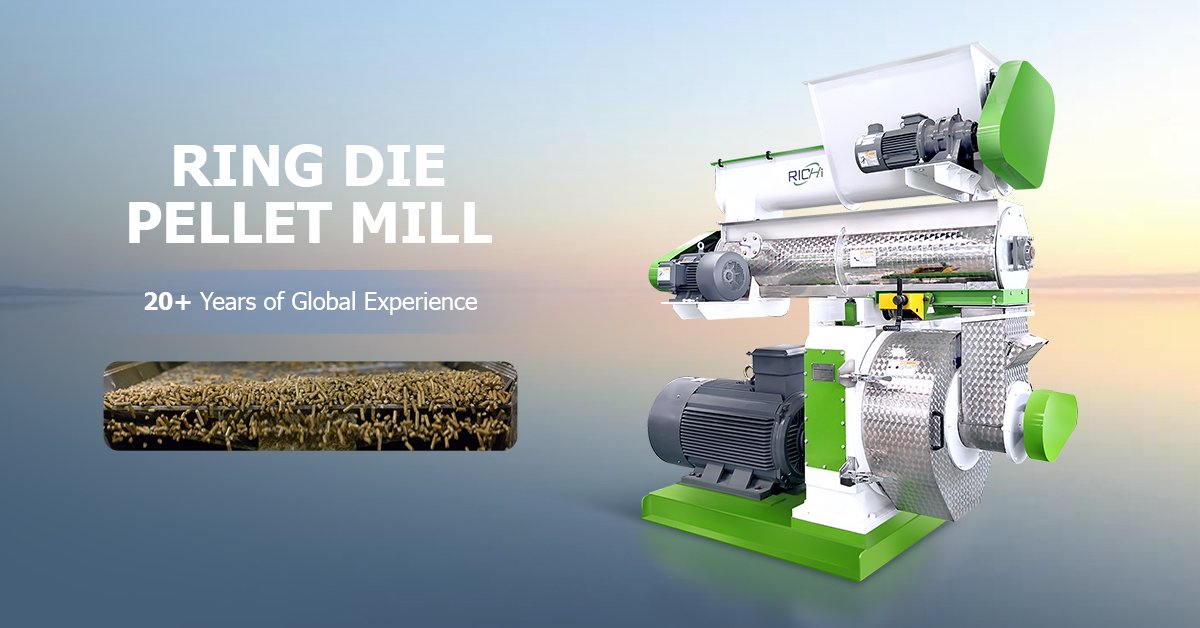
The pelletizing machine is the core of the production line. A properly adjusted straw pellet machine for sale can significantly improve output quality.
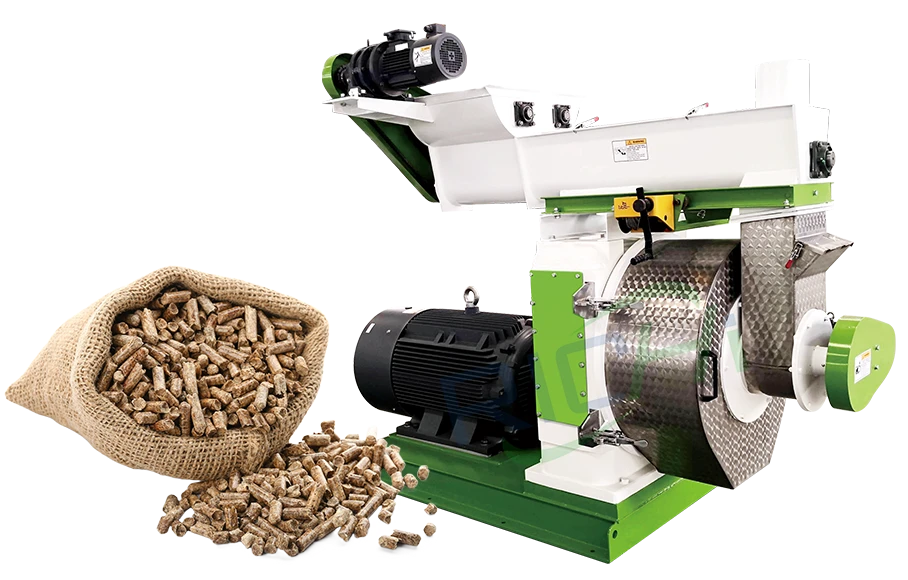
Key optimization factors:
5.1 Die and roller condition
- Ensure die holes are clean and smooth
- Replace worn rollers regularly
- Maintain proper compression ratio
5.2 Compression pressure
- Adjust pressure according to raw material type
- Higher pressure improves density but increases energy use
5.3 Temperature control
- Maintain moderate friction temperature
- Excessive heat can damage pellet structure
5.4 Feeding stability
- Ensure continuous and even feeding
- Avoid overloading or underfeeding
Proper machine calibration ensures uniform pellet formation and reduces breakage rates.
6. Using the Right Binder Content (Natural Lignin Activation)
Agricultural waste contains natural lignin, which acts as a binder when heated and compressed.
Ways to enhance binding:
- Maintain proper temperature during pelletizing
- Use materials with higher lignin content (e.g., straw, corn stalks)
- Avoid excessive moisture dilution
In some cases, small amounts of natural additives like starch or vegetable oil can improve pellet strength, but most high-quality systems rely on the straw pellet machine for sale to activate natural binding properties efficiently.
7. Improving Pretreatment Processes
Pretreatment is essential for producing high-quality pellets.
Key pretreatment steps:
7.1 Cleaning
Remove impurities such as stones, metal, and plastic.
7.2 Drying
Reduce moisture to optimal levels.
7.3 Grinding
Achieve uniform particle size.
7.4 Mixing
Blend different raw materials for balanced performance.
Well-prepared feedstock improves machine efficiency and pellet consistency.
8. Cooling and Hardening Process
Fresh pellets leaving the pellet mill are hot and soft. Proper cooling is necessary to stabilize their structure.
Cooling benefits:
- Increases hardness
- Reduces moisture
- Prevents cracking
- Improves storage stability
Cooling methods:
- Counterflow coolers
- Air cooling systems
Without proper cooling, even pellets produced by a high-quality straw pellet machine for sale may degrade quickly.
https://pelletisingmachine.com/straw-pellet-mill
9. Screening and Quality Control
After pellet production, screening ensures only high-quality pellets are packaged.
Screening process:
- Remove fines and dust
- Separate broken pellets
- Ensure uniform size distribution
Quality testing includes:
- Durability tests
- Moisture analysis
- Calorific value measurement
- Ash content testing
Strict quality control improves product competitiveness in global biomass markets.
10. Storage and Packaging Best Practices
Even high-quality pellets can degrade if improperly stored.
Storage recommendations:
- Keep in dry, ventilated warehouses
- Avoid direct contact with moisture
- Use sealed packaging for export
Packaging options:
- Plastic bags
- Bulk containers
- Industrial ton bags
Proper storage maintains pellet quality during transportation and long-term storage.
11. Common Problems and Solutions
Problem 1: Crumbling pellets
- Cause: low moisture or weak compression
- Solution: adjust moisture and die pressure
Problem 2: High ash content
- Cause: dirty raw materials
- Solution: improve cleaning process
Problem 3: Low density pellets
- Cause: insufficient compression
- Solution: optimize straw pellet machine for sale settings
Problem 4: Uneven pellet size
- Cause: inconsistent feeding
- Solution: stabilize input flow
12. Economic Benefits of High-Quality Pellets
Improving pellet quality has direct economic advantages:
- Higher market price
- Better export opportunities
- Lower transportation cost
- Reduced machine maintenance
- Increased customer satisfaction
High-quality pellets produced by an optimized straw pellet machine for sale are more competitive in international biomass energy markets. (informative post)
13. Future Trends in Pellet Quality Improvement
The biomass industry is continuously evolving, and pellet quality standards are becoming stricter.
Future trends include:
- AI-based process control systems
- Real-time moisture monitoring
- Automated pellet grading systems
- Advanced die material technology
- Fully integrated smart production lines
These innovations will further enhance pellet consistency and efficiency.
Conclusion
Improving agricultural waste pellet quality requires a comprehensive approach that includes raw material selection, moisture control, particle size optimization, machine adjustment, and strict quality management.
At the heart of the production process is equipment such as the straw pellet machine for sale, which plays a critical role in determining pellet density, durability, and overall performance.
By optimizing every stage of production, manufacturers can produce high-quality biomass pellets that meet international standards, improve energy efficiency, and maximize economic returns.
As global demand for renewable energy continues to grow, pellet quality will become even more important in determining market competitiveness and long-term success in the biomass industry.