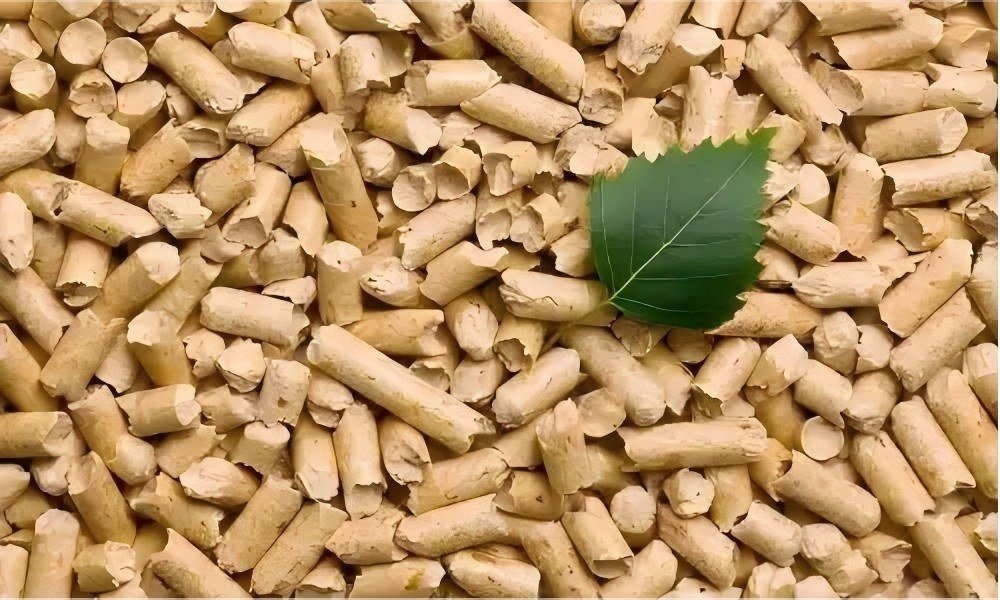



Across major agricultural economies, farmers are searching for new ways to increase profitability while reducing waste disposal problems. One of the fastest-growing opportunities involves converting crop residue into renewable biomass fuel.
Large volumes of wheat straw, rice straw, and corn stalks are generated every year after harvest seasons. Instead of burning or discarding these materials, modern biomass technologies now allow agricultural businesses to transform them into dense fuel pellets.
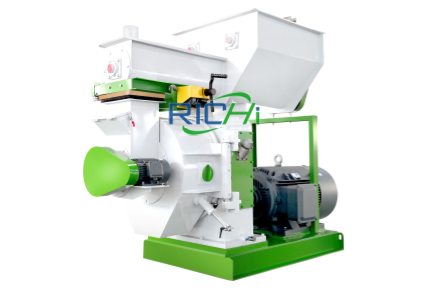
A growing number of renewable energy projects rely on the rice straw pellet making machine to process agricultural residue into commercial biomass products suitable for industrial heating systems and power generation.
Why Biomass Fuel Is Becoming More Important
Governments worldwide are strengthening renewable energy policies and introducing stricter environmental regulations.
Biomass fuel offers several advantages:
- Lower carbon emissions
- Reduced dependence on fossil fuels
- Improved agricultural waste utilization
- Local energy production
- New income opportunities for farmers
Many industrial users now prefer biomass fuel because it helps meet sustainability targets while lowering long-term energy risks.
Common Applications for Straw Pellets
Straw pellets are used in multiple industries.
Industrial Boilers
Factories use biomass pellets to replace coal and reduce emissions.
Biomass Power Plants
Pellets are burned to generate electricity and steam.
Animal Bedding
Compressed straw pellets absorb moisture efficiently.
Agricultural Fertilizer Products
Pelletized organic materials improve handling and storage.
Commercial Heating
Hotels, greenhouses, and industrial facilities increasingly adopt biomass heating systems.
Key Challenges in Straw Pellet Production
Agricultural residue processing requires specialized engineering.
Straw materials are lightweight, fibrous, and abrasive. Without proper equipment design, factories may experience:
- Feeding instability
- Excessive dust generation
- Die wear problems
- High energy consumption
- Inconsistent pellet density
For this reason, investors often choose a complete 3-4 T/H straw pellet production line solution designed specifically for agricultural biomass applications.
Essential Stages of Pellet Manufacturing
Straw Collection and Storage
Proper storage is essential to maintain stable moisture levels.
Crushing and Grinding
Large fibers are reduced into smaller particles.
Drying Process
Moisture optimization improves pellet strength and production efficiency.
Pellet Compression
Industrial-grade pellet mill systems apply pressure and heat to form dense biomass pellets.
Cooling and Packaging
Finished pellets are stabilized before storage and transportation.
Economic Benefits of Biomass Investments
Biomass processing plants create several financial advantages.
Additional Farm Revenue
Farmers can monetize agricultural residue that was previously discarded.
Reduced Waste Management Costs
Instead of paying for disposal, crop residue becomes a commercial product.
Energy Market Opportunities
Demand for renewable heating fuel continues growing worldwide.
Export Potential
Several countries import large quantities of biomass fuel pellets.
How Automation Improves Production Efficiency
Modern pellet factories rely heavily on automation.
Advanced systems help control:
- Material feeding
- Pellet temperature
- Production speed
- Equipment safety
- Dust collection
- Moisture management
Automation reduces labor requirements while improving product consistency.
Environmental Advantages of Straw Pellet Manufacturing
Reduced Air Pollution
Using agricultural residue for fuel reduces open-field burning.
Carbon Neutral Energy
Biomass fuel supports lower net greenhouse gas emissions.
Sustainable Resource Utilization
Pellet production encourages circular agricultural economies.
Rural Industrial Development
Biomass projects create employment opportunities in farming regions.
Growing Global Demand for Renewable Biomass
Several global trends continue driving biomass expansion:
- Rising fossil fuel costs
- Net-zero carbon targets
- Industrial sustainability goals
- Renewable energy incentives
- Energy diversification strategies
Countries with strong agricultural sectors are especially well-positioned to develop biomass industries.
Important Factors When Choosing Pellet Equipment
Investors should evaluate several technical considerations:
- Production capacity
- Energy efficiency
- Spare parts durability
- Automation systems
- Factory layout design
- Technical support availability
Reliable engineering support becomes especially important for large industrial projects.
Many project developers review technical case studies and customer experiences before selecting equipment suppliers. For additional biomass processing insights, go to website resources that focus on industrial pellet technology trends and renewable fuel engineering.
Future Outlook for Straw Biomass Processing
The biomass pellet industry is expected to expand significantly during the next decade.
Emerging technologies include:
- Smart factory monitoring
- AI-based maintenance systems
- Multi-feedstock pellet lines
- Energy-efficient drying systems
- High-density fuel optimization
These innovations will continue improving profitability and sustainability for biomass manufacturers.
(Related Post: https://www.richipelletmill.com/hay-pellet-machine-for-sale/)
Conclusion
Straw biomass processing is transforming how agricultural industries manage crop residue. Instead of treating straw as waste, modern pellet technologies create profitable renewable energy products with growing global demand.
As environmental regulations tighten and renewable energy markets expand, biomass fuel production will remain an important investment opportunity for agricultural businesses and industrial energy users.