





Is Biomass Fuel Processing a Profitable Business Today?
As the world accelerates the transition toward renewable energy and sustainable industrial development, biomass fuel processing has emerged as one of the fastest-growing sectors in the global energy market. Governments are introducing stricter carbon reduction policies, industries are searching for cleaner fuel alternatives, and agricultural regions are looking for better ways to utilize biomass waste. In this context, biomass fuel processing has become an increasingly attractive business opportunity.
Biomass fuel pellets are now widely used in industrial boilers, biomass power plants, district heating systems, food processing industries, textile factories, and even residential heating applications. Modern technologies such as the rice husk pellet mill and biomass pellet mill allow agricultural and forestry residues to be transformed into high-value renewable fuel products with strong market demand.
However, many investors still ask an important question: Is biomass fuel processing truly profitable today?
The answer depends on several factors, including raw material availability, production efficiency, energy demand, government support, and equipment quality. This article explains in detail the profitability of biomass fuel processing, the major market drivers, production economics, operational challenges, and the long-term outlook for the industry.
1. Understanding Biomass Fuel Processing
Biomass fuel processing refers to the conversion of organic biomass materials into renewable fuel products.
Common biomass raw materials include:
- Rice husks
- Sawdust
- Wood chips
- Corn stalks
- Wheat straw
- Peanut shells
- Bagasse
- Bamboo waste
These materials are processed into fuel pellets using equipment such as the biomass pellet mill.
The finished pellets are used as alternatives to fossil fuels like coal and oil.
2. Why Biomass Fuel Demand Is Growing Rapidly
The biomass energy industry is growing because of several major global trends:
- Climate change concerns
- Carbon reduction targets
- Rising fossil fuel costs
- Renewable energy policies
- Industrial demand for cleaner fuels
Many countries are reducing coal consumption and encouraging biomass fuel adoption through subsidies and environmental regulations.
This creates strong long-term market demand for biomass pellets.
3. The Global Shift Away from Coal
Coal has traditionally been one of the world’s primary industrial fuels, but it creates serious environmental problems:
- High carbon emissions
- Air pollution
- Sulfur dioxide release
- Environmental damage from mining
Biomass fuel pellets provide a cleaner and more sustainable alternative.
As industries seek lower-emission energy sources, biomass fuel demand continues increasing.
4. Biomass Fuel Processing as a Circular Economy Business
One of the biggest advantages of biomass fuel processing is that it converts waste into valuable products.
Agricultural and forestry residues that were once discarded can now become renewable energy resources.
This creates a circular economy model where:
- Waste becomes fuel
- Pollution is reduced
- Additional farmer income is created
- Rural industries develop
This sustainability aspect makes biomass fuel processing attractive to both investors and governments.
5. The Role of the Biomass Pellet Mill
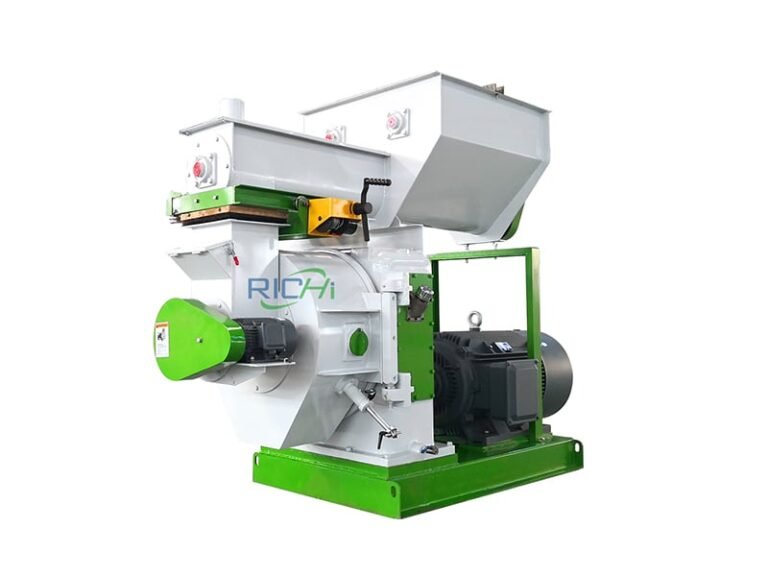
The biomass pellet mill is the core machine in biomass fuel production.
It compresses loose biomass materials into dense cylindrical pellets suitable for transportation, storage, and combustion.
https://pelletisingmachine.com/biomass-pellet-mill
5.1 How the Biomass Pellet Mill Works
- Raw materials are crushed and dried
- Biomass enters the pellet chamber
- Rollers press material through the die
- High pressure forms dense pellets
- Pellets are cooled and packaged
The biomass pellet mill determines:
- Pellet density
- Pellet durability
- Production efficiency
- Energy consumption
High-quality pellet mills are essential for profitable production.
6. Why Rice Husk Pellets Are Becoming Popular
Rice husks are one of the most abundant agricultural wastes in rice-producing countries.
Millions of tons are generated annually during rice milling.
Traditionally, rice husks were:
- Burned openly
- Disposed of as waste
- Left unused
Today, the rice husk pellet mill allows this waste to be converted into valuable renewable fuel pellets.
6.1 Advantages of Rice Husk Fuel Pellets
Rice husk pellets offer several benefits:
- Renewable energy source
- Lower fuel cost
- Abundant raw material supply
- Reduced agricultural waste pollution
Industries increasingly use rice husk pellets as alternatives to coal.
7. Revenue Opportunities in Biomass Fuel Processing
Biomass fuel processing can generate revenue through multiple channels:
7.1 Pellet Sales
The primary income source is selling biomass fuel pellets to:
- Factories
- Biomass power plants
- Industrial boilers
- Commercial heating systems
7.2 Carbon Reduction Incentives
Some countries provide carbon credits or renewable energy incentives for biomass projects.
7.3 Waste Management Services
Some companies earn income by processing agricultural waste for local industries and farms.
8. Why Profitability Depends on Raw Material Supply
Raw material cost is one of the largest factors affecting profitability.
The best biomass projects are located near abundant biomass sources such as:
- Rice-producing regions
- Forestry industries
- Agricultural processing zones
Transportation cost significantly affects overall profit margins.
9. Low-Cost Agricultural Waste Creates Strong Margins
Many biomass raw materials are inexpensive because they are agricultural by-products.
Examples include:
- Rice husks
- Corn stalks
- Wheat straw
- Peanut shells
When low-cost materials are processed efficiently through a biomass pellet mill, profit margins can become highly attractive.
10. Industrial Demand for Renewable Fuel
Industries are under increasing pressure to reduce emissions.
Many factories now replace coal with biomass pellets because:
- Environmental regulations are stricter
- Carbon taxes are increasing
- Biomass combustion produces lower emissions
This industrial demand creates stable pellet markets.
11. Government Policies Supporting Biomass Energy
Government support strongly influences profitability.
Common incentives include:
- Renewable energy subsidies
- Tax incentives
- Carbon reduction programs
- Green energy financing
Such policies lower investment risk and improve project returns.
12. Biomass Fuel Export Opportunities
International biomass pellet trade is growing rapidly.
Major importing regions include:
- Europe
- Japan
- South Korea
Export markets often pay premium prices for high-quality biomass pellets.
13. Automation Improves Profitability
Modern biomass plants use automation systems to improve efficiency.
Automated systems reduce:
- Labor costs
- Production errors
- Equipment downtime
Automation also improves pellet consistency and production stability.
14. Energy Efficiency in Pellet Production
Energy consumption directly affects profitability.
Modern biomass pellet mill systems improve efficiency through:
- High-efficiency motors
- Intelligent control systems
- Optimized compression technology
Lower energy use improves profit margins.
15. Importance of the Rice Husk Pellet Mill
The rice husk pellet mill is specially designed for processing abrasive agricultural materials with high silica content.
Rice husks are difficult to process because they:
- Wear down equipment quickly
- Have poor natural binding ability
- Contain high ash content
Advanced rice husk pellet mill systems improve:
- Compression efficiency
- Pellet durability
- Machine lifespan
This makes rice husk fuel production commercially viable.
16. Labor and Employment Benefits
Biomass fuel processing creates jobs in:
- Raw material collection
- Transportation
- Machine operation
- Maintenance
- Packaging and logistics
This contributes to rural economic development.
17. Environmental Benefits Increase Market Value
Many customers prefer biomass pellets because they support sustainability goals.
Environmental advantages include:
- Reduced carbon emissions
- Lower air pollution
- Agricultural waste utilization
- Reduced landfill pressure
Green energy demand improves long-term business prospects.
18. Challenges in Biomass Fuel Processing
Although profitable, the industry also faces challenges:
- Seasonal raw material supply
- Moisture variability
- Transportation logistics
- Equipment maintenance
- Market competition
Successful businesses manage these risks through planning and efficient operations.
19. Importance of Product Quality
High-quality pellets achieve better market prices.
Key quality indicators include:
- Pellet density
- Durability
- Moisture content
- Ash content
- Calorific value
Efficient biomass pellet mill operation is essential for maintaining quality standards.
20. Return on Investment (ROI)
The profitability of biomass fuel processing depends on:
- Production scale
- Raw material cost
- Market demand
- Equipment efficiency
- Government incentives
Well-managed biomass projects often recover investment costs within several years.
21. Future Growth of the Biomass Energy Industry
The biomass energy sector is expected to continue growing due to:
- Increasing renewable energy demand
- Global carbon reduction goals
- Industrial fuel transition
- Technological improvements
This creates strong long-term business opportunities.
22. Technological Advancements in Biomass Processing
Future innovations include:
- AI-based production optimization
- Smart moisture control
- Advanced pellet die materials
- Fully automated pellet plants
These technologies will further improve production efficiency and profitability.
23. Why Biomass Fuel Processing Is Attractive Today
Several factors make biomass fuel processing highly attractive today:
Strong Global Demand
Renewable fuel demand continues increasing worldwide.
Abundant Raw Materials
Agricultural waste is widely available in many regions.
Government Support
Policies increasingly favor renewable energy.
Environmental Pressure
Industries need cleaner fuel alternatives.
Technological Improvements
Modern biomass pellet mill systems are more efficient and reliable than ever before.
Conclusion
Biomass fuel processing has become one of the most promising renewable energy businesses in today’s global market. Driven by increasing demand for clean energy, rising environmental regulations, and growing industrial fuel transition, biomass pellets are rapidly replacing fossil fuels in many sectors.
Technologies such as the rice husk pellet mill and biomass pellet mill make it possible to convert low-cost agricultural waste into valuable renewable fuel products with strong market demand and attractive long-term profitability.
While challenges such as raw material management and operational efficiency remain important, the overall outlook for biomass fuel processing is highly positive. For investors, agricultural companies, and renewable energy entrepreneurs, biomass fuel processing represents a sustainable and potentially highly profitable business opportunity in the modern energy economy.